

Poor lighting layouts create glare, visual fatigue, and awkward shadows that ruin both aesthetics and productivity. Ignore this problem, and spaces feel outdated and inefficient. Linear lighting solves it with clean lines, uniform illumination, and modern flexibility.
Linear lighting delivers smooth, continuous illumination instead of isolated points of light, making it ideal for modern architectural and commercial spaces. By spreading light evenly along its length, it eliminates harsh contrasts, reduces glare, and improves visual comfort. With flexible sizes, multiple installation options, and advanced LED technology, linear lighting meets today’s demands for performance, efficiency, and clean design. It’s not just about aesthetics—it’s a smarter lighting solution that enhances functionality, saves energy, and supports long-term reliability across residential, commercial, and industrial applications.
Let me walk you through what linear lighting really is, why it exists, and how to choose the right solution for your project.
Table of Contents
What Does Linear Mean in Lighting?
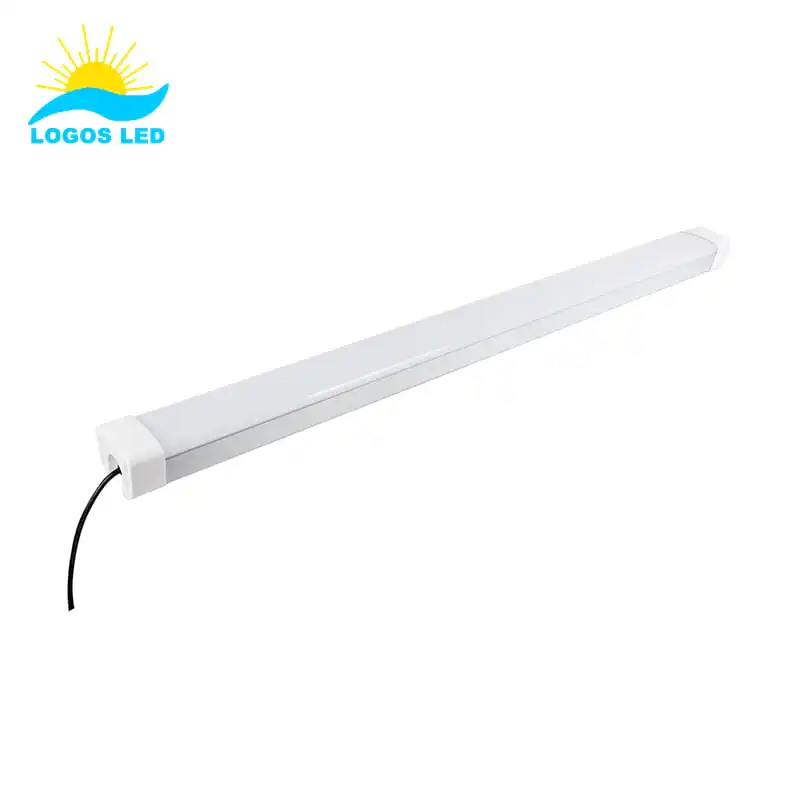
When I talk about “linear” lighting, I’m talking about fixtures that deliver light in a straight, continuous line—not a single point like a bulb or downlight. Instead of a round beam, linear lights spread illumination evenly along their entire length. That gives me much better control over brightness, direction, and uniformity, which is exactly what modern spaces demand.
Linear light fixtures come in a wide range of sizes. Some are compact at around 300 mm, while others run several meters long and can be linked together for seamless, continuous lines of light. This flexibility is a huge advantage, especially in modern architecture where clean lines and uninterrupted visual flow really matter.
From a design angle, linear lighting integrates cleanly into ceilings and walls, delivering a sleek, minimal look. From a performance standpoint, it provides smooth, consistent illumination that cuts down on shadows and glare—something my clients immediately notice once it’s installed.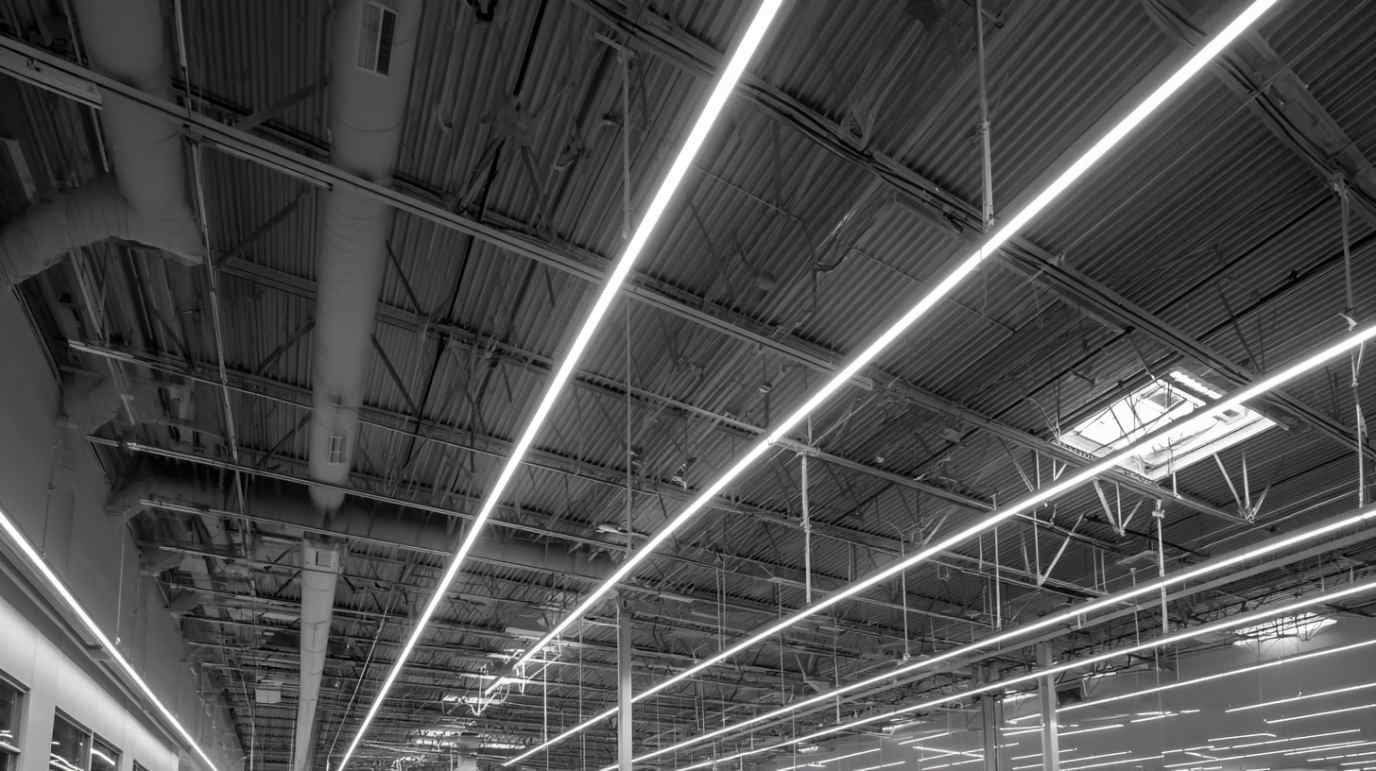
What Does Linear Light Do?
In real-world projects, I use linear lighting for one main reason: it delivers smooth, balanced illumination across an entire surface or space. Its job is to eliminate uneven brightness and harsh contrasts—the exact problems you get with traditional point-source lighting.
By spreading light evenly, linear LED ceiling systems improve visual comfort and significantly reduce eye strain. That’s critical in offices, classrooms, retail environments, and production facilities where people work under artificial light for hours every day.
But linear lighting does more than just light a space. It helps define it. I use linear fixtures to guide movement through corridors, highlight architectural lines, and visually separate different functional zones. In retail and hospitality, smart linear light design directly influences mood, flow, and the overall customer experience.
Why It Exists?
Linear lighting exists because old-school lighting simply couldn’t keep up with modern design and performance demands. Point-source fixtures create hot spots, uneven light distribution, and force you to install too many fixtures just to get acceptable coverage.
Architects and engineers needed a better solution—one that delivers:
– Uniform, consistent illumination
– Fewer fixtures with higher efficiency
– Clean, seamless integration into modern building designs
Linear lighting checked every box. And once LED technology matured, linear fixtures became even more powerful—more efficient, longer-lasting, and highly customizable. Today, when performance, aesthetics, and energy efficiency all matter, linear lighting is the go-to solution.
How Is Linear Lighting Different from Traditional Lighting?
Traditional lighting is built around individual fixtures—bulbs, downlights, high bays—each lighting a small area. I’ve seen this setup over and over again, and the result is usually the same: you need a lot of fixtures just to reach acceptable brightness, and even then, the light distribution is often uneven.
Linear lighting flips that model. Instead of scattered points of light, it delivers a continuous line of illumination. That means fewer fixtures, better uniformity, and a much cleaner result. Shadows are reduced, glare is easier to manage, and from a maintenance standpoint, life gets a whole lot simpler.
Integration is another major advantage. Linear LED ceiling systems can be recessed, surface-mounted, or suspended, giving designers and engineers real flexibility to align lighting with the architecture. Traditional fixtures rarely offer that level of control or design freedom—and that’s exactly why linear lighting has become the preferred choice in modern projects.
What Types of Linear Lighting Are There?
From real-world projects, I can tell you this: linear lighting isn’t one-size-fits-all. It comes in different configurations depending on how the space is built and how the light needs to perform.
Recessed linear lights are installed directly into ceilings or walls, giving you that clean, seamless look architects love. Surface-mounted linear fixtures attach straight onto the ceiling or structure, making them a practical choice for industrial spaces or retrofit jobs where cutting into the ceiling isn’t ideal. Suspended systems—what many people call linear hanging lights—are a go-to for offices and commercial spaces with high or exposed ceilings, where lighting also plays a visual role.
Different formats, different uses—but the same payoff every time: smooth, consistent, professional-grade illumination that just works.
What Technology Is Used in Linear Lighting?
Let me cut straight to the point.
Modern linear lighting is powered almost entirely by LED technology—and for good reason. LEDs deliver high luminous efficacy, an incredibly long lifespan, and precise control over how light looks and behaves. That’s the foundation. Everything else builds on top of it.
Behind the scenes, advanced LED drivers do the heavy lifting. They regulate current with precision and unlock features like smooth dimming, tunable white, and smart lighting integration. No flicker. No instability. Just consistent, reliable performance.
Then there’s the optics. Lenses and diffusers shape and soften the light, reducing glare while maintaining visual comfort. This is where good linear lighting stops being “bright” and starts being pleasant to work under.
At Logos Lighting, I don’t gamble with components. We use premium LED chips and high-quality drivers to ensure stable output and long service life—especially in demanding commercial and industrial environments where failure is not an option.
In short: great linear lighting isn’t about a single part. It’s about how every piece works together. And that’s exactly how we design it.
Key Characteristics of Linear Lighting
Let me walk you through why linear lighting has become the go-to solution for modern commercial and architectural spaces—and why it works so well.
Continuous and Uniform Light Output
One of the biggest advantages is consistency. Linear lighting delivers smooth, even illumination with no dark spots and no harsh brightness jumps. That uniformity improves visual clarity, reduces eye strain, and makes spaces feel calmer and more professional.
Slim and Elongated Form Factor
Linear fixtures are designed to stay out of the way visually. Their slim, elongated profile blends seamlessly into modern interiors, while flexible length options make it easy to match the fixture to the room’s proportions—no awkward sizing, no visual clutter.
High Design Flexibility
This is where linear lighting really shines. I can run it straight, angle it, curve it, or create continuous lines that guide the eye through a space. Designers love it because it supports creativity without fighting the architecture.
Versatile Installation Methods
Whether the project calls for recessed, surface-mounted, or suspended fixtures, linear lighting adapts easily. It works across different ceiling types and construction conditions without forcing compromises.
Strong Architectural Aesthetic
Good linear lighting doesn’t compete with the space—it enhances it. It emphasizes geometry, defines zones, and highlights architectural features while keeping the overall look clean and intentional.
Energy Efficiency and LED Integration
Because linear lighting is LED-based, it delivers high lumen output with significantly lower power consumption. That translates directly into lower energy bills and reduced long-term operating costs.
Scalability for Large Spaces
From offices to warehouses to public facilities, linear systems scale effortlessly. You can cover large areas with consistent performance and lighting quality—no drop-offs, no patchwork results.
Compatibility with Smart Lighting Controls
Modern linear fixtures integrate seamlessly with dimming systems, sensors, and building management platforms. That means better control, smarter energy use, and lighting that responds to how the space is actually used.
Bottom line? Linear lighting isn’t just a fixture choice—it’s a strategic lighting solution. And when it’s designed correctly, it makes everything else in the space work better.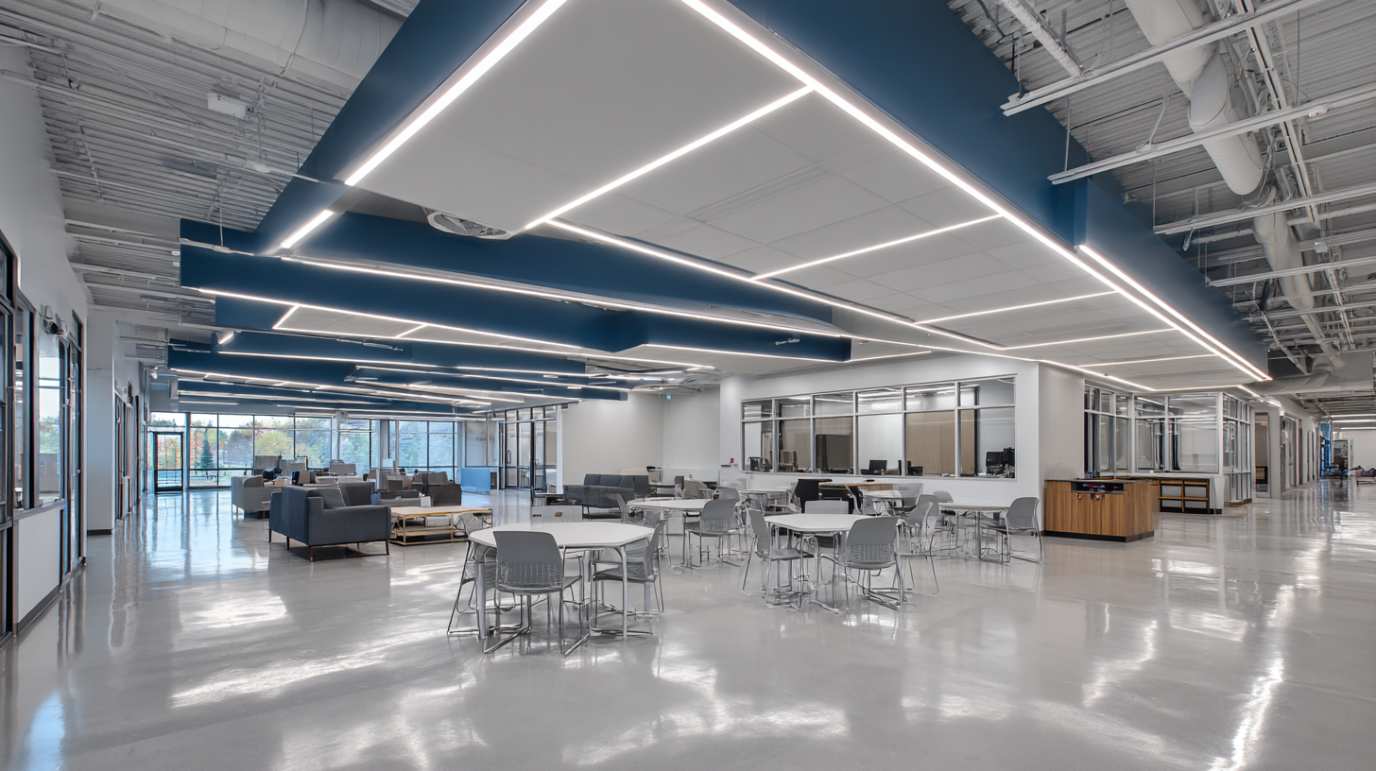
How Do You Choose the Right Linear Light?
Choosing the right linear lighting starts with understanding application needs. Consider ceiling height, required illumination levels, and visual comfort.
Pay attention to linear light size and lumen output. Larger spaces need higher lumen packages and wider beam angles. Offices benefit from glare-controlled optics and neutral color temperatures.
Budget is also a factor. Linear light price varies based on materials, drivers, customization, and certification requirements. Investing in quality components ensures longer lifespan and better performance.
Where Are Linear Lights Commonly Used?
Here’s where I see linear lighting delivering the most value—and why it keeps showing up in more projects every year.
Residential
In homes, linear lighting shines in kitchens, living rooms, corridors, and staircases. I like it because it creates clean visual lines while dramatically improving task lighting. Instead of scattered fixtures, you get intentional illumination that feels modern and effortless.
Commercial
Offices, retail stores, and educational facilities lean heavily on linear LED light ceiling systems—and for good reason. They deliver uniform illumination, reduce visual fatigue, and instantly upgrade the look of a space. When consistency and professionalism matter, linear lighting just works.
Hospitality
Hotels and restaurants use linear lighting to control mood and movement. I’ve seen it define pathways, frame architectural elements, and subtly guide guests—all while keeping energy consumption low. It’s functional lighting that also tells a visual story.
Industrial and Public Spaces
Factories, warehouses, airports, and transit stations demand lighting that performs without excuses. Linear lighting delivers high output, durability, and reliability over large areas. When uptime, visibility, and efficiency matter most, this is the solution people trust.
Bottom line? If a space needs clean design, consistent light, and long-term performance, linear lighting usually ends up being the smartest choice.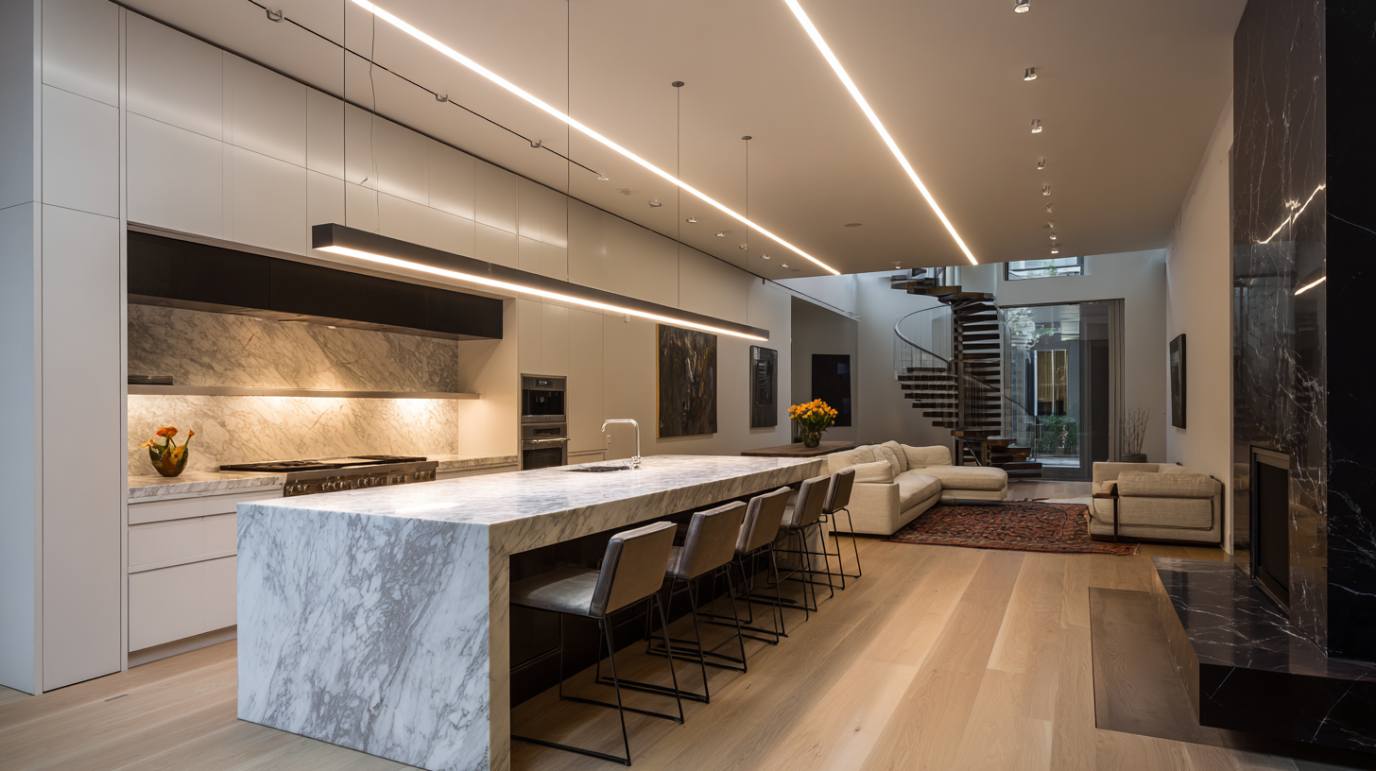
What Are the Benefits of Linear Lighting?
When clients ask me why linear lighting keeps replacing traditional fixtures, I usually break it down into three practical advantages.
Aesthetics
Linear lighting fits perfectly with modern architecture. I like it because it delivers clean, uninterrupted lines without visual clutter. Instead of seeing the fixture, you experience the space—and that’s exactly what good lighting should do.
Efficiency
LED-based linear systems are built for performance. They consume less power, generate less heat, and last far longer than conventional options. From my experience, that means lower energy bills, fewer replacements, and less maintenance downtime over the life of the project.
Customization
This is where linear lighting really shines. Length, color temperature, beam control, and lighting controls can all be tailored to match the exact needs of a project. I don’t have to force the space to fit the light—the light is designed to fit the space.
Common Problems and Solutions
One issue I see far too often is glare, usually caused by cheap diffusers or poorly designed optics. When you choose fixtures with proper optical control, this problem disappears—and visual comfort improves immediately.
Another common problem is uneven brightness in long linear runs. This almost always comes down to low-quality drivers or improper power planning. Using high-quality drivers and installing the system correctly prevents voltage drop and keeps light output consistent from end to end.
Finally, poor installation can ruin both appearance and performance. I’ve learned that even the best fixture fails if it’s installed wrong. That’s why working with experienced manufacturers and professional installers is the fastest way to get clean lines, stable performance, and results that last.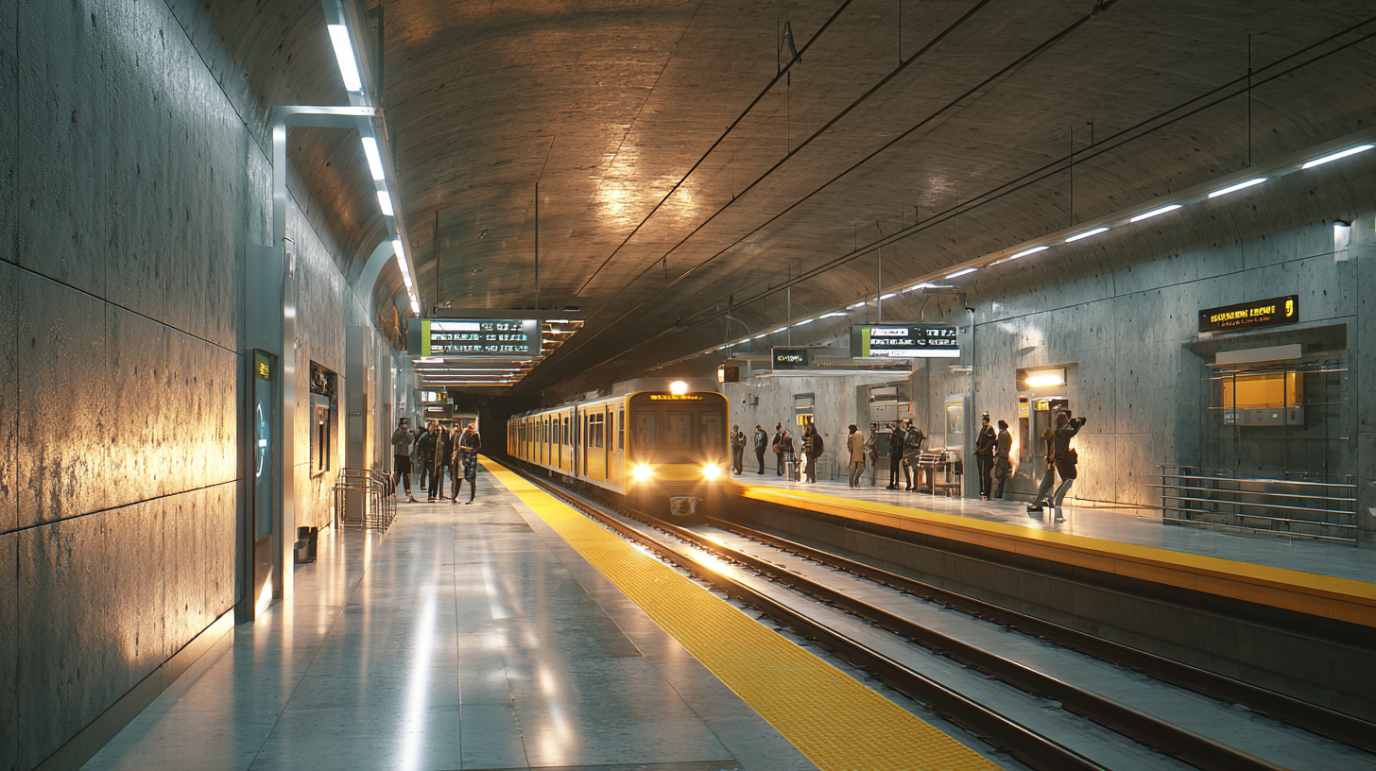
Conclusions
Linear lighting is more than a design trend. It is a practical, efficient, and visually refined lighting solution for modern spaces. With flexible installation options, strong architectural appeal, and superior illumination quality, linear lighting continues to replace traditional fixtures across residential, commercial, and industrial projects.
If you’re planning a project or need customized linear lighting solutions, contact Logos Lighting today. I’m always ready to help you choose the right products for your application.
Featured Products

Request A Free Quote Now!
Send us a message if you have any questions or request a quote. We will get back to you ASAP!


Leave a Reply
Your email is safe with us.