

Power failures don’t announce themselves. When lighting suddenly goes dark, confusion, accidents, and costly downtime follow fast. Standby emergency lighting exists to keep operations safe, controlled, and productive when normal power fails.
Standby emergency lighting is a safety-critical system designed to keep people and operations under control when normal power fails. From my experience, it’s not about evacuation—it’s about maintaining near-normal lighting so hazardous tasks can be safely paused or shut down without panic. In factories, control rooms, labs, and data centers, sudden darkness is a real risk. Proper standby lighting protects workers, equipment, and compliance by delivering reliable illumination exactly when everything else stops working.
If you operate industrial facilities, commercial buildings, or infrastructure projects, understanding standby emergency lighting is not optional—it’s essential.
Let’s break it down clearly and practically.
Table of Contents
What Is Standby Emergency Lighting?
When I talk about standby emergency lighting, I’m referring to a dedicated lighting system that kicks in automatically the moment normal power fails. Its job is simple but critical: provide enough light so people can safely keep working or shut down operations the right way—without panic or guesswork.
Here’s the key distinction I always make. Standby emergency lighting isn’t about getting people out of the building. It’s about keeping lighting levels close to normal operation so hazardous tasks, sensitive processes, or critical systems can be paused or completed safely instead of being abandoned in the dark.
Typical applications include factories, control rooms, laboratories, data centers, and industrial plants—anywhere sudden darkness creates real risk. In these spaces, machines may still be running, materials may be moving, and processes often require a controlled shutdown. Standby lighting gives teams the visibility they need to stay in control.
From a technical standpoint, standby emergency lighting systems are usually powered by batteries, central battery systems, or generator-backed supplies. Depending on the design, they can be maintained systems—always on and staying lit during a power failure—or non-maintained systems that switch on only when power is lost.
In many regions, including the EU, standby emergency lighting falls under broader emergency lighting regulations with defined performance requirements. In practice, that means this isn’t optional lighting—it’s a safety system that must work reliably when everything else stops.
Why Is Standby Emergency Lighting Important?
I’ll put it bluntly: standby emergency lighting exists because safety doesn’t disappear just because the power does.
In many workplaces, darkness creates instant danger. Moving machinery, elevated platforms, chemical processes, and live electrical systems don’t magically stop when the lights go out. Standby emergency lighting makes sure that when normal lighting fails, people aren’t suddenly forced to work blind in high-risk conditions.
Just as important, standby lighting protects your assets. I’ve seen power failures lead to damaged equipment, production downtime, and compliance issues—not because of the outage itself, but because there was no proper lighting during the shutdown. A well-designed standby system dramatically reduces those risks.
Let’s break down the two reasons that matter most.
Safely Interrupting Potentially Dangerous Activities
In industrial and technical environments, losing light without warning can be disastrous. Operators may need to shut down machinery, isolate energy sources, or stabilize materials immediately. Without proper illumination, those steps turn into guesswork—and that’s where accidents happen.
Standby emergency lighting delivers enough light to clearly see control panels, walkways, and critical equipment. That visibility allows people to stop dangerous activities safely instead of reacting blindly. In real-world terms, this is often the difference between a controlled shutdown and a serious injury or equipment failure.
That’s why standby lighting is frequently mandatory in facilities with heavy machinery or complex processes.
Ensuring the Same Lighting Conditions in an Emergency
The second big advantage is consistency. Basic emergency lights give you just enough light to see where you’re going. Standby emergency lighting goes much further—it aims to keep illumination levels close to normal operation.
That consistency reduces panic, confusion, and costly mistakes. People stay oriented. Procedures are followed correctly. Work can be completed calmly instead of rushed under stress.
In many regulated environments, maintaining near-normal lighting during a power failure isn’t optional. It’s a legal requirement—and one that’s easy to meet when the right standby emergency lighting system is in place.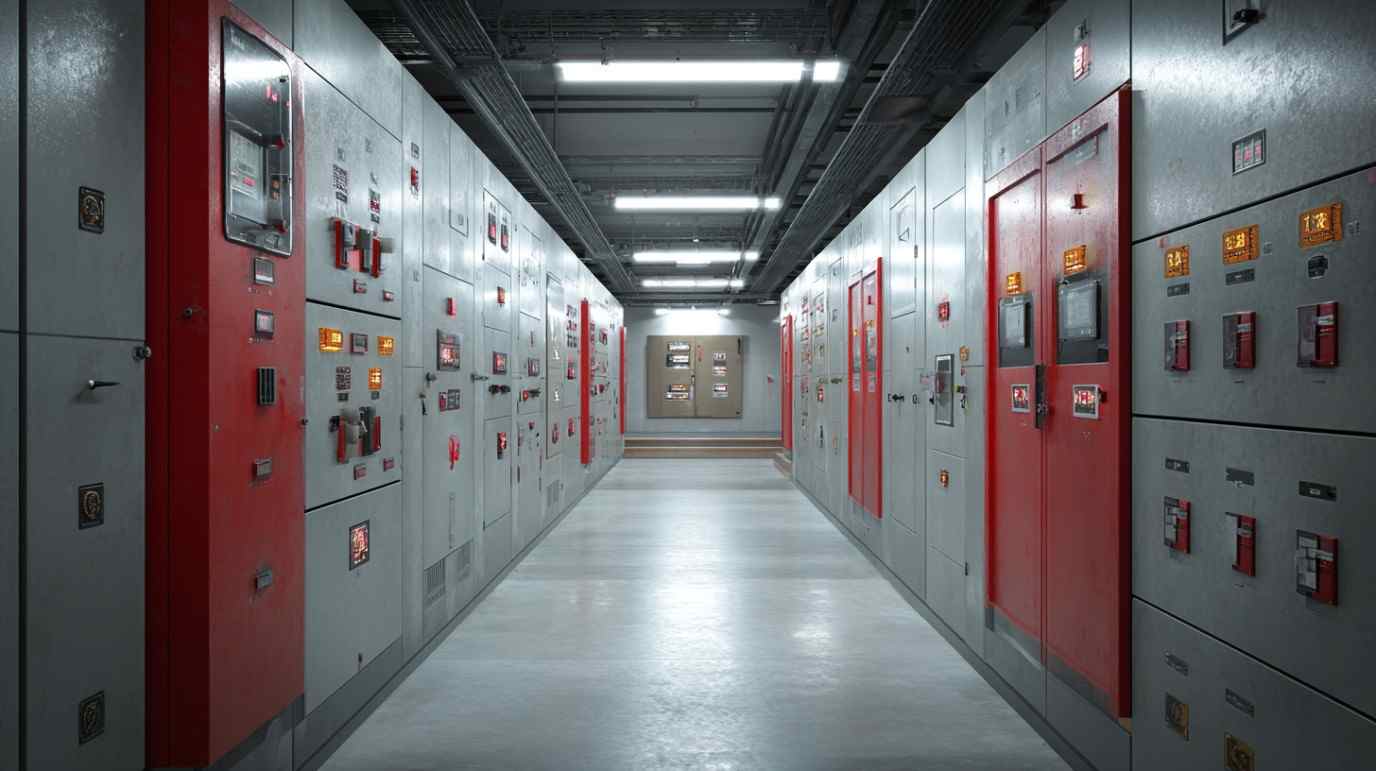
Key Standards and Directives for Standby Emergency Lighting
Standby emergency lighting isn’t something you design based on opinion—it’s driven by standards. And in Europe especially, those standards are very clear.
Under EU standby and emergency lighting requirements, systems must meet defined criteria for illumination levels, operating duration, reliability, and ongoing maintenance. In practice, this usually means complying with standards like EN 1838 and EN 50172, which spell out exactly how emergency and standby lighting systems are expected to perform.
I’m also seeing more projects adopt what’s often called the Single Lighting Regulation approach. The idea is simple: design one integrated lighting system that covers normal operation, emergency lighting, and standby lighting together. Done right, this makes compliance easier and the overall system far more reliable.
In certain applications, standby emergency lighting is classified as maintained type emergency lighting—meaning the lights stay on at all times and continue operating during a power failure. This is common in control rooms, production areas, and other sensitive environments where darkness is not an option.
Here’s the reality: compliance is not optional. Miss the standard, and you’re exposed to fines, forced shutdowns, or serious liability if an incident occurs. That’s why I always push for proper lighting design and certified components. Cutting corners here isn’t cheaper—it’s risky.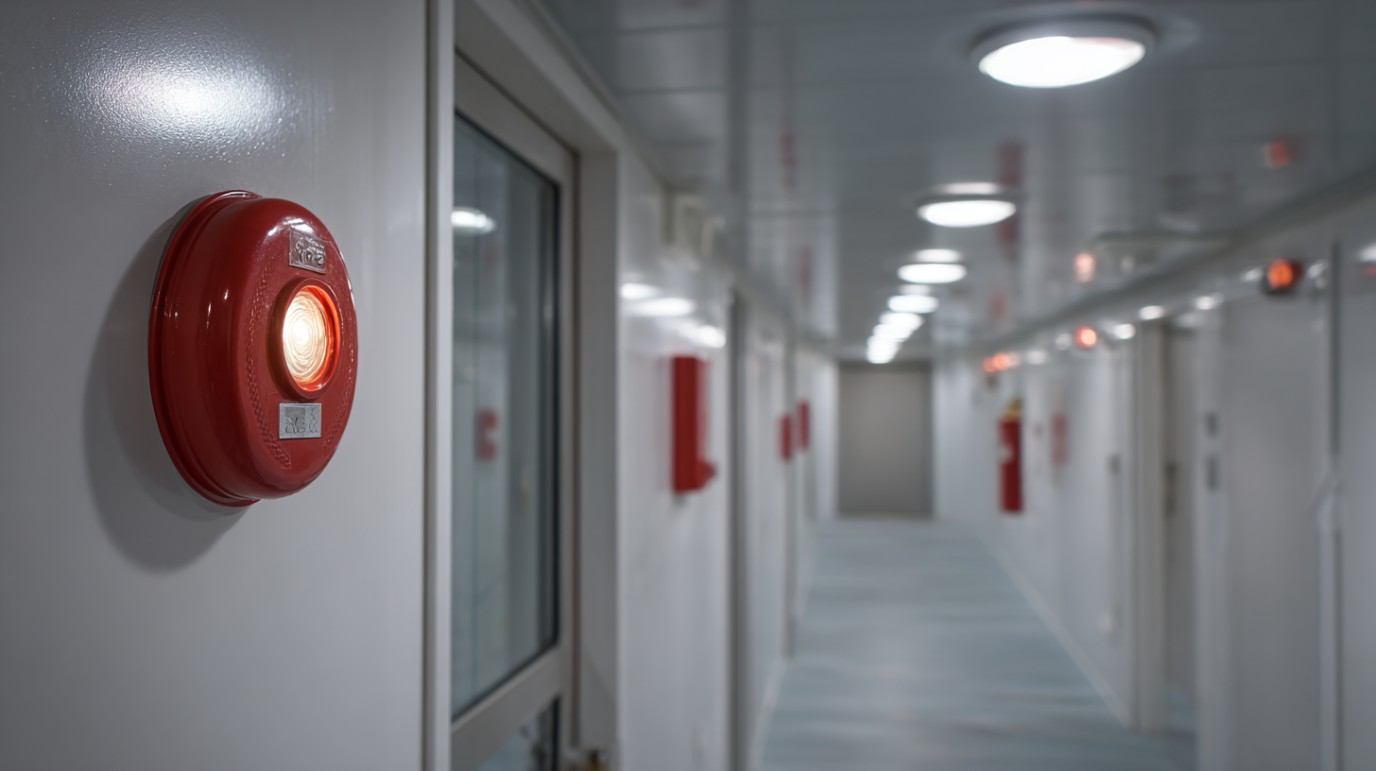
Illumination Levels and Duration for Standby Emergency Lighting
Standby emergency lighting plays by very different rules than basic escape lighting. The goal isn’t just visibility—it’s safe operation. When the power fails, the lighting must be strong enough to let people keep working or shut things down safely.
Illumination levels depend entirely on the task and the environment. In many real-world applications, standards require lighting levels that are close to normal operating conditions. This is especially true in control rooms, process areas, and technical spaces where precision matters and mistakes carry serious consequences.
Runtime is just as important as brightness. Standby emergency lighting has to stay on long enough for operators to interrupt or complete critical tasks safely. In most projects, that means a minimum of one to three hours, but higher-risk environments often require longer durations based on formal risk assessments.
This is where emergency lighting batteries either prove their value—or fail. Battery capacity, charging stability, and temperature resistance all impact real performance during a power outage. I’ve seen low-quality batteries pass spec sheets and still collapse under real emergency conditions.
That’s why I don’t compromise here. Reliable standby lighting starts with high-quality battery systems and drivers from reputable manufacturers. When power fails, that’s not the moment to discover where corners were cut.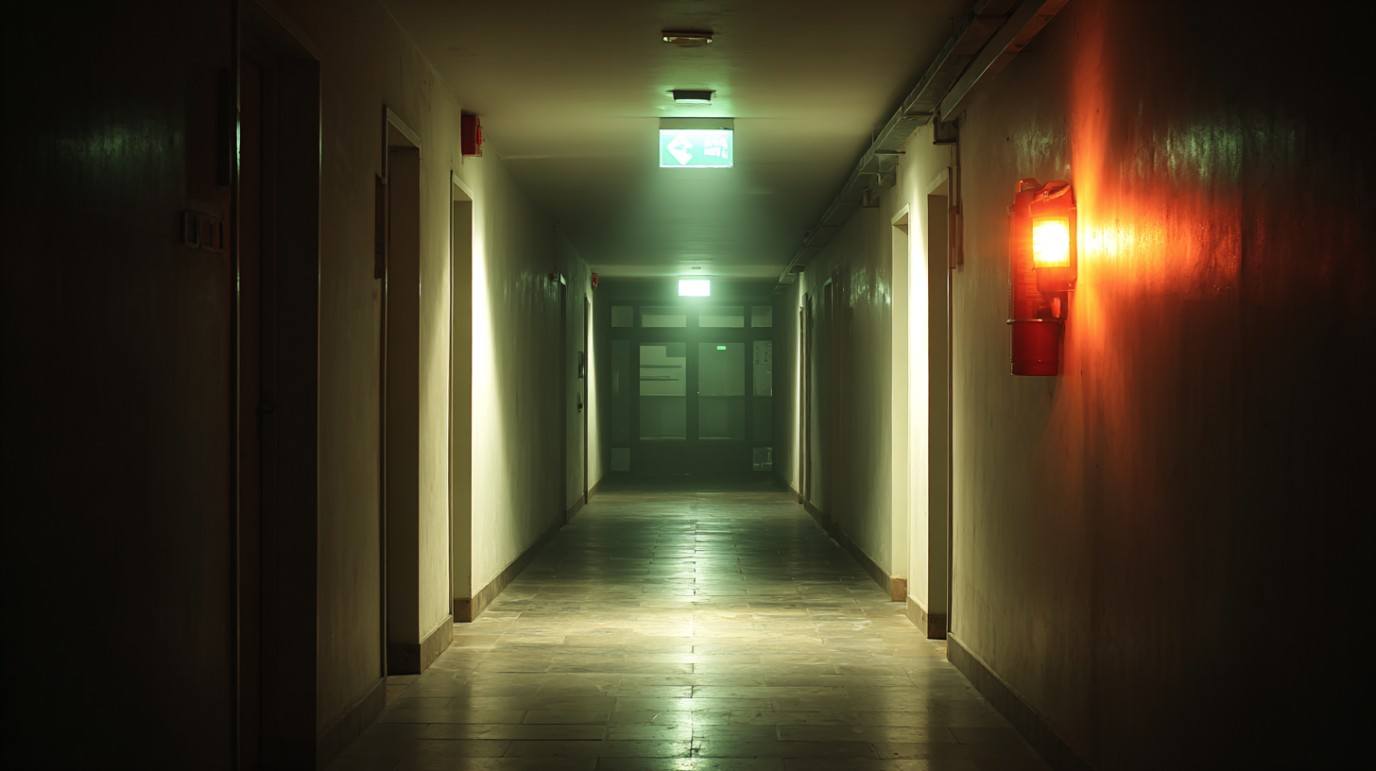
Testing and Maintenance for Standby Emergency Lighting
Standby emergency lighting only has one job: work when everything else fails. If it doesn’t, the system is useless—and potentially dangerous. That’s why regular testing and maintenance aren’t optional. In most regions, they’re legally required.
Routine inspections verify that luminaires, batteries, drivers, charging circuits, and control gear are actually doing what they’re supposed to do. I strongly recommend automatic self-test systems whenever possible. They reduce human error, cut labor time, and flag problems before they turn into failures.
Most maintenance programs include monthly functional tests and an annual full-duration test. If something fails, it gets fixed immediately—no delays, no excuses. Compliance and safety depend on it.
In real audits, the same issues show up again and again: degraded batteries, loose wiring, and faults no one noticed because nobody checked. These failures aren’t bad luck—they’re the result of neglect.
A properly maintained standby emergency lighting system isn’t a cost. It’s insurance against downtime, injuries, and regulatory trouble—and it pays for itself the moment it’s needed.
Types of Standby Emergency Lighting
In real projects, I don’t treat standby emergency lighting as a one-size-fits-all solution. The right setup depends on building size, risk exposure, and how critical it is for operations to continue safely during a power failure.
Most systems fall into three categories. You’ve got self-contained luminaires with built-in emergency batteries, centrally supplied systems powered by a central battery or generator, and hybrid solutions that combine both. Each approach has its place depending on scale, redundancy needs, and maintenance strategy.
For standby applications, I often recommend maintained type emergency lighting. These systems keep the lights on at all times, so there’s no delay or visual disruption when power fails. When safety and continuity matter, that instant transition makes a real difference.
Today, LED technology dominates standby emergency lighting—and for good reason. LEDs deliver high efficiency, stable output, and long service life. When you pair quality LED luminaires with reliable drivers and batteries, you get predictable performance, fewer failures, and lower lifetime maintenance costs. That’s the smart way to design standby lighting.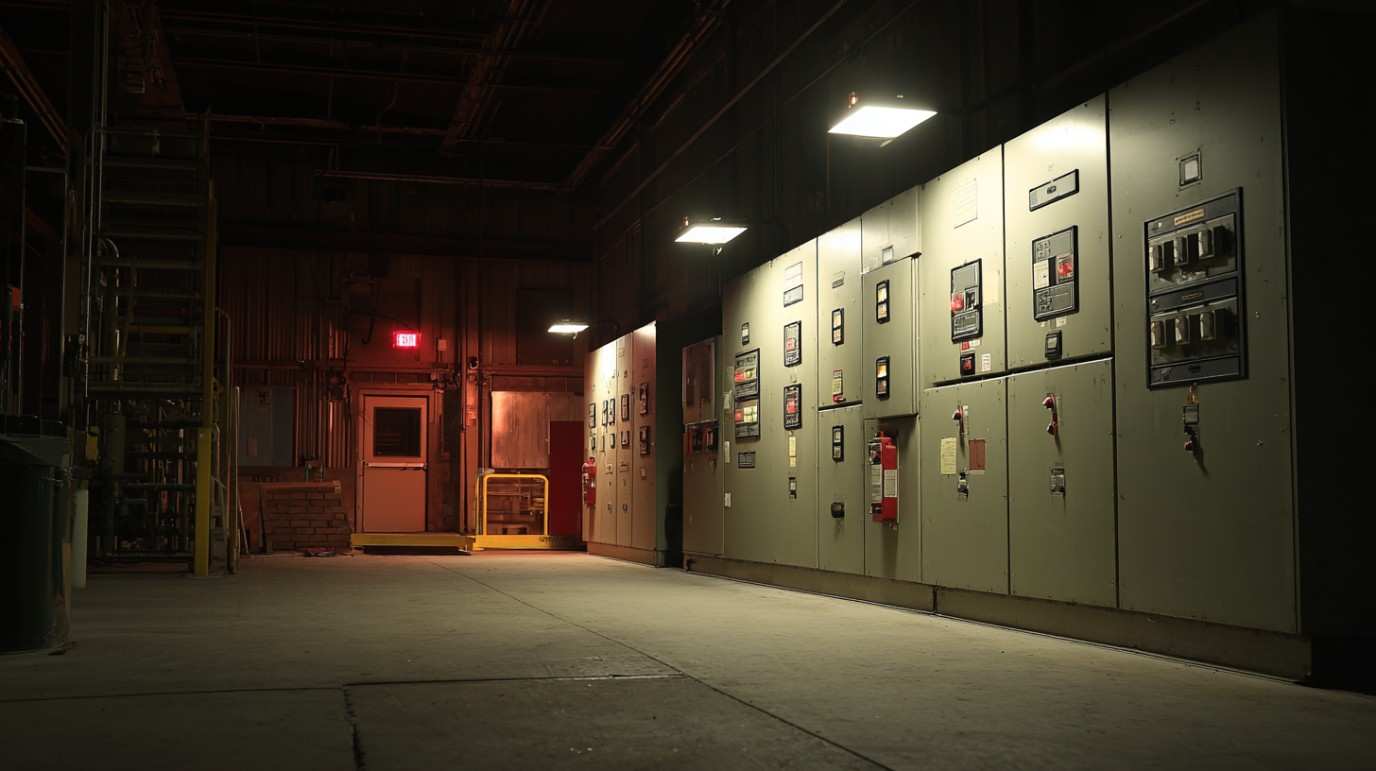
Standby vs. Escape Lighting
This is a distinction I always make crystal clear—because mixing these two up causes real problems on real projects.
Escape lighting exists for one job only: getting people out safely. It focuses on exit routes, exit signs, and minimum illumination levels that prevent panic and injuries during evacuation. It’s not about working—it’s about leaving.
Standby emergency lighting is a completely different tool. Its job is to keep operations safe long enough to continue critical tasks or shut them down properly. It’s task-driven, not evacuation-driven, and it’s designed to support people who must stay rather than exit immediately.
In many facilities, you need both—and for good reason. They serve different purposes and are governed by different requirements. I’ve seen inspections fail and risks increase simply because designers treated them as the same system.
A professional lighting design draws a hard line between where standby lighting is mandatory, where escape lighting is enough, and how both systems work together without overlap or gaps. That clarity is what keeps people safe—and keeps projects compliant.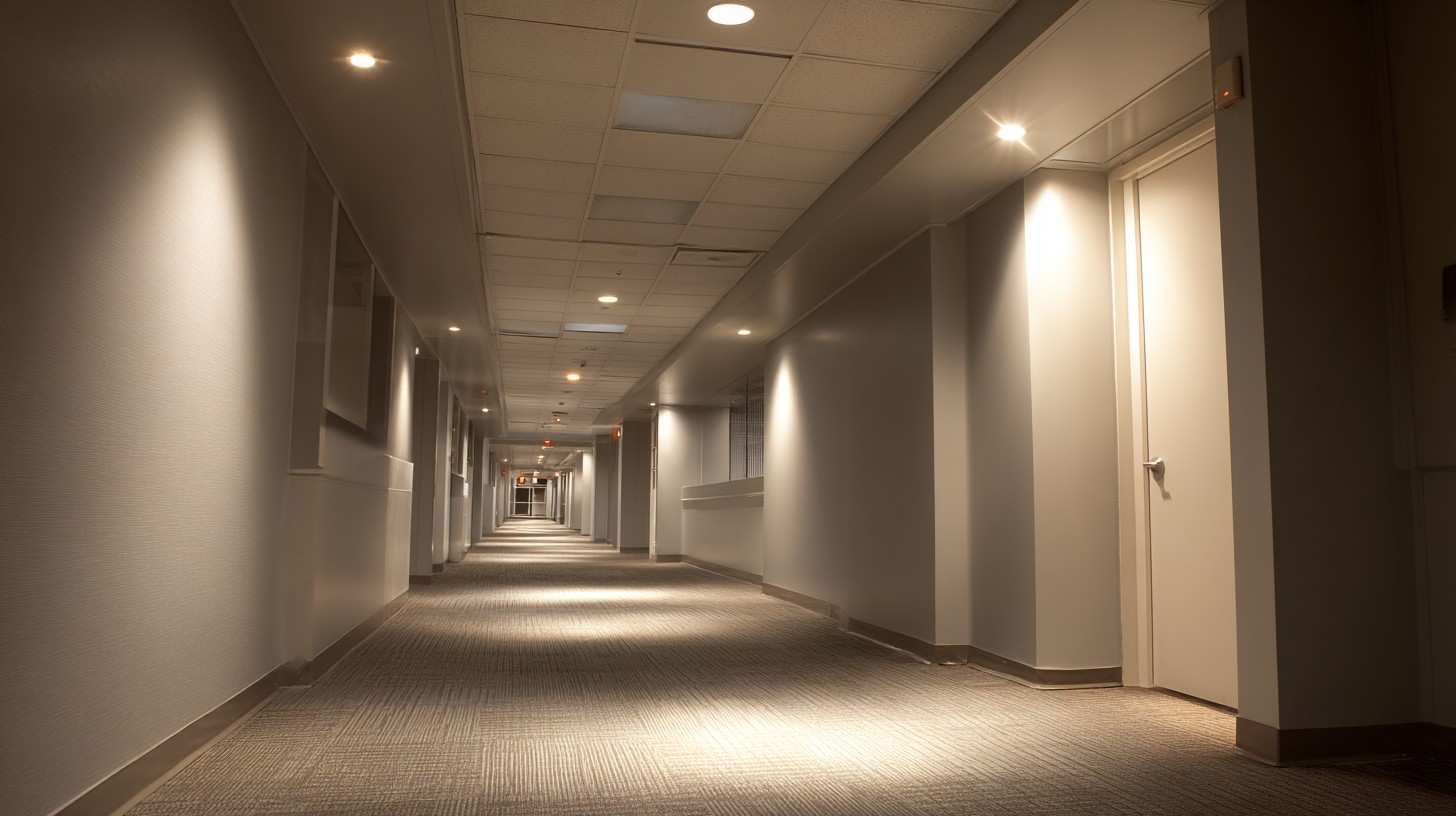
Conclusion
Standby emergency lighting is not a luxury—it’s a critical safety system for modern buildings and industrial facilities. When designed correctly, it protects people, equipment, and operations during unexpected power failures.
By understanding standards, illumination requirements, battery performance, and maintenance needs, you can ensure your facility remains safe and compliant under all conditions.
If you are planning a new project or upgrading an existing system and want expert advice on reliable, compliant standby emergency lighting solutions, contact us directly. At Logos Lighting, we’re ready to help you design the right solution for your application.



Leave a Reply
Your email is safe with us.