

Poor tunnel lighting creates accidents, driver stress, and unsafe traffic conditions. Darkness or glare makes visibility worse. The fix? A reliable tunnel lighting system designed for safety.
Tunnel lighting is designed to ensure safety, visibility, and smooth traffic flow inside enclosed roadways. It requires specific lux levels, uniform brightness, anti-glare design, and compliance with strict tunnel lighting standards. Different tunnel zones—access, threshold, transition, interior, and exit—each have unique lighting requirements. With LED tunnel lighting fixtures like floodlights, vapor tight fixtures, canopy lights, and wall packs, tunnels achieve better efficiency, visibility, and reduced operating costs. Proper tunnel lighting design considers traffic speed, tunnel length, environmental conditions, and energy efficiency.
Let’s break it down step by step so it’s easy to understand.
Table of Contents
Tunnel Lighting Standards
Tunnel lighting plays a critical role in road safety, especially because drivers’ eyes need to adjust quickly when moving from daylight into a darker tunnel. To avoid accidents, international standards set clear requirements for brightness, uniformity, and emergency lighting.
Most global guidelines, such as those from the International Commission on Illumination (CIE), recommend different lighting levels for different tunnel zones. At the entrance, where the contrast between daylight and tunnel interior is greatest, lighting levels should be high—typically 50 lux or more. This prevents the “black hole effect,” where drivers cannot see clearly upon entering. Inside the main section of a long tunnel, lower lighting levels are allowed, usually between 3 and 5 lux, since drivers’ eyes will have already adapted to darker conditions.
Uniformity is another key factor. Lighting must be evenly distributed across the road surface to avoid shadows, bright spots, or glare that can confuse drivers. Fixtures are often installed in continuous rows or staggered layouts to achieve consistent illumination.
Glare control is also emphasized. Light fixtures are designed with optical systems that direct beams precisely onto the roadway, reducing reflections and improving driver comfort. In many cases, LED tunnel lights with anti-glare optics are preferred because they combine efficiency with safety.
Emergency lighting is mandatory in most standards. In the event of a power outage, backup lights must provide at least 1 lux for evacuation routes, ensuring drivers and passengers can exit safely.
Finally, energy efficiency is part of modern tunnel lighting standards. LEDs are now widely adopted because they consume far less power than traditional sodium or fluorescent lamps, while offering long lifespans and reduced maintenance needs.
By following these standards, tunnel designers and operators can guarantee both safety and cost-effectiveness, ensuring smooth traffic flow under all conditions.
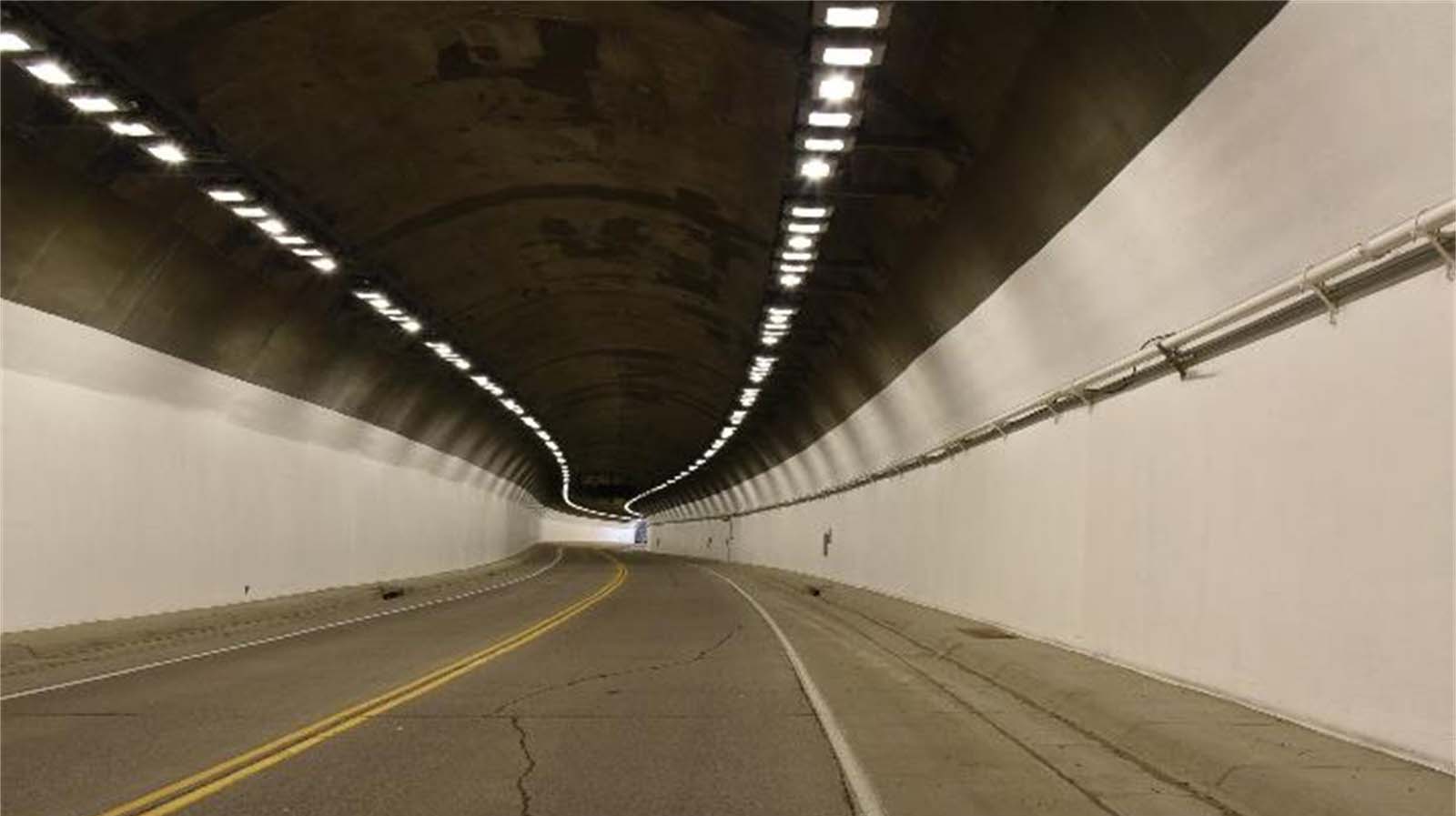
Tunnel Lighting Stages
Tunnel lighting is designed in stages to match how the human eye adapts when moving between daylight and darker environments. Each stage has a specific purpose to ensure driver safety and comfort.
Access Zone
The access zone is the area just before entering the tunnel. Here, the lighting should match the brightness of the outside road during the day. This consistency prevents drivers from experiencing a sudden contrast when approaching the tunnel. At night, this zone may not need extra lighting since the road and tunnel brightness levels are already similar.
Threshold Zone
The threshold zone begins at the tunnel entrance. In this stage, the lighting is much brighter than inside the tunnel. The goal is to counter the “black hole effect,” where the entrance appears dark compared to the daylight outside. By providing higher lux levels, drivers can clearly see the tunnel interior, other vehicles, and potential obstacles, which reduces accident risks.
Transition Zone
After the threshold, the transition zone gradually reduces brightness. This step-down process helps the eyes adapt smoothly from daylight levels to the lower light levels inside the tunnel. Without this gradual adjustment, drivers could experience discomfort or temporary vision problems.
Interior Zone
The interior zone is the longest section of most tunnels. Here, lighting remains steady and uniform. The goal is to provide consistent visibility without glare or shadows, ensuring that drivers can travel safely at a steady speed. LED fixtures are often used to maintain brightness while keeping energy use efficient.
Exit Zone
The exit zone prepares drivers for leaving the tunnel and re-entering daylight. Light levels are increased gradually so that eyes can adapt to the brighter outside environment. This prevents visual stress and sudden adjustments, especially during sunny days. At night, exit zone lighting is kept consistent with surrounding road lighting.
Together, these stages create a safe and comfortable visual experience, reducing accidents and improving traffic flow through tunnels.
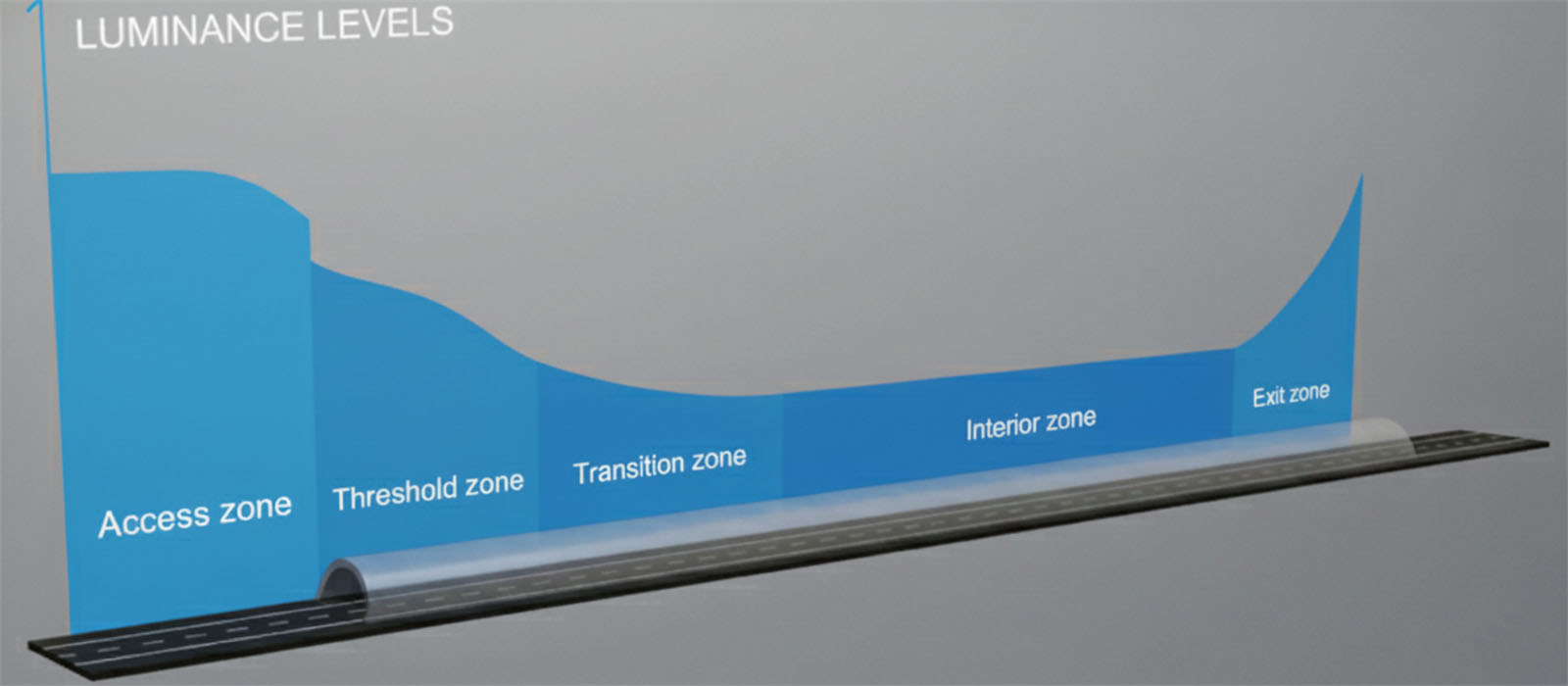
Tunnel Lighting Stages
Things to Considering for Tunnel Lighting Design
Designing tunnel lighting is about more than just installing fixtures. It requires balancing safety, efficiency, and long-term reliability. Several key factors must be evaluated before finalizing a tunnel lighting system.
Tunnel Length and Shape
The length and shape of the tunnel directly affect how many lights are needed and where they should be placed. Longer tunnels require more fixtures to ensure consistent illumination. Curved tunnels demand careful placement to eliminate blind spots and dark areas where visibility could drop.
Traffic Volume and Speed
The type of traffic using the tunnel is critical. High-speed traffic requires brighter lighting to give drivers enough reaction time. Similarly, tunnels with heavy vehicle flow may need higher illumination to keep congestion safe and manageable.
Environmental Conditions
Tunnels are often exposed to moisture, dust, vehicle emissions, and pollution, all of which can reduce visibility. Using LED vapor-tight fixtures ensures resistance to these conditions. Fixtures should also be corrosion-resistant to handle long-term exposure to harsh environments.
Brightness and Lux Levels
International standards dictate different lux levels for each tunnel zone. The entrance requires higher lux to counter daylight glare, while the interior zone maintains lower but consistent brightness. Careful calculations ensure smooth transitions and avoid sudden changes that strain the eyes.
Energy Efficiency
LED tunnel lights are far more efficient than older HID lamps, often cutting energy use by 60–70%. This efficiency lowers operating costs while still delivering the high performance needed for tunnel safety.
Safety and Emergency Lighting
Emergency lighting systems are a must. In the event of a power failure, backup lights provide enough brightness for drivers to exit safely. They also support evacuation procedures during accidents or natural disasters.
Maintenance and Accessibility
Tunnels often have restricted access for maintenance due to traffic. Fixtures must be designed for easy servicing and long lifespans, reducing the need for frequent shutdowns.
Lighting Uniformity and Anti-Glare Design
Uneven lighting or glare can cause eye strain and accidents. Fixtures with advanced optics should be used to ensure uniform light distribution. Anti-glare designs keep drivers comfortable, even during long trips.
Color Rendering
A high CRI (Color Rendering Index) of 80 or above helps drivers see signs, lane markings, and other vehicles clearly. This improves overall safety and reduces mistakes.
Light Pollution
Lighting design should prevent spill light escaping from tunnel entrances. This protects surrounding communities and reduces environmental impact on wildlife.
Smart Lighting Solutions
Modern tunnels increasingly use smart systems. Sensors can adjust brightness automatically based on daylight conditions, traffic volume, or emergencies, improving both efficiency and safety.
Compliance with Standards and Regulations
Every tunnel must comply with local and international standards, such as those from IES or CIE. Meeting these ensures that the system is safe, efficient, and legally certified.
By carefully considering these factors, tunnel lighting can deliver reliable visibility, reduce risks, and provide long-term cost savings.
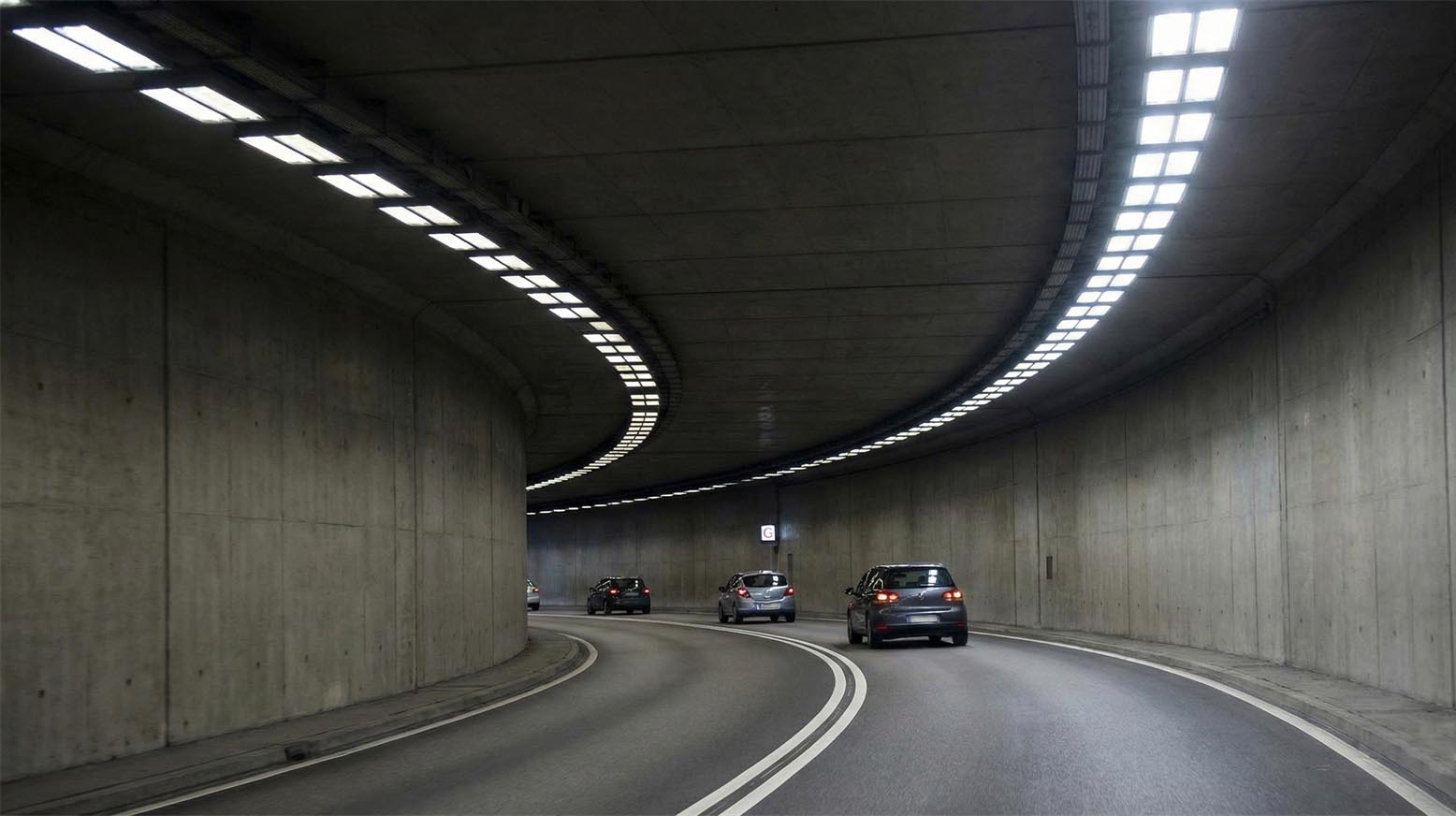
Types of Tunnel Lights
Tunnel lighting systems use different types of fixtures, each serving a specific purpose. The right mix ensures safety, energy efficiency, and reliable operation in one of the most demanding environments.
LED Tunnel Floodlights
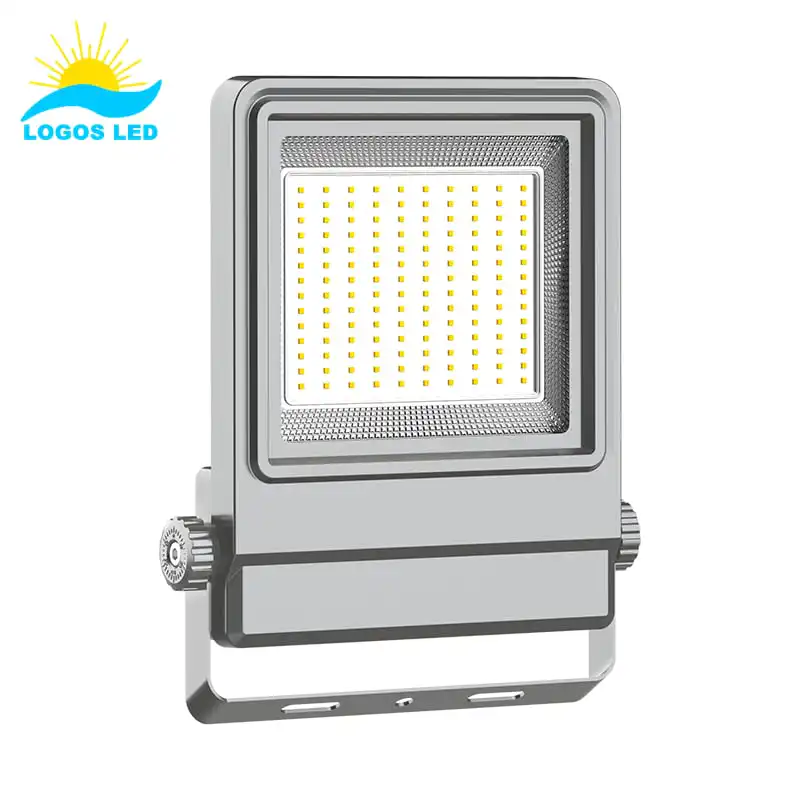
LED tunnel floodlights are the backbone of most tunnel lighting systems. They deliver powerful illumination across wide areas, making them perfect for large tunnels and main interior zones. Their high lumen output ensures consistent brightness, preventing dark patches that could distract or endanger drivers. With long lifespans and high energy efficiency, LED floodlights reduce both maintenance and power costs.
Vapor Tight Fixtures
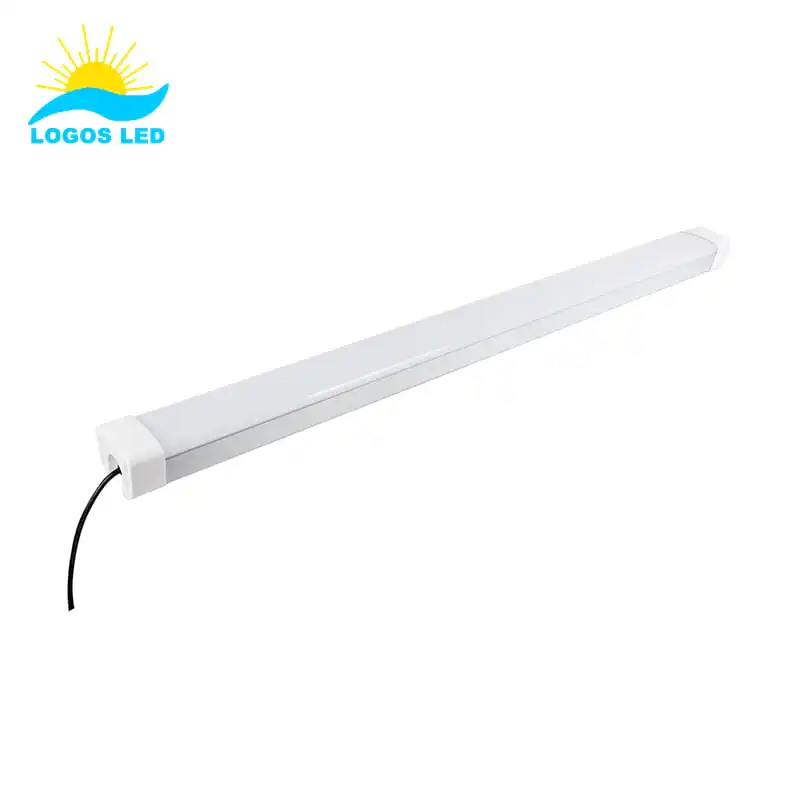
Tunnels face constant exposure to moisture, dust, exhaust gases, and even corrosive chemicals. Vapor tight fixtures are fully sealed, protecting internal components from water and dirt. They are often made with corrosion-resistant housings, making them highly reliable in harsh tunnel environments. These fixtures are commonly used in areas prone to heavy condensation or where air quality is poor.
Canopy Lights
At tunnel entrances and exits, lighting needs are unique. Drivers’ eyes must adjust quickly to changing brightness levels, which is where canopy lights come in. These compact, high-output fixtures provide even illumination right at the points of transition. By preventing sudden changes in brightness, canopy lights reduce visual stress and help maintain smooth traffic flow.
LED Wall Packs
LED wall packs are mounted along tunnel walls to improve side visibility. They are especially useful in pedestrian walkways, emergency exits, and side areas of tunnels where extra brightness is needed. By reducing shadows and highlighting side zones, wall packs add an extra layer of safety. Their durable design and long lifespan make them a cost-effective addition to any tunnel lighting system.
Together, these lighting types create a balanced system that addresses every zone of a tunnel—from entrances and interiors to side areas and emergency paths.

Key Features of LED Tunnel Lighting Fixtures
LED tunnel lights are designed with features that make them reliable, cost-effective, and safe for continuous operation in demanding environments.
Energy Efficiency
One of the biggest advantages of LED tunnel lights is their efficiency. Compared to traditional HID or fluorescent fixtures, LEDs can cut power use by up to 70%. In long tunnels where lights run 24/7, this translates to massive annual savings on electricity bills. Lower energy demand also reduces the environmental footprint.
Long Lifespan
Tunnel maintenance is costly and often requires road closures. That’s why longevity matters. LED tunnel fixtures typically last more than 50,000 hours, meaning fewer replacements and less downtime. Some high-quality models can even exceed 100,000 hours, making them a smart long-term investment.
Enhanced Visibility
Visibility is critical in tunnels where drivers’ eyes need time to adapt. LEDs provide high lumen output with consistent brightness, ensuring there are no dark spots or sudden changes in illumination. This uniformity makes driving safer and reduces eye strain during long passages.
Instant On/Off
Unlike older lights that take minutes to warm up, LEDs switch on instantly. This is crucial in emergencies when backup lighting needs to activate immediately. Instant response ensures that traffic and evacuation routes remain safely lit.
Durability & Resistance
Tunnels expose lights to constant vibration, vehicle exhaust, dust, and moisture. LED fixtures are built with rugged housings, often rated IP65 or higher, to resist these challenges. Many are also corrosion-proof, ensuring they continue to perform even in the harshest conditions.
Flexible Smart Control Integration
Modern LED tunnel systems support advanced control options. Features like dimming, motion sensing, and daylight adjustment allow operators to optimize energy use without compromising safety. Remote monitoring can alert maintenance teams of failures instantly, reducing downtime and repair costs.
These features make LED tunnel lights the most reliable choice for modern tunnel infrastructure, combining safety, efficiency, and long-term durability.
Tunnel Lighting Maintenance
Proper maintenance is one of the most important parts of tunnel lighting design. Even though LED fixtures greatly reduce maintenance needs compared to older technologies, they still require regular care to ensure maximum safety and performance.
Routine Cleaning
Dust, soot, and exhaust fumes build up quickly inside tunnels and can block light output. Regular cleaning of lenses and housings restores full brightness and prevents visibility problems. For busy tunnels, cleaning schedules are often set every few months.
Inspection of Seals and Fixtures
Moisture, vibration, and pollution can slowly damage the seals of fixtures. Inspecting gaskets and housings ensures that fixtures remain water- and dust-tight. If seals are compromised, quick replacement prevents costly failures and keeps lights working reliably.
Emergency Lighting System Testing
Emergency lighting is critical in case of power outages or accidents. Backup fixtures, batteries, and control systems must be tested on a schedule to confirm they switch on instantly when needed. Skipping these checks could put drivers at risk during emergencies.
Smart Monitoring and Alerts
Modern LED tunnel lighting systems often include smart controls that track fixture performance. These systems can send alerts if a light fails or if there’s a drop in brightness. Remote monitoring helps maintenance teams act quickly, reducing downtime and avoiding complete outages.
Planning for Maintenance Access
One of the biggest challenges in tunnels is scheduling maintenance without disrupting traffic. That’s why access points, maintenance walkways, and fixture placement should be considered during the design phase. Fixtures should be installed in a way that allows crews to service them quickly and safely.
By combining smart technology with regular inspections, tunnel operators can keep lighting systems reliable, safe, and cost-efficient for years.
Conclusion
Tunnel lighting is more than just installing fixtures—it’s about safety, visibility, and efficient operation. By choosing LED tunnel floodlights, vapor tight fixtures, and smart controls, tunnels stay bright, reliable, and cost-effective for decades.
If you’re planning a tunnel lighting project, reach out to Logos Lighting today—we’ll help you design the perfect solution.
Featured Products

Request A Free Quote Now!
Send us a message if you have any questions or request a quote. We will get back to you ASAP!


Leave a Reply
Your email is safe with us.