
Frustrated by solar lights that quit too soon? Poor lighting leaves your yard unsafe and dark. Fixing failures fast means saving money and restoring brightness.
Solar light failures usually happen due to poor sunlight exposure, dirty panels, weak batteries, faulty sensors, or water damage. Most issues can be solved with simple maintenance steps such as cleaning panels, replacing batteries, checking electrical connections, or adjusting settings. More severe failures like controller or component damage may require part replacement. Knowing solar light failure causes helps extend lifespan, avoid constant replacements, and reduce frustration. With regular care, solar lights can last for years instead of months.
Let’s break down why solar lights fail and how you can fix them.
Table of Contents
How do Solar Lights Work?
Solar lights operate by converting sunlight into usable energy through a process called the photovoltaic effect. Each solar light is equipped with a small solar panel, usually placed on top of the fixture, which contains photovoltaic (PV) cells. These cells absorb sunlight during the day and transform it into electrical energy. The electricity is then stored in a rechargeable battery, typically lithium-ion or nickel-metal hydride, so it can be used later when it’s dark.
As daylight fades, a built-in light sensor automatically detects the drop in ambient brightness. Once the sensor is triggered, it switches on the LED light, drawing power from the stored battery. At sunrise, the sensor detects natural light again and automatically shuts the LED off, allowing the system to begin recharging for the next cycle.
One of the key reasons solar lights are so efficient is the use of LEDs as the light source. LEDs require far less energy than incandescent or halogen lamps, meaning even a compact solar panel and small battery can provide hours of illumination. Most high-quality solar lights are designed to run 8–12 hours after a full day of charging.
In addition, many solar lighting systems include charge controllers to prevent overcharging or deep discharging of the batteries, which helps extend the lifespan of the entire system. With no need for wiring or direct connection to the electrical grid, solar lights provide an independent and eco-friendly lighting solution for gardens, pathways, streets, parking lots, and even large outdoor facilities.
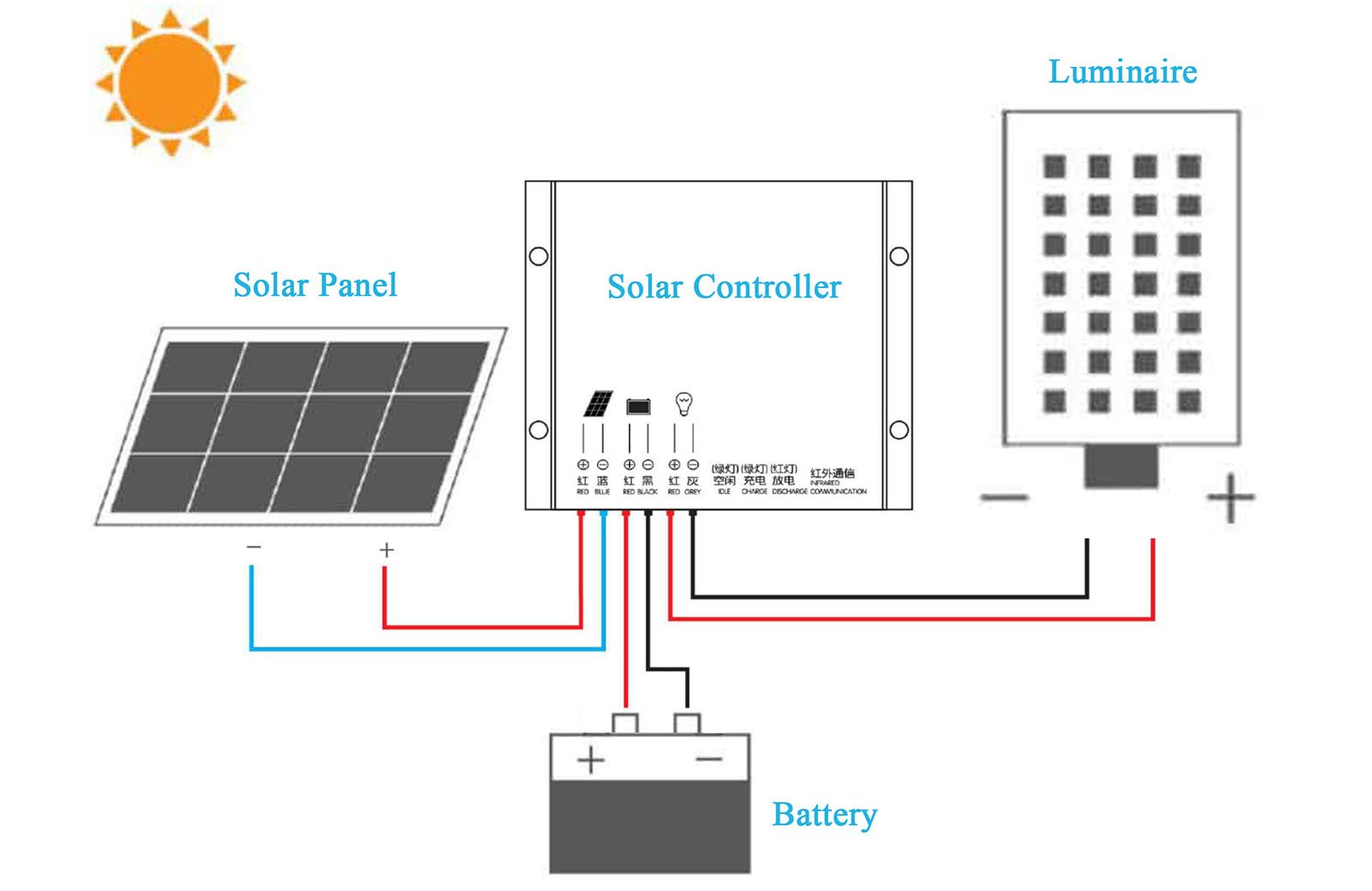
Solar Lighting System
Why Do Solar Lights Fail So Quickly?
There are several reasons why solar lights often fail sooner than expected, and most of them come down to quality and installation issues. The biggest factor is the use of low-quality components. Many inexpensive solar lights are built with cheap batteries that degrade within a year, losing their ability to hold a charge. Similarly, poorly made LEDs or drivers may burn out quickly, leaving the fixture useless even if the solar panel is still functional.
Another common issue is insufficient sunlight exposure. Solar panels need direct, unobstructed access to the sun to fully charge the batteries. If a fixture is placed under trees, near tall buildings, or in areas with frequent shade, the batteries never reach full capacity. This leads to dim light output and shorter run times, especially in the evening when illumination is needed most.
Environmental conditions also play a major role. Solar lights that are not designed with proper waterproofing or dust protection can fail when exposed to rain, snow, or dirt buildup. Moisture seeping into the electronics or corrosion in the wiring often causes permanent damage. Extreme temperatures—either hot or cold—can further reduce battery life and compromise performance.
Finally, lack of maintenance accelerates failure. Solar panels that are not cleaned regularly accumulate dirt, pollen, or snow, which blocks sunlight absorption. When this happens, even high-quality systems underperform. Simple maintenance like cleaning the panel surface and replacing worn batteries can extend the life of solar lights significantly.
In short, most failures come down to low-grade parts, poor installation practices, and neglect. Choosing high-quality solar lights with durable batteries, weatherproof housing, and efficient LEDs—then installing them in optimal locations with routine upkeep—can make them last many years instead of just a season.

Common Failures and Solutions for Solar Lights
Insufficient Sunlight Exposure
One of the most common problems is when the solar panel doesn’t receive enough sunlight during the day. Without full exposure, the battery won’t charge properly, leading to dim light or shorter operating times at night. The solution is simple—relocate the solar light to a spot where it gets direct sunlight for most of the day. For best results, position the panel facing south (in the northern hemisphere) or north (in the southern hemisphere) at the recommended tilt angle.
Dirty Solar Panels
Solar panels naturally collect dust, pollen, bird droppings, and grime over time. This buildup blocks sunlight and reduces charging efficiency. Cleaning the panels every few weeks with a soft cloth and mild water can restore performance. Avoid using harsh chemicals or abrasive materials, as they may scratch the panel surface.
Battery Problems
Rechargeable batteries are the heart of solar lights, but they degrade after repeated charge cycles. A common symptom is lights running for only a couple of hours before shutting off. Replacing old batteries with new, compatible rechargeable batteries (such as NiMH or Li-ion, depending on the model) often brings the system back to life.
Faulty Light Sensors
Light sensors detect ambient brightness to turn solar lights on at dusk and off at dawn. If the lights fail to switch correctly, the sensor may be dirty, blocked, or damaged. Cleaning the sensor surface or replacing it usually resolves the issue. Some models allow recalibration of the sensor sensitivity.
Water or Moisture Damage
Even when advertised as waterproof, poorly sealed solar lights may suffer from water ingress during heavy rain or humidity. This can corrode the circuit board or battery compartment. Applying waterproof sealant around vulnerable seams or investing in IP65+ rated lights helps prevent failures. For damaged fixtures, drying out the unit and resealing it may temporarily solve the problem.
Wiring or Connection Problems
Over time, wires inside the solar light can loosen or corrode, breaking the circuit. If a light doesn’t turn on despite a full charge, inspect internal wiring and terminals. Cleaning corrosion and tightening connections often restores power flow. In some cases, rewiring may be required.
LED Failures
LEDs are long-lasting, but they can still fail due to overheating or poor-quality components. If only one LED in a multi-light unit goes out, replacing the diode might work. However, if multiple LEDs fail, replacing the entire fixture is usually more practical and cost-effective.
Timer or Mode Settings Misconfiguration
Some solar lights come with multiple operating modes, such as dim, motion-activated, or timer-based settings. If the light behaves unexpectedly—like shutting off too early—it may simply be in the wrong mode. Resetting or reprogramming the settings often fixes the issue.
Controller Malfunction
The controller regulates how energy flows between the panel, battery, and LED. A malfunctioning controller can stop charging, discharging, or cause erratic performance. If all other components check out, replacing the controller is the only solution.
Charging Issues
Damaged solar panels or low-quality cells reduce charging efficiency. If the panel looks discolored, cracked, or produces very little voltage in sunlight, it may need to be replaced. A high-efficiency panel upgrade can also boost performance in low-sunlight regions.
Component Failures
Other small electronic parts like capacitors, resistors, or drivers may fail inside the solar light. Diagnosing these issues requires technical knowledge and testing tools. Most users will find it easier and cheaper to replace the entire unit instead of repairing these components.
Installation Mistakes
Improper installation often leads to poor performance. Common mistakes include mounting panels at the wrong angle, facing away from the sun, or placing them under trees and roofs. Always follow manufacturer guidelines for orientation and placement to maximize charging efficiency and ensure long-term reliability.
Proactive Maintenance Practices of Solar Lights
Cleaning and Maintaining Solar Panels
Solar panels work best when they are clean and free from dust, dirt, and bird droppings. Even a thin layer of grime can reduce charging efficiency by 10–20%. Wiping the panels with a soft cloth and water every few weeks keeps them performing at peak levels. In areas with heavy pollution or frequent storms, more frequent cleaning may be necessary. Avoid harsh chemicals or abrasive materials that could scratch the surface.
Regular Battery Monitoring
Batteries are the most common component to wear out in solar lights. Over time, they lose capacity and fail to hold a charge, reducing operating hours at night. A good practice is to check batteries every six months. If the lights run dim or shut off earlier than usual, it’s a clear sign the batteries need replacement. Using high-quality rechargeable batteries (NiMH or Li-ion, depending on the system) ensures longer performance and fewer replacements.
Securing Electrical Connections
Loose or corroded connections often cause flickering, dimming, or complete failure of solar lights. Moisture and oxidation can build up in terminals, especially in outdoor setups exposed to rain and humidity. Inspect wiring and connectors regularly, tightening any loose screws and cleaning corrosion with contact cleaner. Applying dielectric grease can help protect metal connections from moisture damage.
Keeping Controllers Updated
Modern solar lighting systems often include smart controllers that manage charging, discharging, dimming, and motion sensing. Like any electronic component, they benefit from updates or resets to maintain smooth operation. If your controller supports firmware updates, install them when available to improve efficiency and prevent glitches. For older controllers, a periodic reset can clear errors and restore proper function.
By following these proactive practices, solar lights last longer, operate more reliably, and continue saving energy year after year. Preventive maintenance is always easier—and cheaper—than fixing complete failures.
FAQs about Solar Lights Failure
Why is my solar light blinking?
Blinking is usually a sign that the battery is weak or not charging properly. It can also mean that the LED driver or wiring connection is unstable. Start by checking the battery health, cleaning the solar panel, and inspecting all wiring.
How do I clean my solar panel?
Use a soft cloth with mild soap and lukewarm water. Gently wipe the surface to remove dust, dirt, and bird droppings. Avoid abrasive cleaners, solvents, or rough sponges that can scratch the protective layer on the panel.
Can I replace batteries in solar lights?
Yes, most solar lights are designed with replaceable rechargeable batteries, usually NiMH or Li-ion. Always match the voltage and capacity recommended by the manufacturer for safe operation and long life.
Why do my solar lights turn off too early?
This usually happens when the batteries are not fully charged. Common reasons include dirty panels, shaded installations, or degraded batteries. Cleaning the panels or replacing old batteries usually solves the problem.
How long do solar lights usually last?
With good-quality components and proper maintenance, solar lights typically last 2–5 years. The LED bulbs themselves may last longer, but the batteries and controllers are usually the first parts to wear out.
How do I extend the life of my solar lights?
Regular cleaning of panels, checking for corrosion in connections, and replacing batteries every few years can extend their lifespan. Positioning the lights in areas with full sun exposure also makes a big difference.
Can solar lights be fixed?
Yes, many failures can be repaired. Replacing batteries, cleaning corroded wires, or swapping out faulty sensors and controllers can bring a dead solar light back to life without replacing the entire fixture.
Can you fix a solar light sensor?
Yes. Most of the time, dirt or moisture on the sensor prevents it from working. Cleaning it with a dry cloth helps. If the sensor is damaged, replacing it is usually inexpensive and restores normal function.
Why do my solar lights not last long?
The biggest reasons are poor-quality components, lack of regular maintenance, and incorrect placement in shaded areas. Choosing lights from reputable manufacturers and maintaining them properly ensures they last much longer.
Conclusion
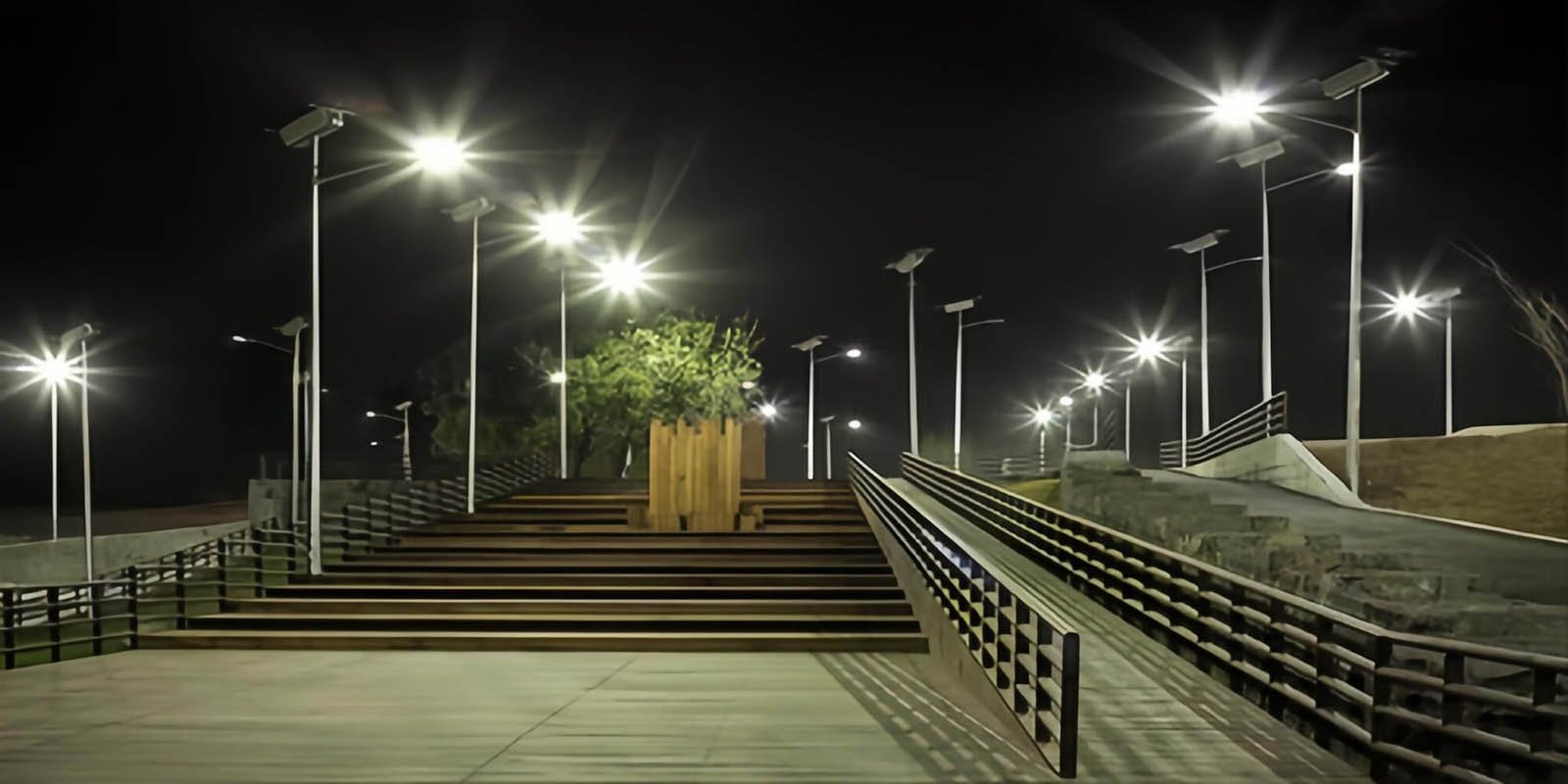
Solar lights can fail for many reasons, but the good news is that most of these problems are preventable. Poor-quality parts, dirty solar panels, weak batteries, or improper placement are the main culprits. By choosing high-quality products and keeping up with simple maintenance like cleaning panels, checking connections, and replacing worn batteries, solar lights can stay reliable for years.
The key is to be proactive. Regular upkeep not only extends the lifespan of your solar lights but also ensures they work efficiently every night. Occasional part replacements, like swapping a battery or controller, are minor compared to the cost of replacing the entire system. With the right care, solar lights can provide consistent illumination, save energy, and reduce long-term costs.
If you’re struggling with solar light failures or want to upgrade to durable, professional-grade lighting, contact us today. We specialize in high-quality, long-lasting LED solar solutions designed to keep your spaces safe, bright, and dependable.
Featured Products



Request A Free Quote Now!
Send us a message if you have any questions or request a quote. We will get back to you ASAP!