

Poor lighting choices lead to frequent failures, rising maintenance costs, and frustrated users. The consequences include wasted money, downtime, and inconsistent illumination. Integrated LED light fixtures solve these issues with long lifespan, efficiency, and smarter design.
Integrated LED light fixtures are the future of lighting, offering a seamless, long-lasting solution with no bulbs to replace. These all-in-one systems combine LEDs, drivers, heat sinks, and optics, optimizing efficiency, heat dissipation, and light distribution. Ideal for high-use and commercial applications, integrated LEDs last up to 100,000 hours, reducing maintenance costs. Unlike traditional bulbs, they offer better control over brightness and color temperature, making them perfect for modern, energy-efficient lighting setups. Invest in integrated LEDs for reliable performance and lower long-term costs in spaces like offices, streets, and warehouses.
If you are deciding whether integrated LED lighting is right for your project, keep reading. I will break down how these fixtures work, their advantages, limitations, and where they truly make sense.
Table of Contents
What Is an Integrated LED Light Fixture?
An integrated LED light fixture is an all-in-one lighting solution where the LED chips are built directly into the fixture—no replaceable bulb involved. The LEDs, driver, heat sink, and optics are designed as a single system from day one. From my experience at Logos Lighting, this integrated approach lets us control efficiency, heat dissipation, and light distribution far better than traditional bulb-based designs.
Unlike old-school fixtures that depend on screw-in bulbs, integrated LED ceiling lights and other fixtures are made for long-term, heavy-duty use. We’re talking about lifespans of tens of thousands of hours—often 50,000 hours or more when the quality is right. Since there’s no bulb to change, integrated LED light fixtures are the go-to choice for commercial LED lighting, high bay LED lighting, street lighting, and outdoor floodlighting—anywhere reliability, consistency, and low maintenance really matter.
Difference Between LED Bulb vs Integrated LED Light
The real difference between an LED bulb and an integrated LED light fixture comes down to convenience versus performance. LED bulbs are made to fit standard sockets, which makes them easy to swap in—but that convenience comes at a cost. Limited space means weaker heat dissipation, basic optics, and drivers that are often a compromise rather than a perfect match.
Integrated LED light fixtures are built differently—and frankly, smarter. Everything is engineered as one complete system. The heat sink is larger and more effective, the driver is properly matched to the LED chips, and the optics are designed specifically for the job. The result? Higher efficiency, better lumen maintenance, and a much longer service life. I always tell customers this: LED bulbs are fine for fast retrofits, but if you care about long-term performance and professional-grade results, integrated LED fixtures are the clear winner.
Benefits of Integrated LED Lighting
Longer Lifetime Than Screw-In LED Bulbs
Let me tell you, the lifespan of integrated LED lighting is a game-changer. High-quality integrated fixtures can run for 50,000 to 100,000 hours—way longer than screw-in LED bulbs that top out at 15,000 to 25,000 hours. Fewer replacements mean less hassle, reduced labor costs, and no disruption, especially in tough spots like high ceilings or outdoor setups where maintenance can be a nightmare.
Versatility and Creative Designs
With integrated LED tech, you’re not limited by bulky bulbs anymore. These lights enable sleek, modern designs that traditional bulbs just can’t match. Whether it’s integrated LED ceiling lights, linear lights, or decorative accents, the compact layout of the LEDs opens up a world of design possibilities. For designers, this means more room to create stunning spaces without sacrificing lighting performance.
Easier and More Control Over Light
One of the best things about integrated LED lights is the control you get. Because the LEDs and drivers are built as a system, you have far better control over brightness, beam angles, color temperature, and dimming. Many of these lights are dimmable and compatible with advanced control systems like DALI and smart lighting solutions. Whether you’re lighting an office, commercial space, or a modern architectural project, integrated LED lights give you the flexibility to tailor the ambiance exactly how you want.
Reduced Maintenance Costs
Here’s a big one: no bulbs to replace. That alone makes integrated LED lighting a huge win, especially for high bay lights, street lights, or outdoor floodlights where maintenance is both difficult and expensive. Over time, this reduction in maintenance costs actually offsets the initial investment—and in some cases, the savings are significant.
Better Heat Dissipation
Heat is a killer when it comes to LED longevity. But with integrated LED lights, heat management is built in. These fixtures come with optimized heat sinks that keep the LEDs cool, extending their life and maintaining consistent light output. This means you get a better-performing, longer-lasting system compared to those traditional LED bulbs that can’t handle heat as well.
Energy Efficiency
When it comes to energy savings, integrated LED lights lead the pack. Since every part is engineered to work together, these lights deliver more lumens per watt than traditional bulb-based systems. That translates to lower energy bills and a much more sustainable option, especially for large-scale commercial lighting projects where efficiency matters most.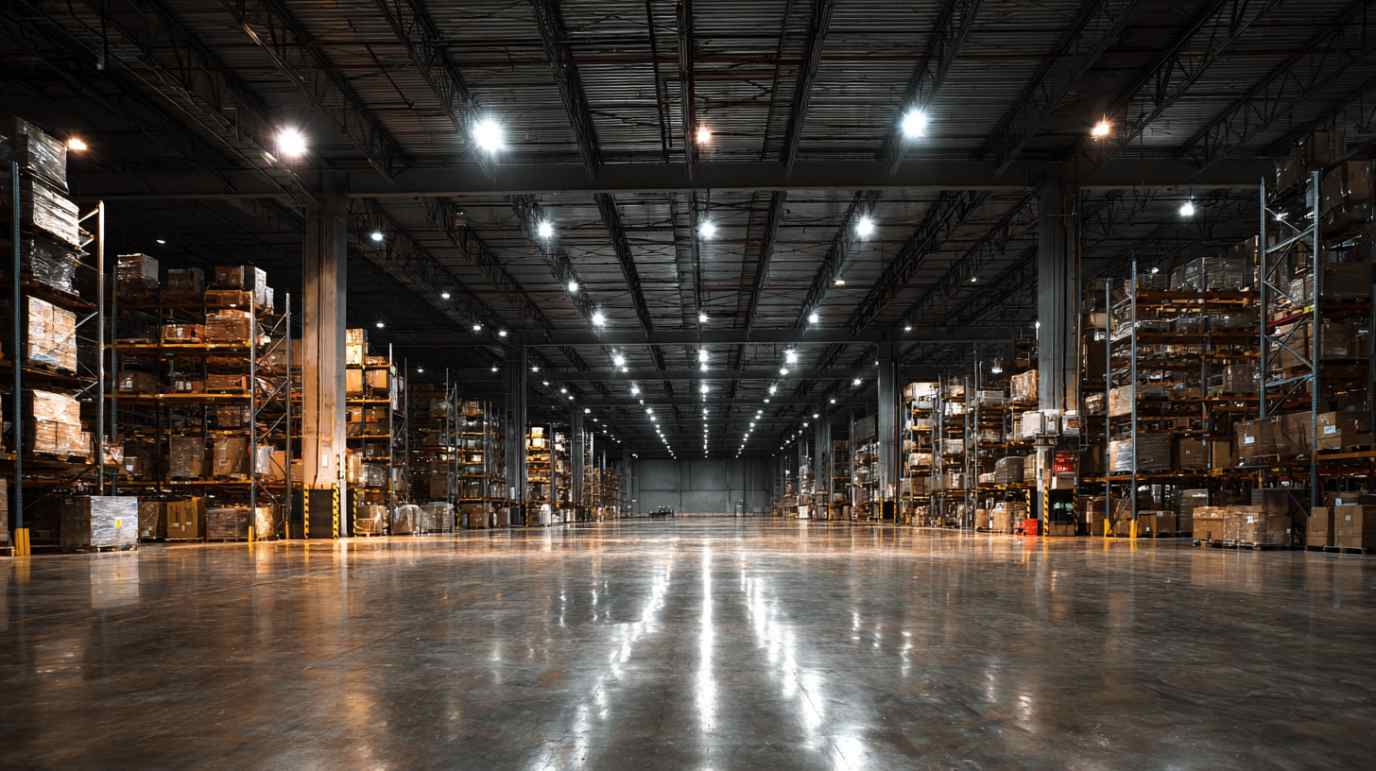
Drawbacks of Integrated LED Lighting
Installation Is More Complicated Than a Screw-In Bulb
I’ll be straight with you—integrated LED fixtures are not plug-and-play like screw-in bulbs. Most of the time, you’re dealing with wiring, proper mounting, and sometimes even lighting control system setup. In many projects, that means bringing in an electrician, which adds to the initial installation cost. It’s not difficult, but it does require a more professional approach.
Higher Up-Front Cost
Yes, integrated LED light fixtures usually cost more upfront compared to traditional fixtures with LED bulbs. For small projects or tight budgets, this can feel like a hurdle. But here’s the reality: when you look at total ownership cost—energy savings, longer lifespan, and reduced maintenance—the math usually favors integrated LED lighting in the long run.
Lack of Replacement Options
This is a common concern I hear from buyers. With integrated LED lights, if the LED module or driver fails, you don’t just swap a bulb—you replace the entire fixture. That’s why product quality matters so much. Choosing a reliable manufacturer with proven components and a solid warranty isn’t optional; it’s essential if you want long-term performance and peace of mind.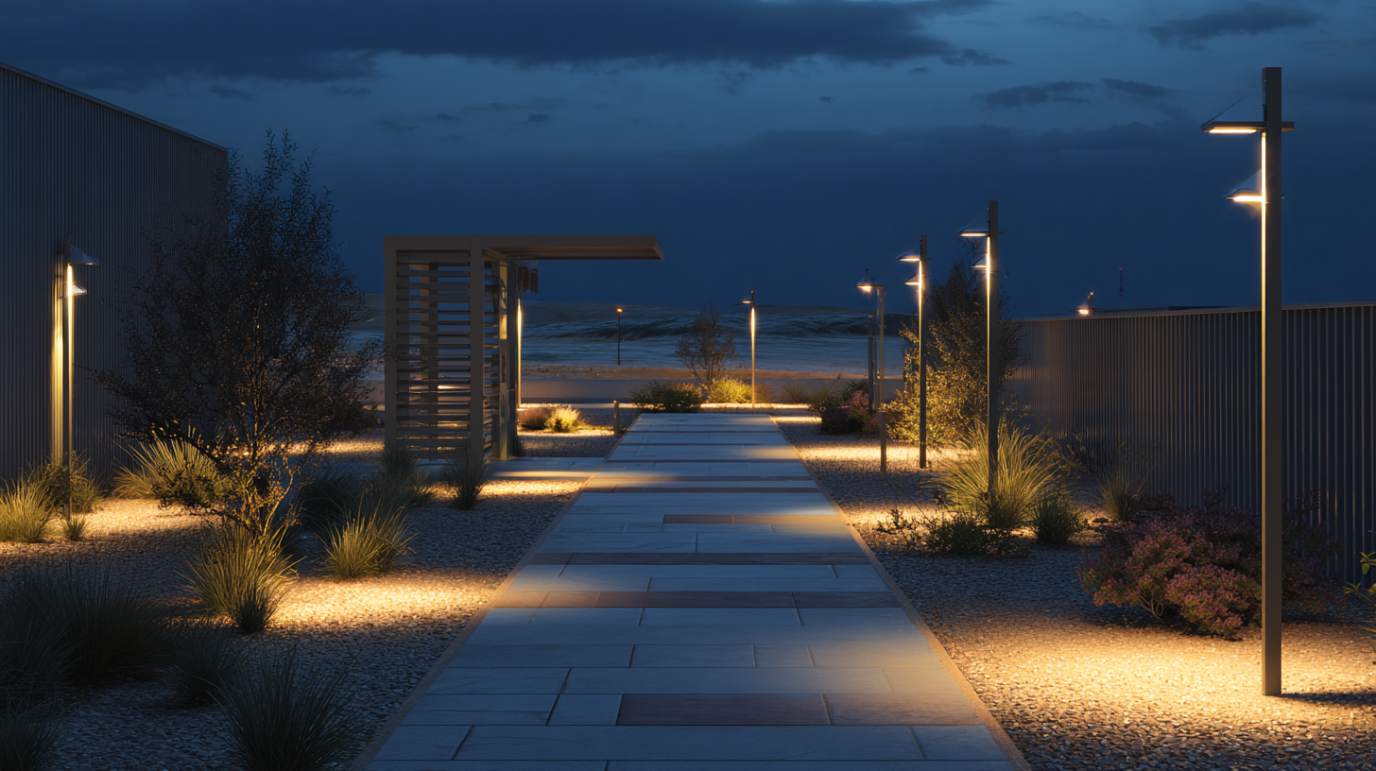
Applications of Integrated LED Light Fixtures
Office LED Lighting
From what I’ve seen in real projects, integrated LED ceiling lights and panel lights are a no-brainer for offices. They deliver uniform light, low glare, and excellent energy efficiency. The result? Better focus, less eye strain, and almost zero maintenance headaches for facility managers.
Commercial LED Lighting
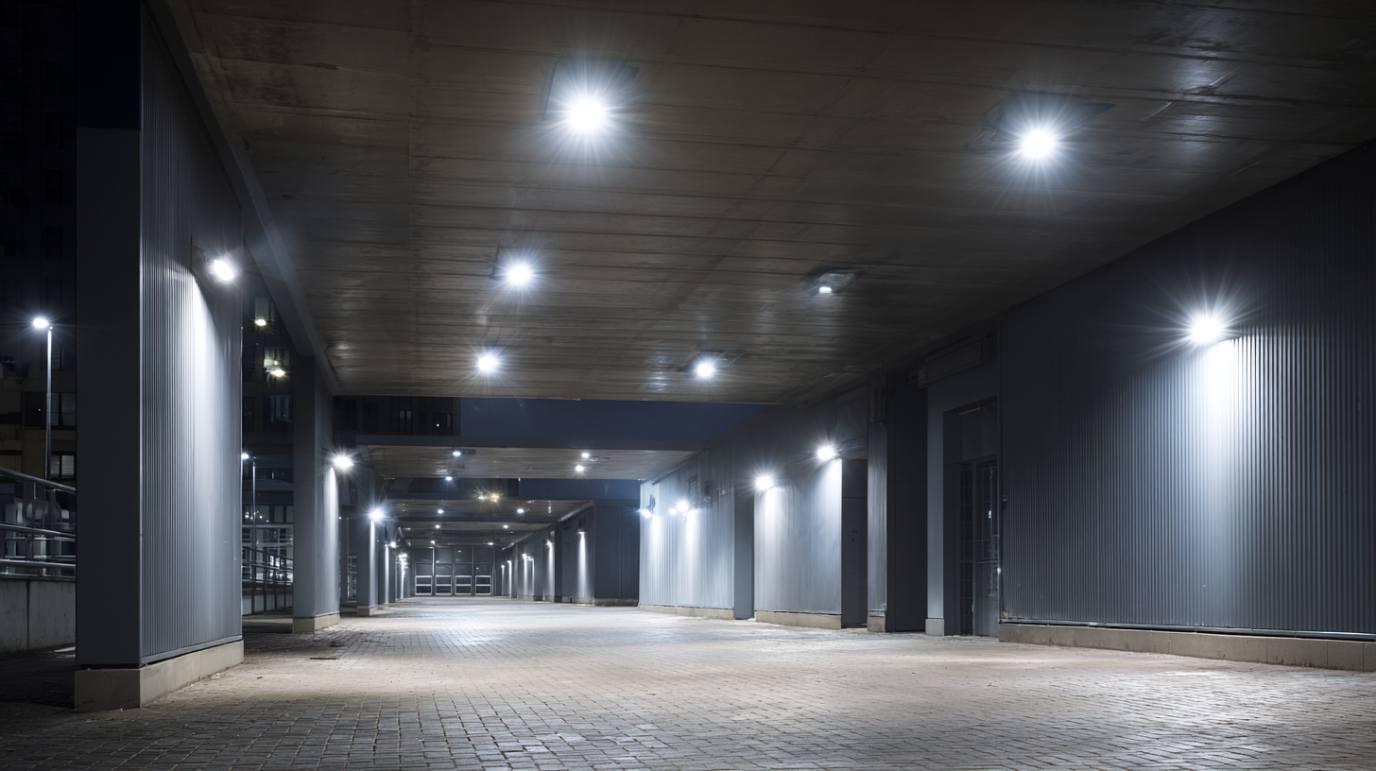
In retail stores, shopping malls, and commercial buildings, integrated LED lighting just makes sense. Clean design, consistent light quality, and long-term reliability help elevate the customer experience and reinforce brand image. When lighting looks professional, the business looks professional.
High Bay LED Lighting
If you’re lighting warehouses or factories, integrated LED high bay lights are the workhorses. I recommend them because they’re built to last—strong heat dissipation, high efficiency, and long lifespan make them ideal for tough industrial environments where failure is not an option.
Outdoor Floodlighting
Integrated LED floodlights shine outdoors—literally. Their sealed construction and smart thermal design allow them to handle rain, heat, dust, and cold without breaking a sweat. Once installed, maintenance stays low, which is exactly what outdoor projects demand.
Street and Roadway Lighting
Integrated LED street lights have become the global standard for a reason. High efficiency, durability, and long service life drastically cut operating and maintenance costs for municipalities. From a cost-performance standpoint, it’s hard to beat.
Decorative Lighting
Architects and designers increasingly choose integrated LED lighting for decorative and architectural projects. Compact designs, smooth light output, and creative flexibility allow them to bring bold ideas to life—without sacrificing performance or reliability.
How to Incorporate Integrated LED Light Fixtures In Your Space
I always start by looking at how the space is actually used. If the lights run long hours every day or maintenance access is difficult, integrated LED lighting is the smart move. From there, I dial in the right color temperature, beam angle, and control compatibility for the job. I never compromise on component quality—solid drivers, proper thermal design, and a real warranty matter more than price. Partnering with an experienced manufacturer like Logos Lighting helps make sure your integrated LED light fixtures perform reliably and deliver long-term value, not short-term headaches.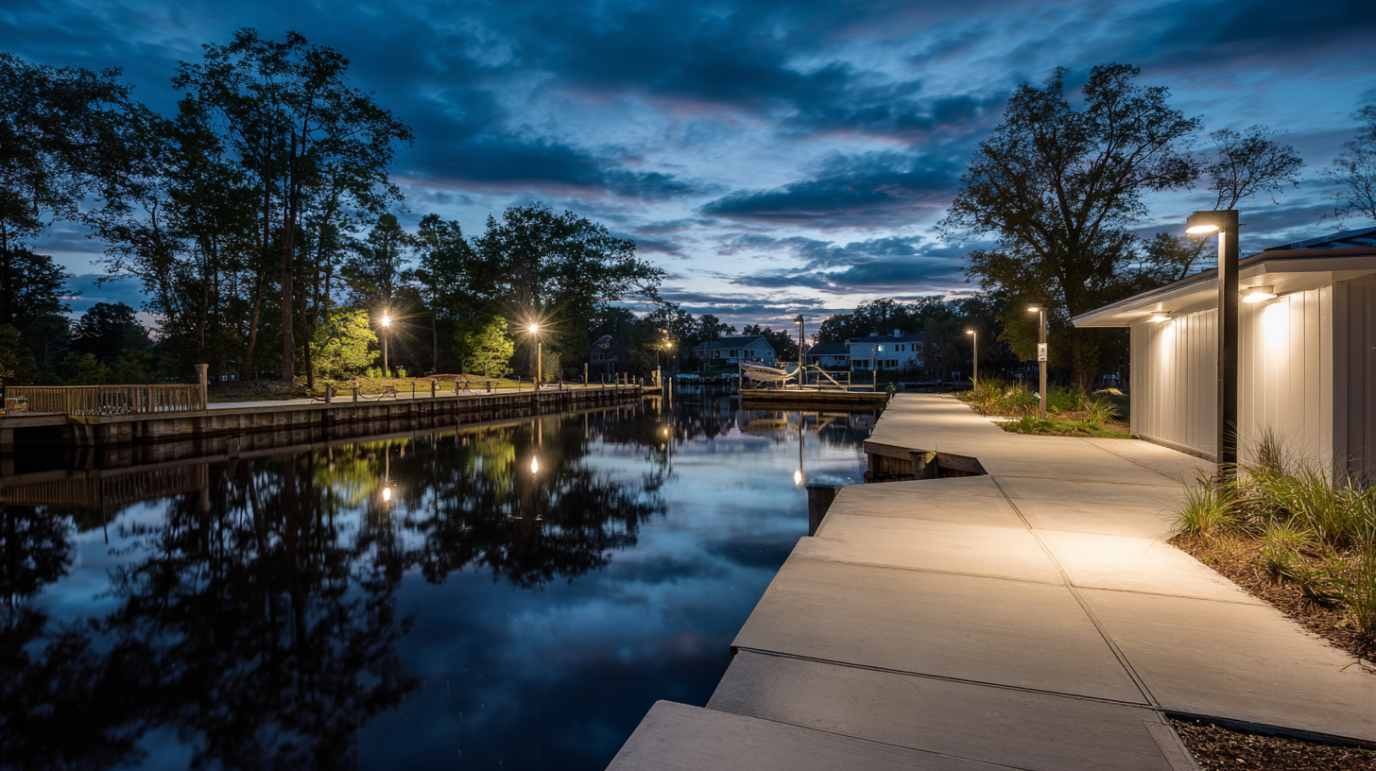
FAQs about Integrated LED Light Fixtures
Are Integrated LED Lights Replaceable?
Here’s the deal – integrated LED lights aren’t designed for DIY replacements. If the LED module fails, you’re replacing the entire fixture. That’s why choosing high-quality products with a solid warranty is a game-changer.
How Long Does An Integrated LED Light Last?
Top-tier integrated LED lights will last 50,000 hours or more. Premium models? They can run for over 100,000 hours under ideal conditions. That’s a massive win compared to regular bulbs!
Are Integrated LED Lights Dimmable?
Many integrated LED lights are dimmable. But – and this is key – dimming depends on the driver and dimming system you use. Always double-check your dimming needs before installation to make sure it works as expected.
What Happens When Built-In LED Lights Burn Out?
When built-in LEDs start to fade, the light output gradually drops. Eventually, you’ll replace the fixture instead of trying to fix it. But don’t worry, these lights last long enough that you probably won’t have to worry about it for years.
What Happens When an Integrated LED Light Fails?
If an integrated LED light fails, it’s typically the driver or the LED module at fault. Repairing the unit isn’t worth it, so you’ll usually replace the fixture instead.
Are Integrated LED Lights Environmentally Friendly?
Absolutely. These lights use less energy, last way longer, and cut down on waste by eliminating frequent bulb changes. They’re a sustainable lighting choice that benefits both your space and the planet.
Do LED Lights Make Your Electric Bill Go Up?
Not even close. LED lights are energy-saving machines that reduce your power usage. You’ll save money in the long run, without compromising on light quality.
Are Integrated LED Light Fixtures a Good Idea?
If you’re looking for lighting that works long-term and requires less maintenance, integrated LED fixtures are a no-brainer. They’re perfect for commercial, industrial, and outdoor spaces where efficiency and durability are key.
Do Integrated LED Lights Get Hot?
Yes, they do generate some heat, but don’t sweat it – the best integrated LED fixtures are designed with smart heat management to prevent overheating. This ensures they run cool, last longer, and keep working like a charm.
Are Integrated LED Lights Better Than LED Bulbs?
If you’re going the distance, integrated LED lights are your best bet. They offer better efficiency, a longer lifespan, and more flexibility in design than standard LED bulbs.
Do I Need an Electrician to Replace LED Lights?
For most integrated LED fixtures, you’re going to want a pro to handle installation, especially if you’re working in a commercial or industrial setting. It ensures everything’s done right and up to code.
Conclusion
So, are integrated LED light fixtures worth it? In most professional applications, the answer is yes. While the upfront cost is higher, the long lifespan, energy efficiency, and reduced maintenance deliver strong long-term value. If you want reliable, modern, and efficient lighting, integrated LED solutions are hard to beat.
If you are planning a lighting project or have questions about integrated LED light fixtures, feel free to contact us at Logos Lighting. We are always happy to help you find the right solution.


Leave a Reply
Your email is safe with us.