
Bad gym lighting kills motivation, strains eyes, and makes workouts unsafe. Without proper lighting, members leave. The solution? Smart LED gym lighting that boosts performance and saves money.
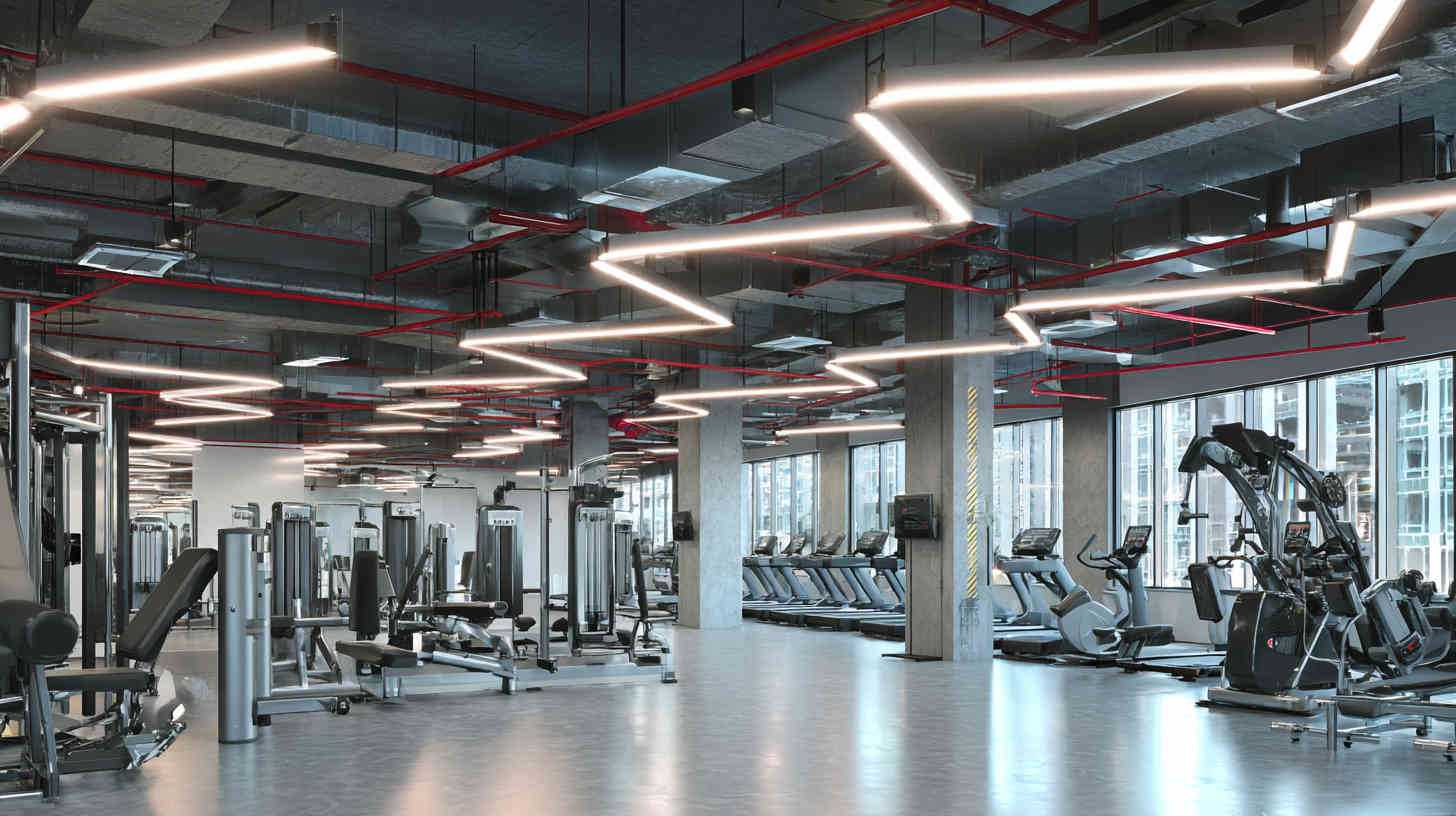
Gym lighting is more than just brightness—it’s about creating a motivating, safe, and energy-efficient environment. The best lighting for gym spaces uses LED technology, providing the right gym lighting levels, color temperature, and uniformity to enhance workouts. Commercial gym lighting ideas range from high bay fixtures for large gymnasiums to modern gym lighting designs for boutique fitness studios. Proper planning ensures long-lasting performance, reduced energy costs, and an inspiring workout atmosphere for athletes and fitness lovers alike.
Now, let’s explore everything you need to know about gym lighting in detail.
Table of Contents
What is Gym Lighting?
Gym lighting is more than just putting bulbs in the ceiling—it’s about creating the right environment for performance, safety, and motivation. Every workout space has different needs, and the right lighting setup helps athletes push harder, members feel comfortable, and trainers work more effectively.
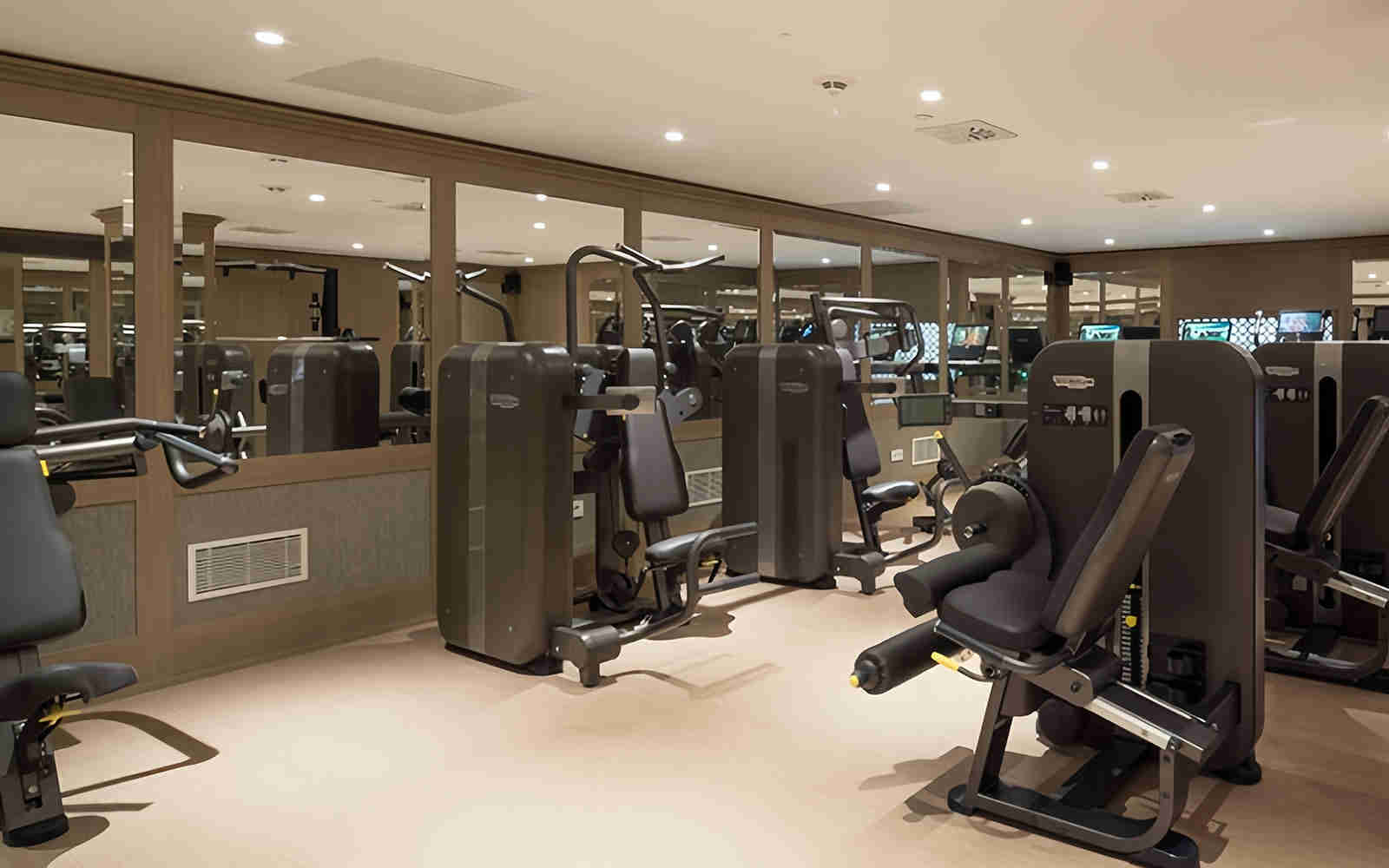
In commercial gyms, the lighting must adapt to multiple zones. Cardio areas, for example, require bright and evenly distributed lighting so people on treadmills, bikes, and ellipticals can see clearly without glare. Weightlifting zones often need slightly more focused, powerful lighting to highlight equipment and improve visibility for safe lifting. Group fitness rooms, like those used for spinning or aerobics, need flexible lighting that can change with the mood—bright for high-energy sessions, dimmable for relaxed cool-downs.
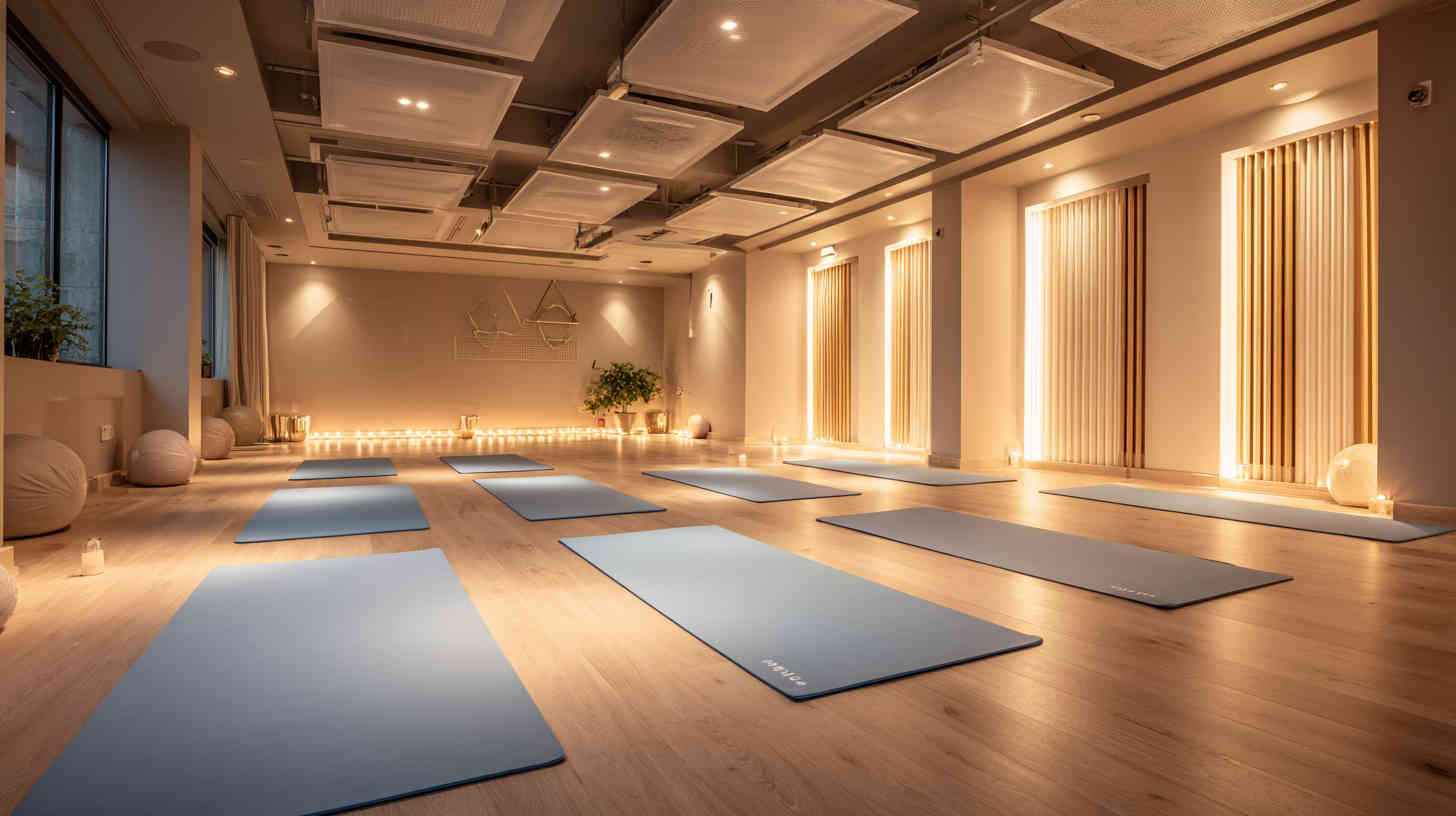
For yoga, pilates, or meditation rooms, softer, warmer-toned lighting creates a calm atmosphere, helping participants relax and focus. Locker rooms, on the other hand, need practical lighting—uniform, shadow-free brightness that makes mirrors effective and ensures safety.
Modern gyms overwhelmingly use LED lights because they offer the best combination of energy efficiency, long lifespan, and design flexibility. LEDs can provide high lumen output for large spaces like basketball or volleyball courts while also being dimmable for more intimate workout areas. They consume up to 70% less power than older fluorescent or metal halide systems, lowering operating costs significantly.
Good gym lighting does more than just illuminate a space—it shapes the entire workout experience. The right balance of brightness, color temperature, and placement enhances performance, prevents accidents, and sets the mood for each activity zone. This is why lighting design is a crucial part of any professional gym setup.
What are the Lighting Requirements for a Gym?
The lighting requirements for gyms depend heavily on the type of space and the activities taking place. A one-size-fits-all approach doesn’t work here because a yoga studio doesn’t need the same intensity as a basketball court.
For general workout and fitness areas, a lighting level of 300–500 lux is the accepted standard. This range provides clear visibility without creating glare, allowing gym-goers to exercise safely and comfortably. In areas where sports like basketball, volleyball, or badminton are played, the requirements increase to around 500–750 lux to ensure athletes can track the ball, see markings, and react quickly.
When it comes to professional competition venues, the standards are even higher. Broadcast-level facilities often require lighting levels of 1000 lux or more. This isn’t just about giving players excellent visibility; it’s also about ensuring cameras capture high-quality footage without flicker or distortion.
Uniformity is another critical factor. Lighting must be evenly distributed so there are no dark spots or harsh shadows. Poor uniformity can cause distractions, reduce performance, and even increase the risk of accidents. A uniformity ratio of at least 0.6 is generally recommended for gym spaces.
Color rendering also plays a key role. A CRI (Color Rendering Index) of 80 or higher ensures that colors appear natural and accurate. This matters for sports where players must distinguish uniforms, court markings, or equipment quickly. In gyms with mirrors, like weightlifting areas or dance studios, good CRI improves visibility and accuracy in movement correction.
In short, gym lighting requirements are about more than raw brightness. The right setup balances lux levels, uniformity, and CRI to create an environment that supports both physical performance and the overall experience of users. Done properly, it enhances safety, motivation, and the professional image of the facility.
Key Considerations for LED Gym Lighting
Designing lighting for gyms goes beyond just hanging fixtures on the ceiling. Several critical factors need to be addressed to create a space that is safe, comfortable, and energy-efficient.
First, energy efficiency is at the top of the list. Gyms run long hours, often from early morning until late at night, so electricity bills can add up quickly. LED fixtures are a game-changer here, cutting energy use by up to 70% compared to fluorescent tubes or metal halide lamps. This means huge savings every month while also lowering the facility’s carbon footprint.
Second, glare control is essential. Imagine trying to lift weights or shoot a basketball under harsh, blinding lights—it’s not only uncomfortable but also dangerous. Gym lighting should use optics, diffusers, or anti-glare designs that spread light evenly and prevent direct glare into the eyes of users.
Third, flexibility is key because gyms serve multiple purposes. A fitness class, a yoga session, and a basketball game all require different light levels. Adding dimmable LEDs or smart control systems allows you to adjust brightness based on activity. This adaptability improves user experience and saves additional energy when full brightness isn’t needed.
Fourth, durability and low maintenance should not be overlooked. High ceilings in gyms and sports halls make replacing fixtures a difficult and costly job. LEDs with lifespans of 50,000+ hours reduce maintenance headaches and keep the lights on consistently without frequent replacements.
Lastly, safety and compliance with international standards must be guaranteed. Lighting should meet the lux levels and uniformity ratios required for the type of activities performed in the gym. Fixtures also need certifications such as CE, RoHS, or UL to ensure safe operation.
By combining efficiency, comfort, flexibility, durability, and safety, LED gym lighting delivers the perfect balance. It not only enhances athletic performance but also keeps operating costs low and creates an inviting atmosphere for everyone using the facility.
Types of LED Lighting for Gyms
Gyms are not one-size-fits-all spaces, and neither is their lighting. The right choice of LED fixture depends on the function and layout of each zone within the facility.
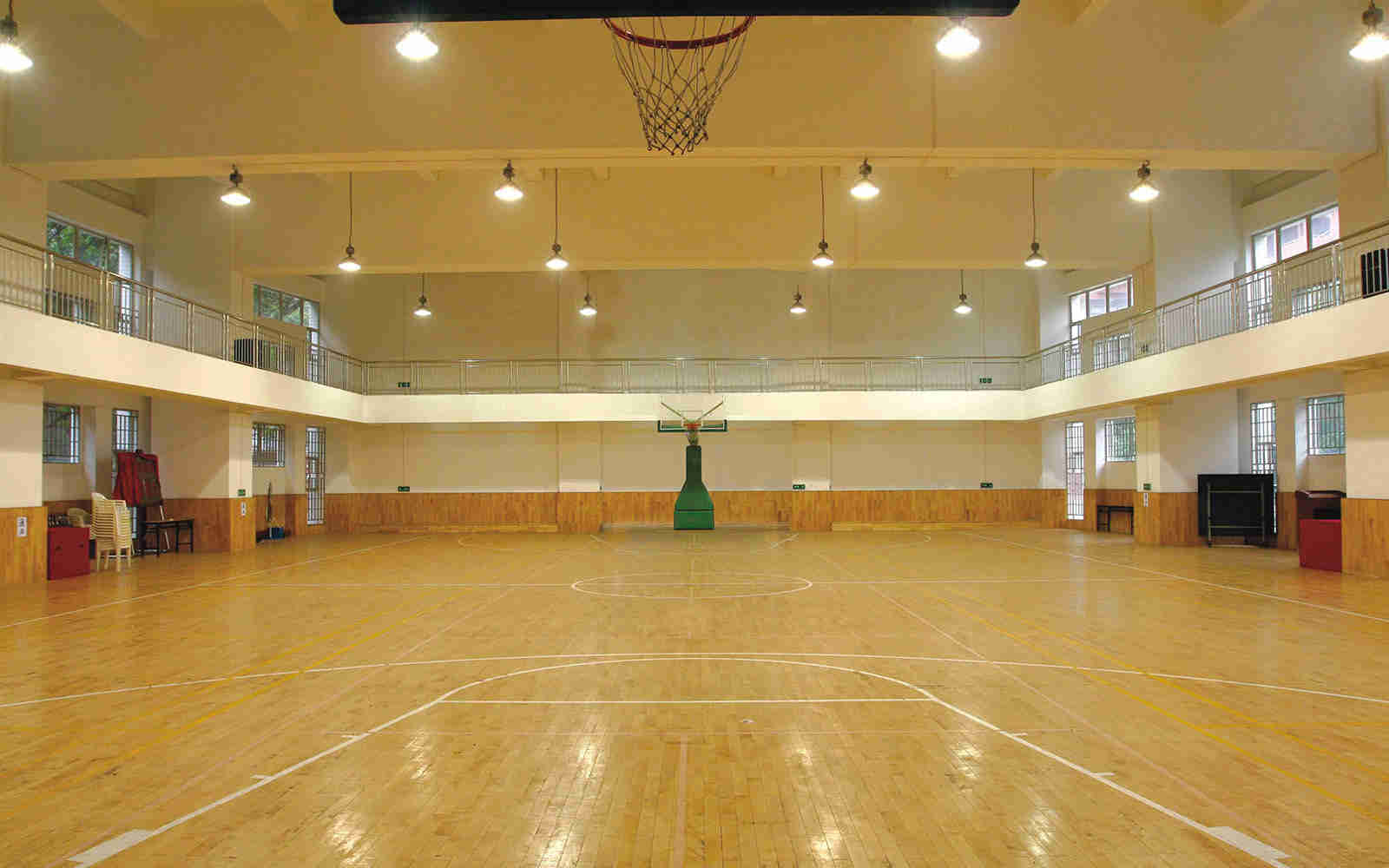
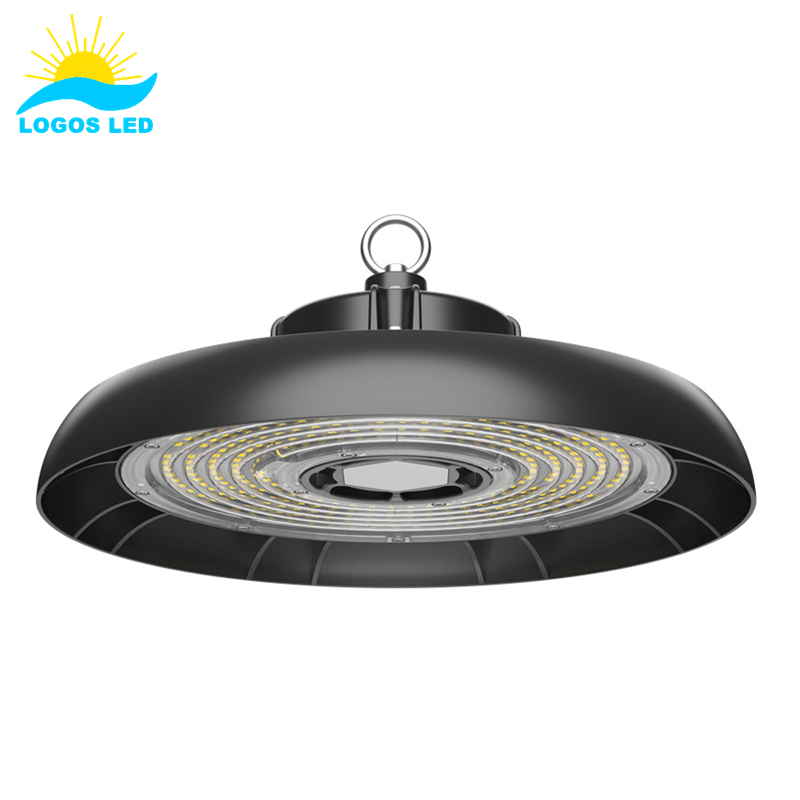
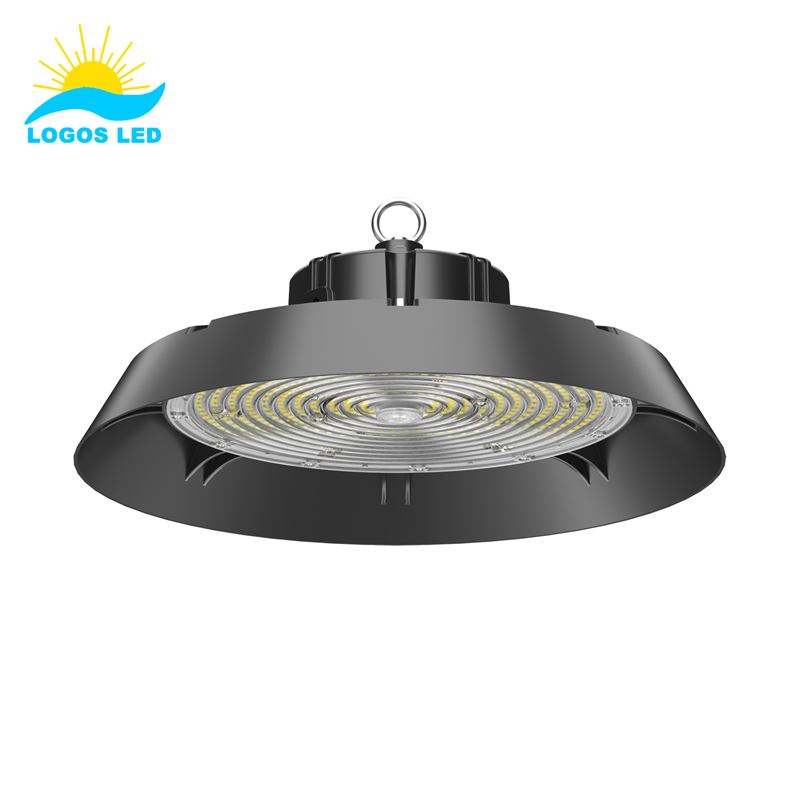
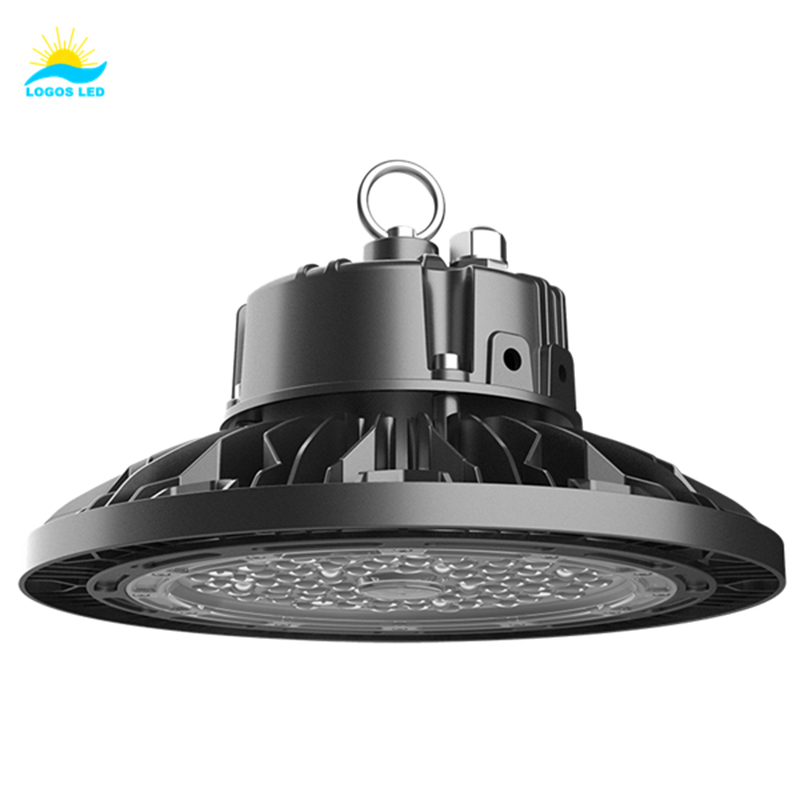
High bay LED lights are the go-to option for large gymnasiums with ceilings higher than 6 meters. These fixtures are powerful enough to push light down to the floor evenly, ensuring that courts and open training areas are properly illuminated without shadows. They are commonly used in basketball courts, volleyball halls, and multipurpose sports arenas.
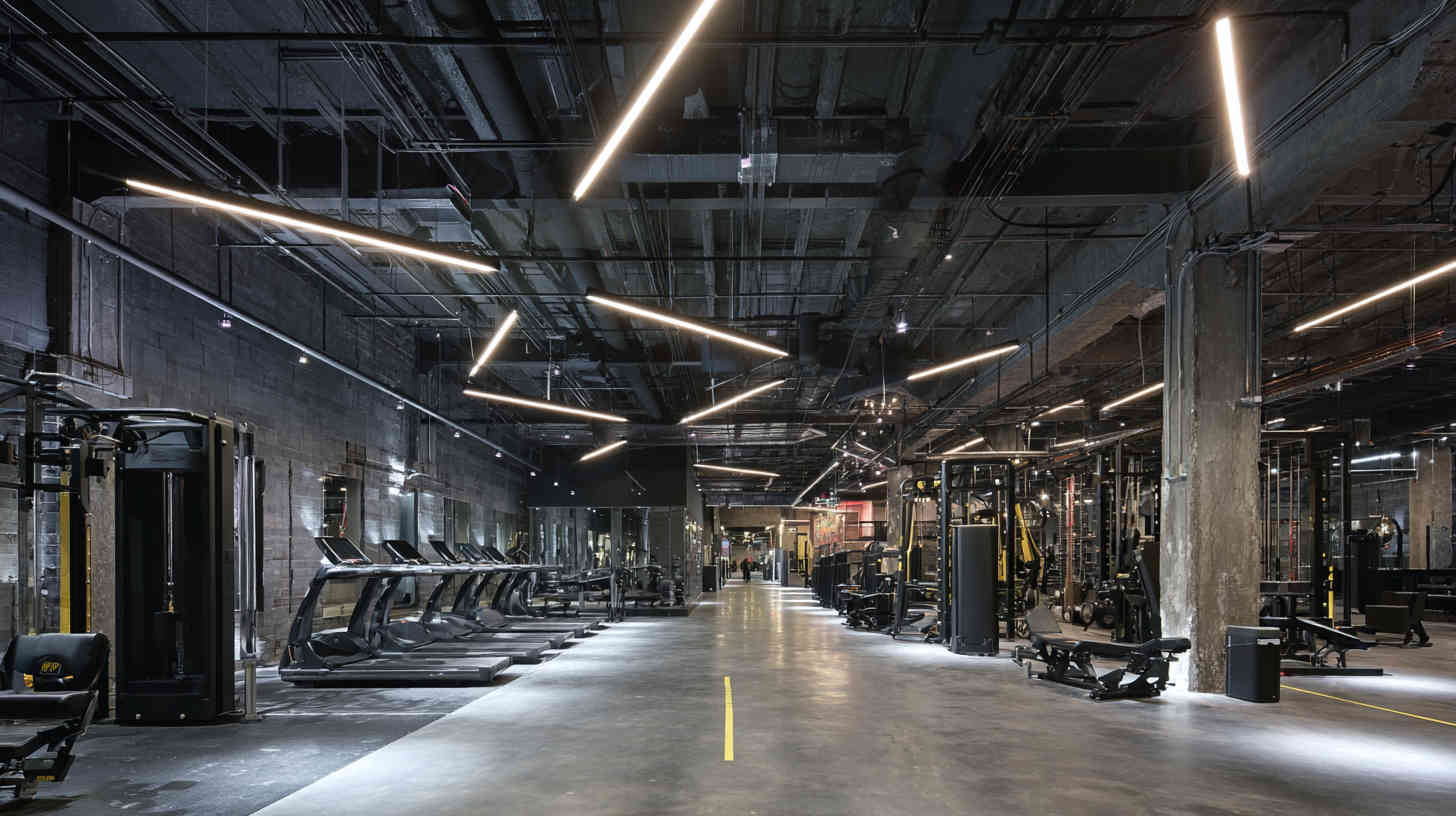
Linear LED fixtures work best in fitness studios, weightlifting zones, and cardio areas. Their elongated shape provides wide, uniform coverage across machines, benches, and mats. This prevents dark corners and creates a bright, motivating environment for workouts.
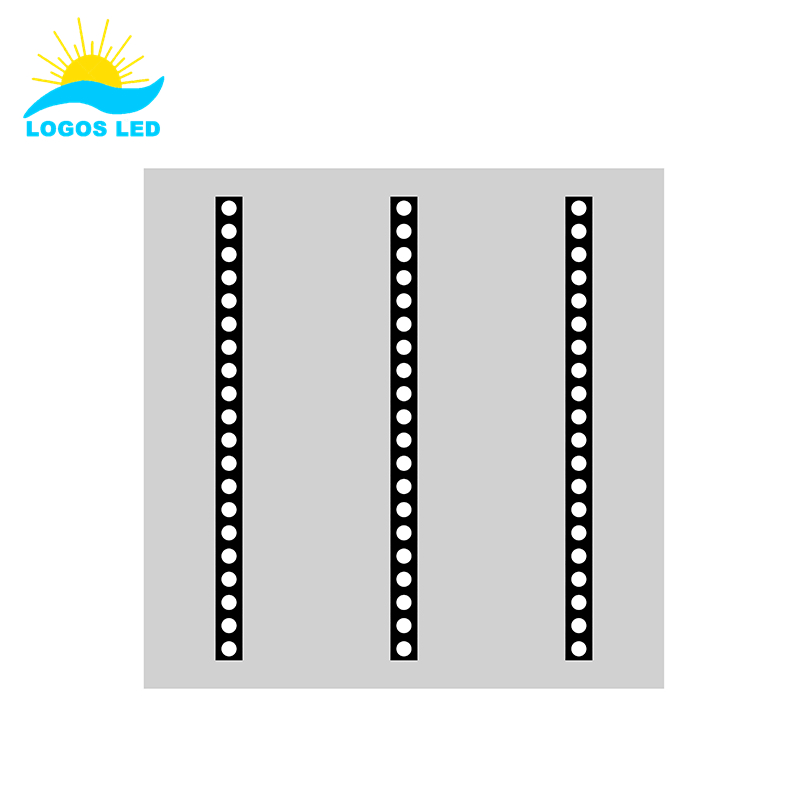
Downlights and LED panels are more suitable for lower-ceiling areas like locker rooms, hallways, and reception desks. These fixtures provide soft, evenly distributed light that enhances comfort and visibility without being overly harsh. Panels in particular are excellent for creating modern, clean aesthetics in office-like areas of the gym.
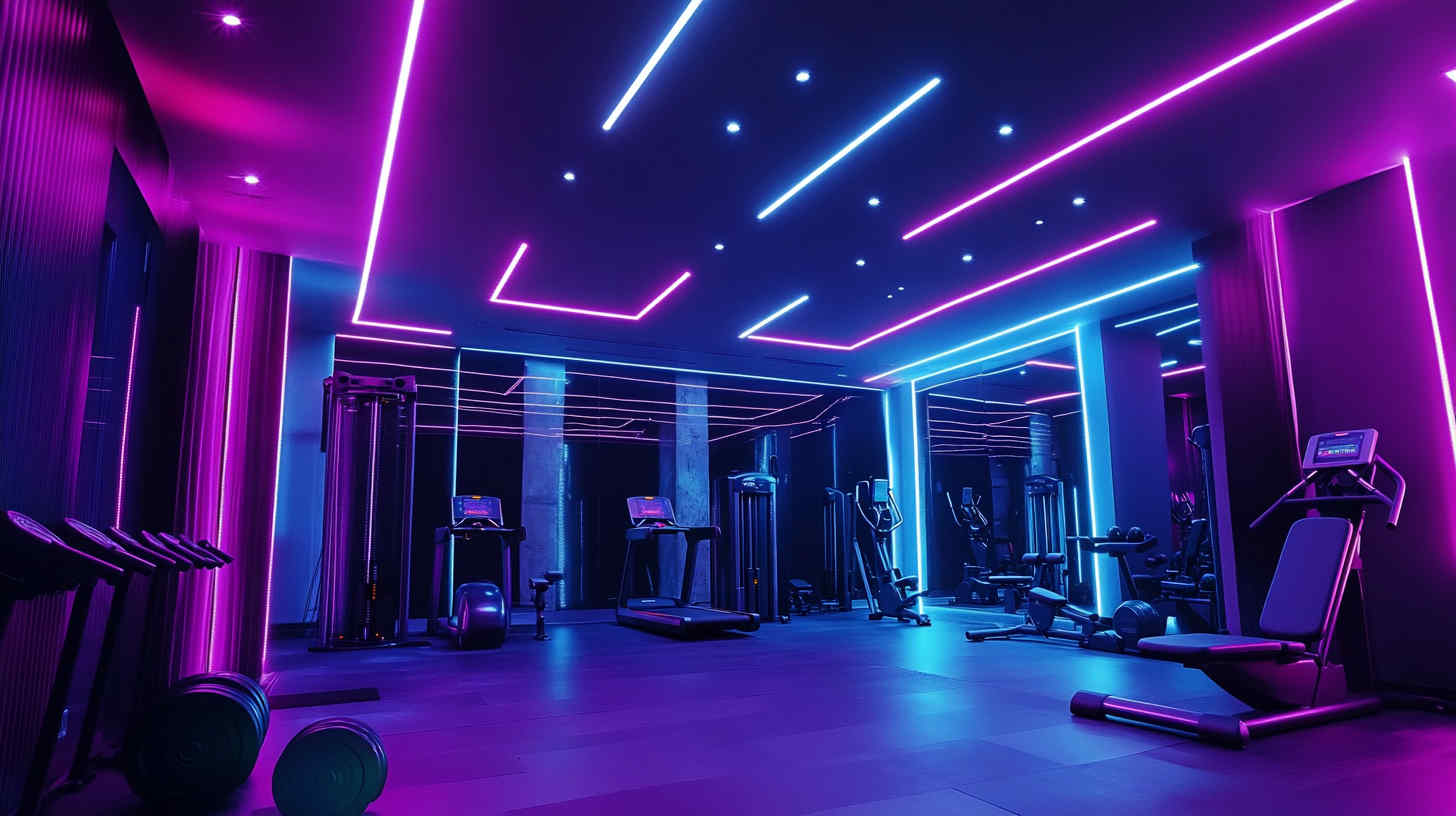
Accent lighting plays a role in boutique gyms and premium fitness centers. LED strips, wall washers, or RGB fixtures can highlight architectural details, mirrors, or branded features. This not only boosts atmosphere but also creates a unique gym identity that members will remember.
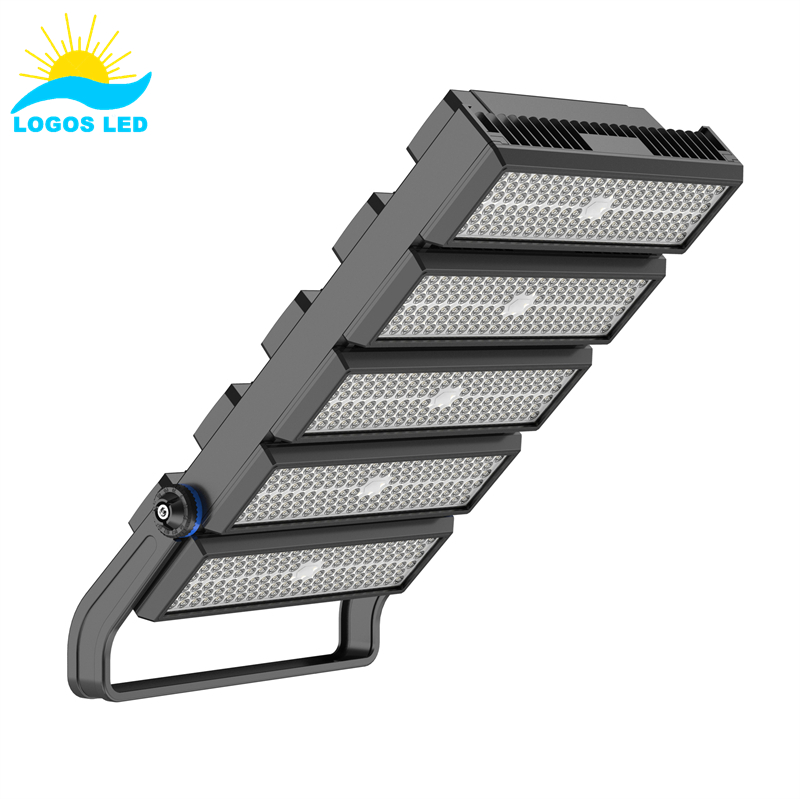
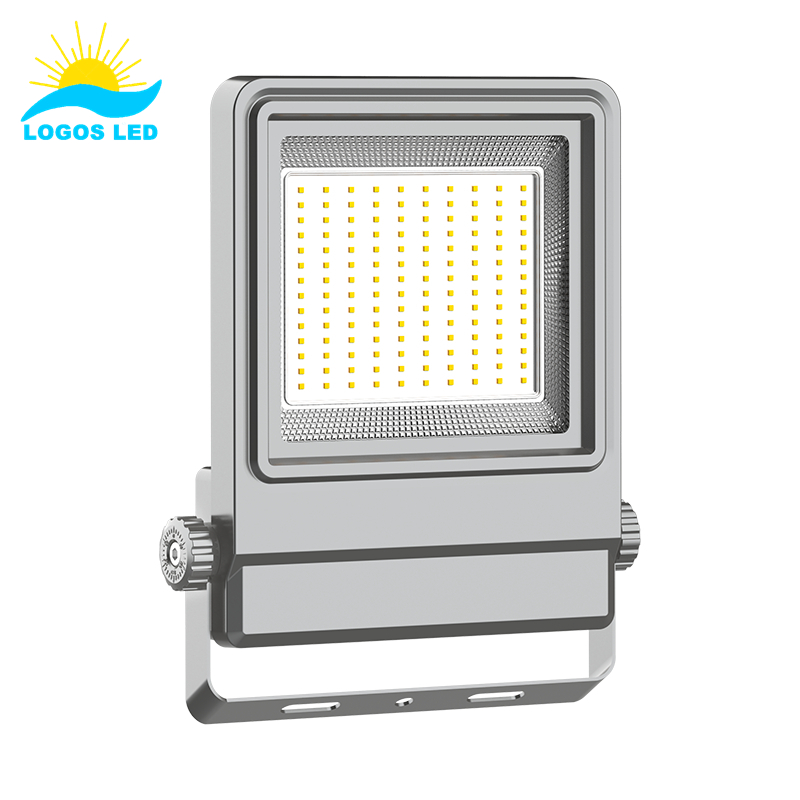
Outdoor areas such as parking lots, training fields, or entryways require a different approach. Here, LED floodlights or vapor-proof fixtures are preferred. They are built to handle rain, dust, and extreme temperatures while still delivering bright, reliable light.
By matching the fixture type to the function of each area, gyms can create spaces that are safe, functional, and visually appealing. Good lighting doesn’t just help workouts—it sets the tone for the entire fitness experience.
LED Gymnasium Lighting Features
LED gymnasium lights are built to handle demanding environments while delivering top performance. One of the main features is their high lumen output, which ensures that large spaces like basketball courts, volleyball arenas, or indoor tracks are always bright enough for safe play and training. Without sufficient brightness, visibility suffers, making both performance and safety an issue.
Flicker-free drivers are also essential. In older lighting systems, flickering could cause eye strain, headaches, or problems with video recordings. With modern flicker-free LED drivers, players, coaches, and broadcasters can all enjoy consistent, stable light—ideal for training sessions, competitions, or content creation.
Durability is another big factor. Many gyms include humid areas such as swimming pools or steam rooms, where lighting must resist moisture and dust. That’s why LEDs with waterproof and dustproof ratings of IP65 or higher are recommended. They keep working even in harsh conditions without frequent replacements.
Long lifespans are another defining feature. High-quality LED gym lights can last 50,000 hours or more, meaning fewer interruptions, less maintenance, and lower costs for facility managers. This reliability makes them a smart long-term investment.
Finally, dimmable options give gyms greater control. Bright, intense light is perfect for fast-paced workouts, tournaments, or large gatherings, while softer levels create a calming atmosphere for yoga, stretching, or relaxation areas. Some advanced systems even integrate with smart controls, allowing schedules and brightness levels to be set automatically.
All of these features combine to make LED gymnasium lights more than just a lighting choice—they’re a performance tool, helping athletes, trainers, and members get the most from every session.

How to Setup Good Gym Lighting?
Setting up proper gym lighting is not just about installing a few fixtures—it’s about creating a system that balances safety, performance, and energy efficiency. The first step is to analyze the gym layout carefully. Each area has different requirements. For example, a basketball or volleyball court needs bright, uniform light with no shadows, while a yoga room benefits from softer, calming illumination.
Next, determine the lux levels needed. General fitness areas often require 300–500 lux, sports courts may need 500–750 lux, and competition spaces can go above 1000 lux. Once the required levels are set, plan fixture placement to ensure even coverage. Poorly positioned lights often create shadows or bright spots that can distract athletes or cause safety hazards.
When selecting fixtures, match the type of light to the space. Wide beam angles work best for large open areas such as gymnasiums or cardio sections, while narrow beams are better for weightlifting zones, climbing walls, or group training studios where targeted lighting helps focus activity.
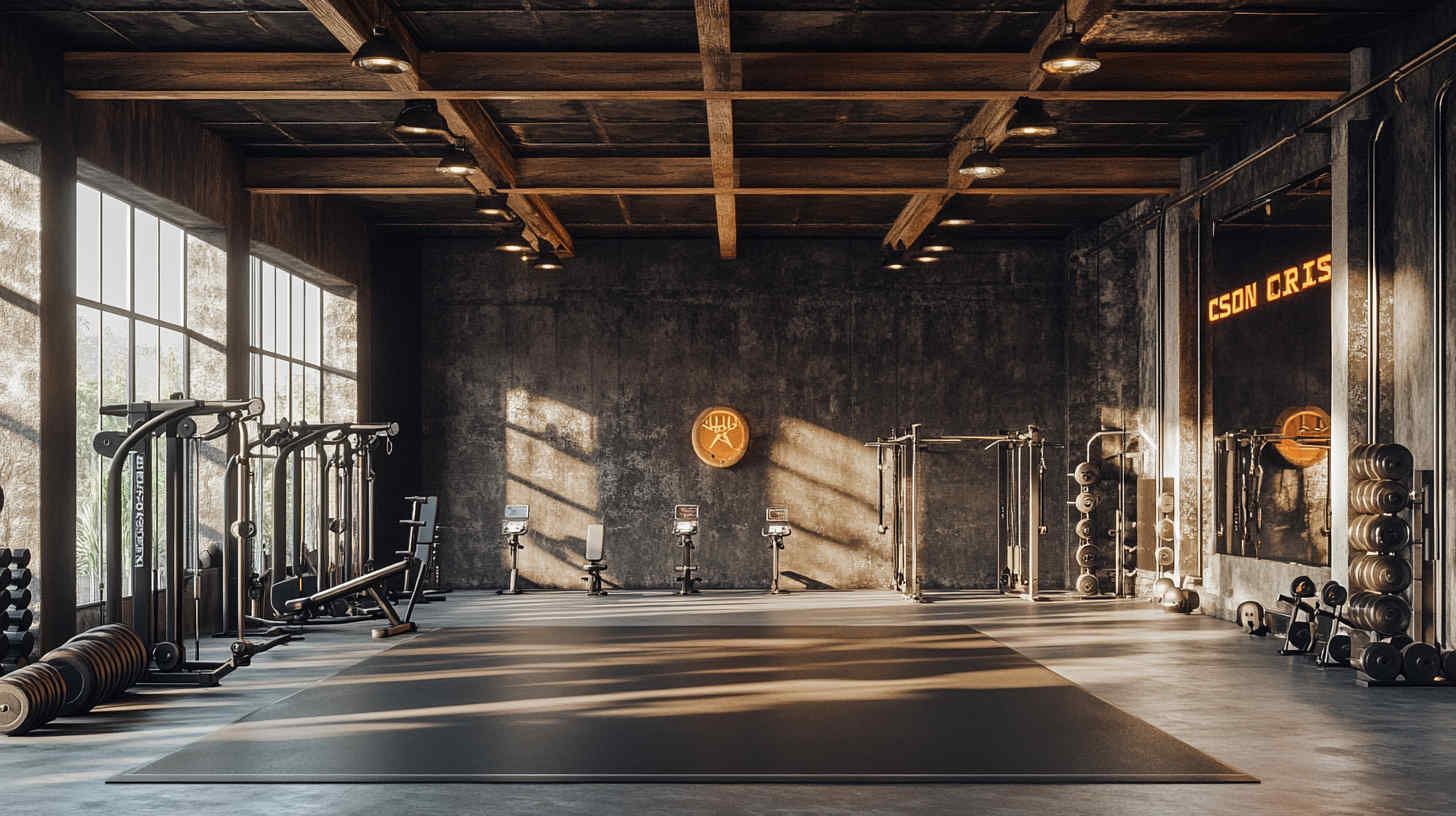
Natural light should also be considered. If your gym has windows, skylights, or glass walls, integrate daylight into the design. This reduces energy use during the day and creates a more pleasant environment. Artificial lighting can then be used to balance or enhance brightness when natural light is insufficient.
Control systems play an important role in flexibility. Installing dimmers, timers, or smart controls allows gyms to adjust lighting levels depending on the activity. For example, bright light during peak training hours can be dimmed in the evening for stretching or relaxation classes, cutting unnecessary energy costs.
Finally, always test the lighting once it’s installed. Walk through each area to ensure brightness is consistent, glare is minimized, and visibility is clear from every angle. Ask for feedback from gym users—they’re the ones who will notice if the lighting feels uncomfortable or inadequate.
A well-planned gym lighting setup not only makes workouts safer but also boosts motivation, enhances the atmosphere, and gives the facility a professional look.

How To Design The Layout of LED Gym Lighting?
Designing the layout of LED gym lighting is about creating a system that delivers both visual comfort and practical performance. The first step is to divide the gym into zones—cardio areas, weightlifting zones, group fitness studios, courts, and supporting spaces like locker rooms and receptions. Each area has unique lighting needs. Cardio zones benefit from bright, motivating light, while yoga or stretching areas require softer, calmer tones.
Once zones are mapped, determine the lux levels required. General fitness areas usually need 300–500 lux, courts and competitive zones may demand 500–1000 lux, and specialty spaces like yoga rooms can function well with 200–300 lux. Matching the light levels to the activity ensures comfort and safety for users.
Placement of fixtures is critical. Lights should be installed to minimize shadows and glare. This is especially important in weightlifting areas, where shadows on equipment can cause accidents. For basketball or volleyball courts, fixtures must be aligned along the sidelines or ceiling so players are not blinded during play. Angling the lights correctly reduces glare while maintaining strong illumination across the playing surface.
Ceiling height also shapes fixture selection. High bay LED lights work best for gymnasiums or courts with tall ceilings, as they deliver powerful illumination over large areas. In contrast, LED panels or downlights suit spaces with lower ceilings, offering uniform coverage without overwhelming brightness. Accent lighting can also be included to enhance the atmosphere in boutique gyms.
Before finalizing the design, use simulation software or a photometric study. These tools create a virtual model of the space, showing how light will spread, where shadows might fall, and whether the design meets required lux levels. This step helps avoid costly mistakes and ensures the layout performs as expected once installed.
The end goal of gym lighting design is not just brightness, but balance—providing the right light in the right place, making workouts safer, more effective, and more enjoyable for every user.

Factors To Consider Before Buy LED Lighting for a Gym
When it comes to choosing LED lighting for a gym, the decision goes far beyond just picking fixtures that look good. A poorly chosen lighting system can affect workouts, increase energy bills, and even create safety risks. That’s why evaluating a few key factors before making a purchase is so important.
The first factor is lumen output. This determines how bright the lights will be in the space. For general workout areas, 300–500 lux is usually sufficient, but courts or competition zones may require much higher levels. Always check that the total lumen output of the fixtures matches the lux level needed for each area of your gym.
The second factor is color temperature. Lighting color directly affects mood and performance. Cool white light in the 4000K–5000K range is ideal for most gyms, as it enhances focus and energy, keeping members alert during training. Warmer tones can be reserved for relaxation or yoga spaces where a softer environment is preferred.
Durability is another major consideration. Gym environments can be tough on fixtures, with high humidity, sweat, and occasional impacts from balls or equipment. Choosing LED lights with strong housings and higher IP ratings (IP54 for general areas, IP65+ for humid or pool zones) ensures they last longer without constant replacements.
Energy efficiency also matters. LEDs already save up to 70% compared to older systems, but opting for certified fixtures, such as those with DLC or Energy Star ratings, guarantees real efficiency and performance. Over time, these certifications translate into significant savings on utility bills.
Finally, think about the true cost of ownership. While cheaper fixtures may seem like a bargain upfront, they often come with higher maintenance and shorter lifespans. Premium LED gym lights may cost more initially, but the combination of energy savings, long service life, and reduced replacement costs makes them far more cost-effective in the long run.
By carefully weighing these factors, you can ensure your gym lighting investment not only brightens the space but also delivers comfort, safety, and savings for years to come.
Maintenance for Gym Lighting
Proper maintenance is what keeps a gym well-lit, safe, and inviting for users. Even though LED fixtures require far less upkeep compared to fluorescent or metal halide lights, they still need regular attention to perform at their best. Ignoring maintenance not only reduces light quality but can also lead to safety risks and higher long-term costs.
The first step is keeping the fixtures clean. Dust, sweat, and grime easily build up on lenses and diffusers in gyms, especially in weight rooms or areas with heavy traffic. This buildup can cut light output by 20% or more. A simple cleaning routine with a soft cloth and mild detergent every few months restores brightness and ensures consistent visibility across the facility.
Next is checking the wiring and drivers. While LEDs last tens of thousands of hours, their drivers are more sensitive and may fail earlier. Inspect connections regularly to prevent power interruptions, flickering, or uneven lighting. Replacing worn-out drivers promptly avoids unnecessary downtime.
Fixture alignment and aiming should also be reviewed. Over time, vibration from equipment, accidental bumps, or even building shifts can change fixture angles. Misaligned lights cause shadows or glare that impact workouts and sports performance. A quick adjustment restores uniformity and visual comfort.
For larger or more advanced gyms, smart monitoring systems are becoming common. These systems automatically detect fixture failures or power irregularities, alerting staff before members even notice a problem. This proactive approach saves time and keeps the facility running smoothly.
Finally, always replace faulty fixtures quickly. Even one dark spot in a weightlifting zone or on a basketball court can create safety hazards. Consistency is key—not just for aesthetics but also for accident prevention.
With a solid maintenance routine, gym owners extend the life of their lighting system, keep energy efficiency high, and maintain a professional atmosphere where members feel comfortable and motivated.
FAQs about Gym Lighting
Can I install LED lights in my existing gym without major renovations?
Yes, in most cases you can. LED fixtures today are designed to be retrofit-friendly, which means they fit right into the same spaces as older fluorescent or metal halide lights. They can often be installed using the same wiring and mounting points, saving both time and money. This makes upgrading to LEDs a smart choice without the need for a full-scale renovation.
How Many Lumens for a Gymnasium?
The lumen requirement depends on the gym’s size and activities. A standard recreational gym typically needs around 50,000 lumens, while larger multi-sport gymnasiums may require 100,000–200,000 lumens to achieve proper brightness. Professional sports venues or facilities with TV broadcasting may demand even higher lumen levels to meet strict visibility and performance standards.
How Much Do Gymnasium LED Lights Cost to Install?
Installation costs vary based on gym size, fixture quality, and lighting standards. A small gym may only need $20,000–$40,000 worth of fixtures, while larger gymnasiums can range from $50,000 up to $100,000 or more. Retrofits tend to be significantly cheaper than new installations because existing poles, mounts, and wiring can be reused. Energy savings also help offset costs over time.
What is the best lighting for a gym?
The best lighting setup combines efficiency, comfort, and performance. LED lights with a color temperature of 4000K–5000K provide bright, neutral light that keeps users energized and focused. A CRI of 80 or higher ensures natural-looking colors, which is important for sports and visual comfort. Uniform coverage without shadows or glare is essential, whether it’s for weightlifting zones, basketball courts, or group fitness rooms. In short, high-quality LEDs tailored to each gym zone deliver the best results.
Conclusion
Gym lighting is not just about brightness—it’s about motivation, safety, and energy savings. From commercial gym lighting ideas to modern gym lighting designs, LED systems deliver the best results. With proper design, installation, and maintenance, gyms can cut costs while keeping athletes inspired and safe.
Want the best gym lighting solutions? Contact us today and let’s design a system that fits your needs perfectly.
Featured Products



Request A Free Quote Now!
Send us a message if you have any questions or request a quote. We will get back to you ASAP!