
Poor basketball court lighting makes the game harder to play, unsafe for athletes, and less enjoyable for spectators. The right LED system solves all of that.
LED basketball court lighting design and cost vary by court size, indoor or outdoor setup, and fixture choice. For new installations, costs typically range from $25,000 to $100,000, depending on pole height, fixture wattage, and design complexity. Retrofitting an existing court can cost between $15,000 and $60,000. Meeting basketball lighting standards for lux levels, glare reduction, and uniformity ensures safe play, clear visibility, and an enjoyable sports experience for everyone.
Let’s break down everything you need to know before you invest.
Table of Contents
The Best Lighting System for Basketball Courts
Choosing the best lighting system for a basketball court starts with knowing whether the court is indoors or outdoors, because each setting demands a different approach.
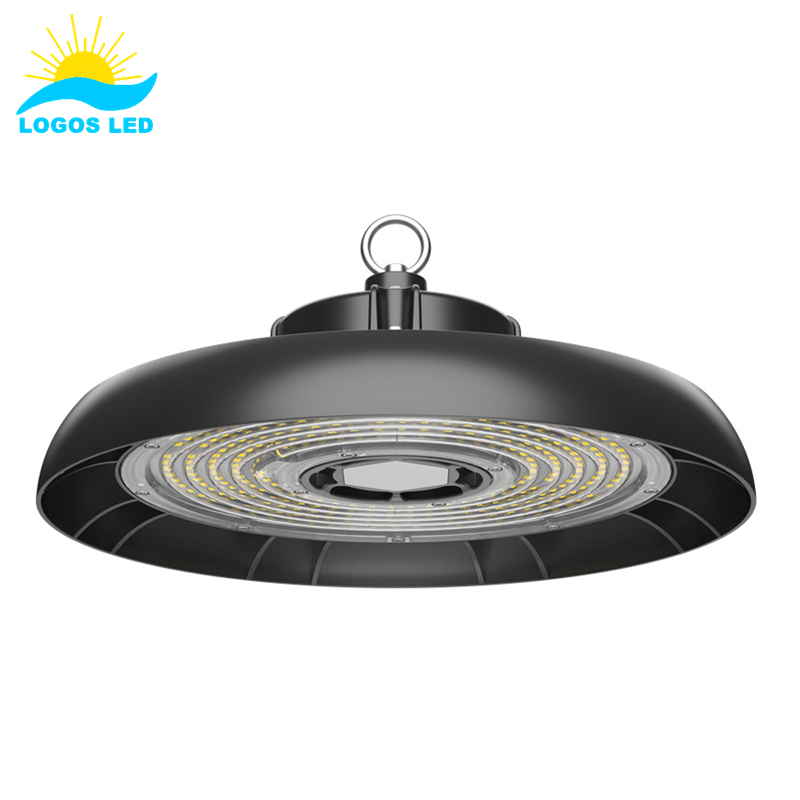
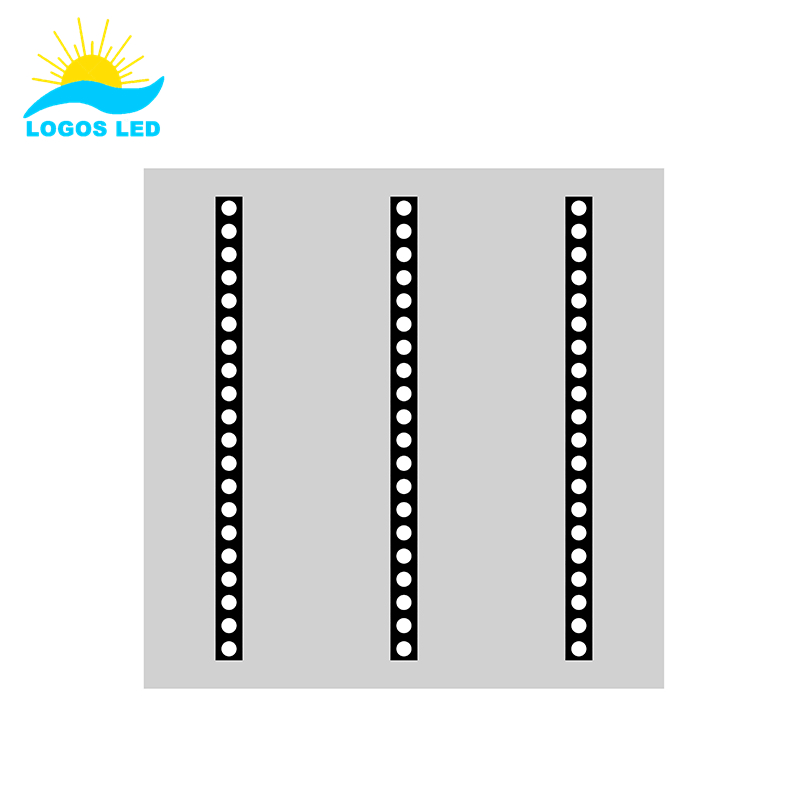
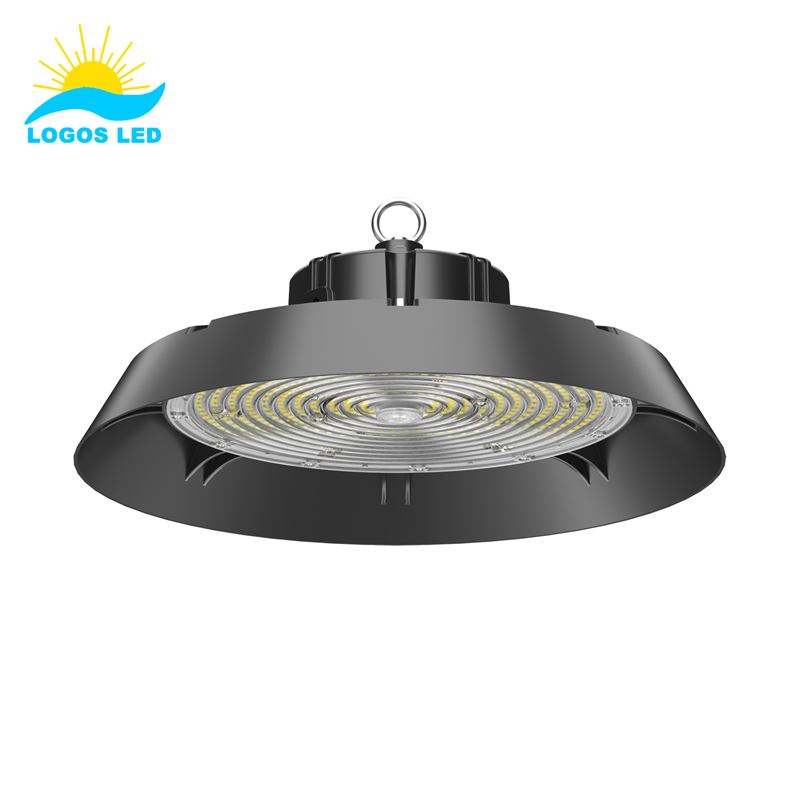
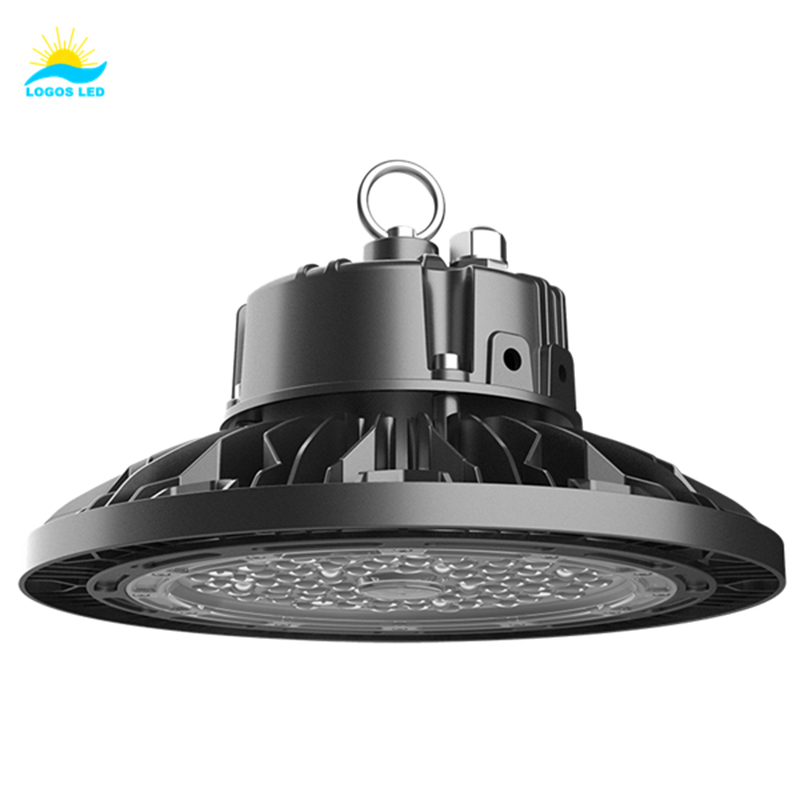
For indoor basketball courts, high bay LED fixtures are the top choice. UFO high bays work well in gyms with high ceilings because their round, compact design delivers powerful, focused light directly down to the court. Linear high bays are ideal for wider coverage, especially in larger facilities, spreading light evenly across the entire playing surface.
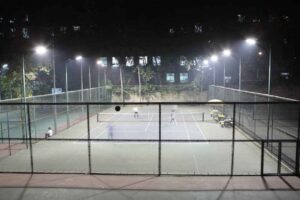
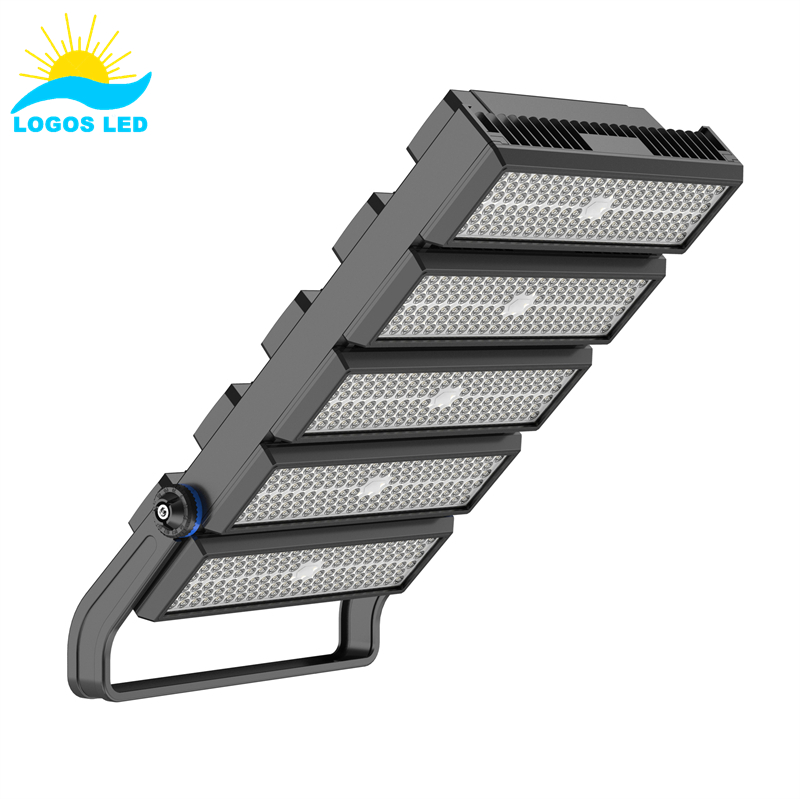
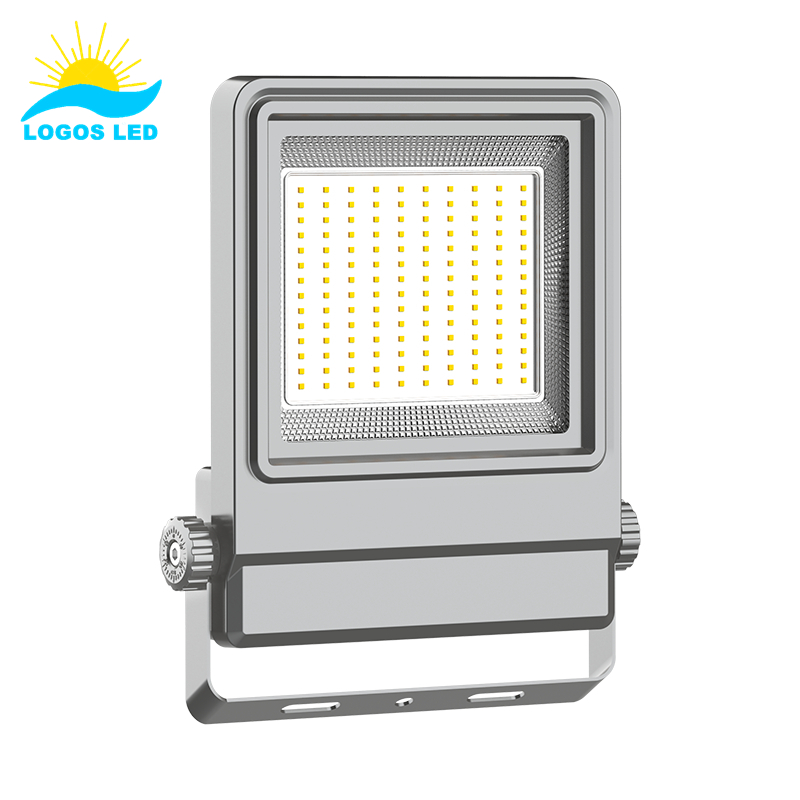
For outdoor basketball courts, LED flood lights mounted on tall poles are the way to go. Poles typically range from 6 to 12 meters in height, with fixtures angled to cover the entire court evenly. Asymmetric beam designs help focus light onto the playing area while minimizing light spill into surrounding areas. Weatherproof housings with at least IP65 protection are essential to handle rain, wind, and dust.
No matter the location, LED lighting provides clear advantages over older metal halide or halogen systems. They deliver high brightness with excellent uniformity, use significantly less power, and can last 50,000 hours or more, reducing replacement and maintenance costs. Adding dimming and control systems allows you to customize lighting levels for different situations—lower for training sessions, higher for competitive games, and fully adjustable for events or special activities.
The right combination of fixture type, mounting height, and beam angle ensures players have clear visibility, the ball is easy to track, and spectators enjoy the game without visual discomfort.

Indoor basket ball lighting
Basketball Court Light Fixture Considerations
Selecting the right LED lights for a basketball court involves more than just picking the brightest option. Several technical factors directly affect game visibility, safety, and long-term performance.
Beam angle is one of the first things to consider. Narrower beam angles around 60 degrees are great for focusing light on specific zones, such as the key or three-point line, without wasting light. Wider beam angles up to 120 degrees help spread light evenly across the entire court, which is especially useful for smaller or enclosed spaces.
Wattage selection should be based on the mounting height and the level of play. For example, recreational indoor courts may require 100–150W LED high bays, while professional or outdoor courts often use 200–400W LED flood lights mounted on tall poles. Choosing the right wattage ensures enough brightness without excessive energy use.
Color Rendering Index (CRI) is another critical factor. A CRI above 80 ensures that colors on jerseys, court markings, and the ball appear accurate and vivid. This not only enhances the viewing experience but also helps referees make better calls.
For outdoor basketball courts, look for fixtures with an IP65 or higher rating to protect against rain, dust, and wind. This ensures reliable performance throughout the year, regardless of weather conditions. Indoor courts can use a lower IP rating, but thermal management becomes more important. Good heat dissipation—through aluminum housings or built-in cooling fins—extends the lifespan of the LEDs and keeps performance consistent.
By balancing beam angle, wattage, CRI, and IP rating, you can achieve a lighting setup that offers excellent visibility, reduces maintenance, and provides a great playing experience for athletes and spectators alike.

Basketball Court Lighting Requirements & Standards
Lighting Design and Requirements for Outdoor Basketball Court
For outdoor basketball courts, proper lighting ensures players can see clearly and react quickly, regardless of the time of day. Recreational play usually requires an average illuminance of 200–300 lux, while competitive matches benefit from higher levels of around 500 lux for sharper visibility. Uniformity should be at least 0.6, meaning the light is evenly distributed across the entire court to prevent players from moving in and out of shadowed areas.
Pole height plays a big role in light distribution and glare control. Poles between 8 and 12 meters are common, with taller poles providing wider coverage but requiring higher wattage fixtures. Each fixture should be angled precisely so that light is directed onto the court rather than into players’ eyes or beyond the boundaries, which helps reduce glare and light pollution. Using asymmetric beam optics can also help focus light where it’s needed most while minimizing spill light into nearby streets or properties.

Lighting Design and Requirements for Indoor Basketball Court
Indoor basketball courts demand higher and more controlled lighting levels due to the enclosed space and reflective surfaces. Training sessions typically require 300–500 lux to provide sufficient visibility without being overly intense. For televised or professional-level games, lighting requirements can reach up to 1500 lux to ensure high-definition cameras capture crisp, clear images without motion blur.
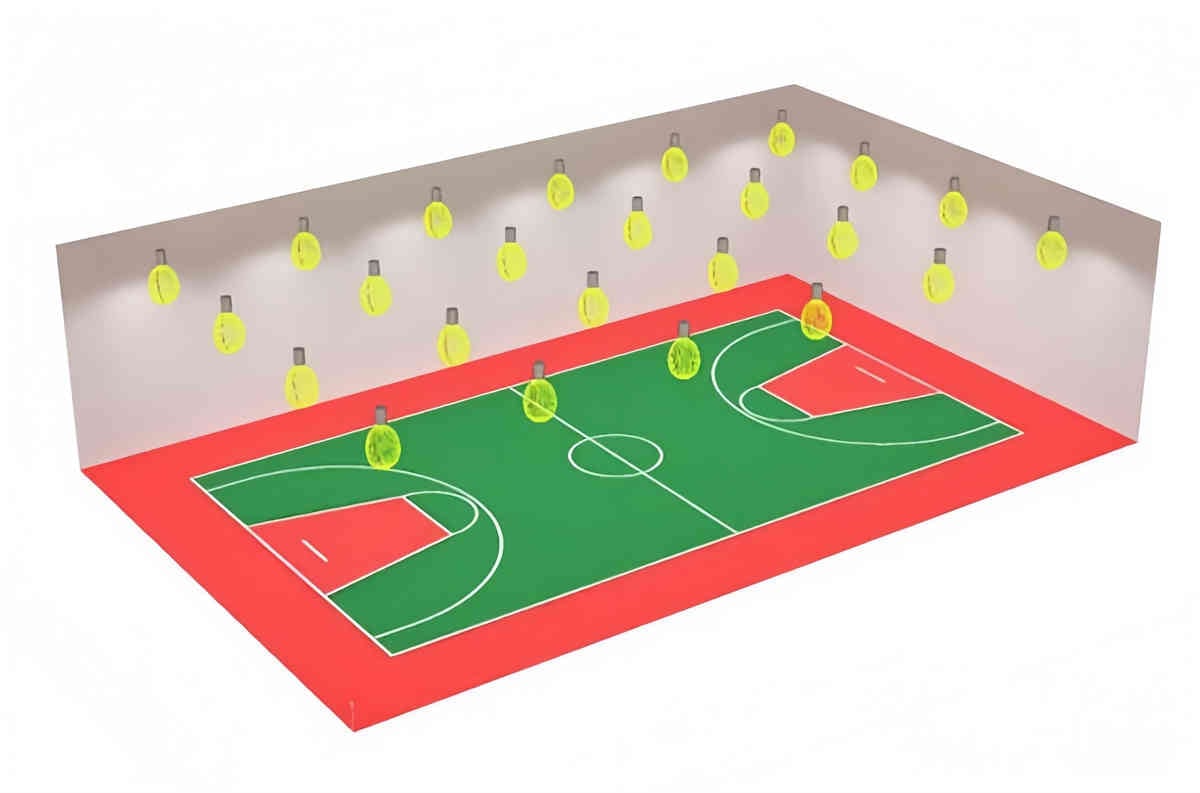
Uniformity is even more critical indoors, as inconsistent lighting can create distracting bright spots or dark patches on the court. Fixtures are generally mounted 7–12 meters above the playing surface, depending on ceiling height and beam spread. Precision aiming is essential to avoid glare, especially for players shooting toward overhead lights. Anti-glare diffusers or specialized reflectors are often used in indoor arenas to keep light comfortable for both players and spectators while meeting the strict requirements for broadcast-quality lighting.
Key considerations for basketball court lighting
Glare Reduction
Glare can seriously affect a player’s ability to track the ball and judge distances, increasing the risk of missed plays or even accidents. To keep glare under control, it’s important to choose LED fixtures with high-quality optics designed to direct light onto the court rather than into players’ or spectators’ eyes. Proper mounting height and aiming angles are also crucial. Using asymmetric lenses or visor shields can further minimize glare without sacrificing brightness, ensuring a comfortable visual environment for everyone.
Color Rendering
Color Rendering Index (CRI) plays a big role in how natural and accurate colors appear under artificial lighting. A CRI of at least 80 is recommended for basketball courts, as it allows players, referees, and audiences to see the ball, uniforms, and court markings clearly. This is particularly important for referees making split-second decisions and for televised games where accurate color reproduction is key for viewers at home.
Flicker-Free Lighting
Flicker in sports lighting can cause eye strain, distraction, and even missed plays. For high-speed basketball games, especially those being filmed, flicker-free LED lighting is essential. It ensures smooth motion capture for cameras and keeps the visual experience seamless for both players and spectators. Look for fixtures with drivers specifically designed to eliminate flicker at all dimming levels.
Energy Efficiency
Switching from metal halide or other traditional lighting systems to LEDs can cut energy consumption by 50–70%. This translates into significant cost savings over time and reduces the facility’s environmental impact. In addition, LEDs generate less heat, which helps lower cooling costs in indoor arenas.
LUX Levels
The amount of light needed depends on the level of play and purpose of the court. For practice courts, 200–300 lux is sufficient. Competitive play requires 300–500 lux to ensure all players can see clearly from every point on the court. Professional and broadcast-level games demand even higher levels to meet camera and broadcast standards.
Proper Placement
Even the brightest lights will fail to deliver good results if they are poorly placed. Correct pole placement and aiming angles are critical for eliminating shadows and ensuring uniform lighting. Poles should be positioned to light the court evenly from multiple angles, with fixtures carefully aimed to balance brightness and prevent dark spots in high-action areas.
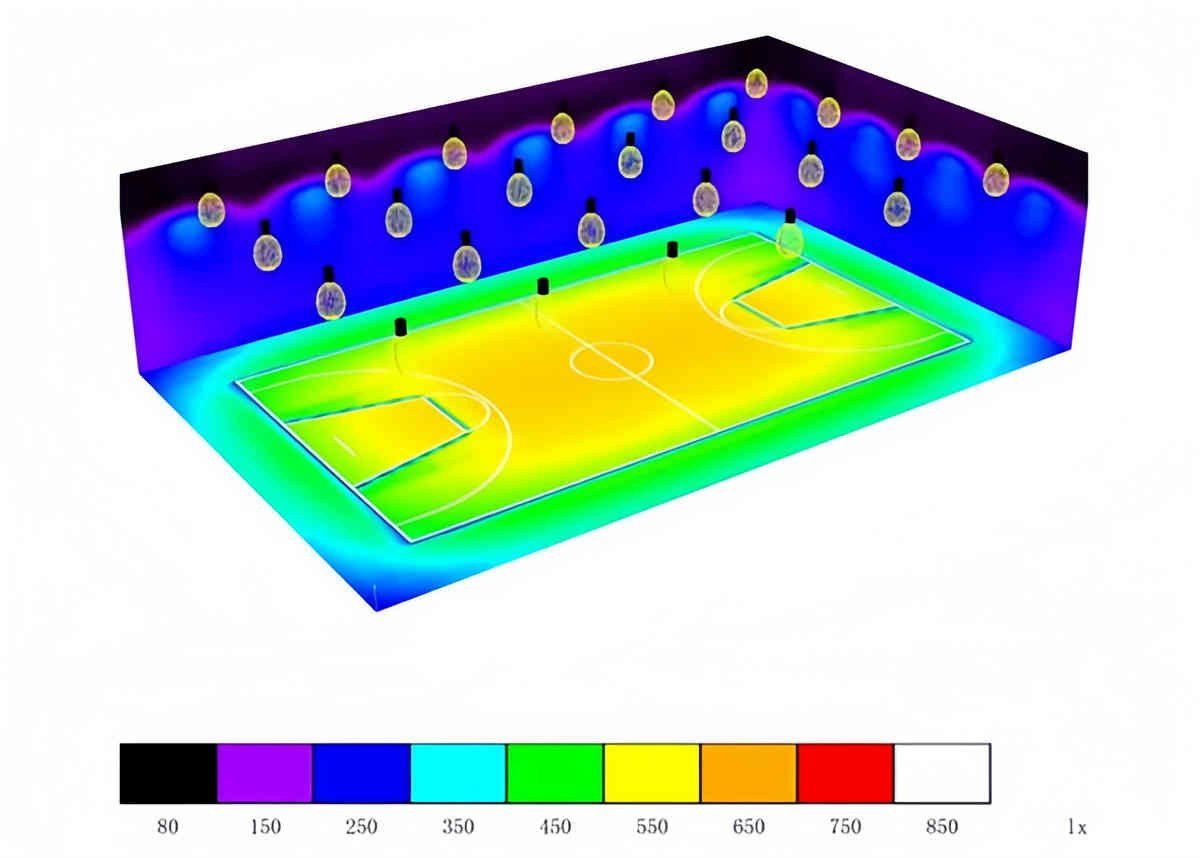
Basketball Court Lighting Design
Cost of LED Basketball Court Lighting New Installation
For a completely new outdoor basketball court lighting setup, you can expect to spend anywhere from $25,000 to $100,000. This typically includes four poles, each fitted with 2–3 high-quality LED flood lights, along with electrical wiring, mounting brackets, and control systems. The wide price range comes from differences in fixture brands, wattage, optics quality, and the performance standards required for the court. Recreational-level courts usually fall toward the lower end, while professional-level installations with higher lux requirements, precision aiming, and premium fixtures land toward the upper range.
Indoor basketball court installations are often slightly less expensive because poles are not needed. However, costs still include ceiling-mounted high bay or linear LED fixtures, robust wiring, and possibly integrated dimming or smart control systems. The final price will also depend on whether the facility requires additional structural work or lighting simulation to meet specific competition standards.
Cost of an LED Lighting Retrofit for a Basketball Court
If you already have poles and infrastructure in place, retrofitting your basketball court with LEDs is far more cost-effective. A retrofit project generally costs between $15,000 and $60,000. This involves replacing older metal halide or halogen fixtures with modern LED units, often keeping the same mounting points and electrical wiring to save on labor and materials.
While this is still a significant investment, LEDs consume far less power—often 50–70% less—and require minimal maintenance over their 50,000+ hour lifespan. The reduced electricity bills and maintenance costs can often pay back the retrofit expense in just 3–5 years. For many facilities, this means better lighting performance, improved energy efficiency, and long-term cost savings without the need for a complete infrastructure overhaul.

How Much Are the Operating Costs of Basketball Court?
The operating costs for basketball court lighting can vary widely based on the type of fixtures, their wattage, and how often the court is used. With LED lighting, the ongoing expenses are significantly lower compared to older metal halide or halogen systems. For instance, let’s take a typical outdoor or indoor court setup with 8 LED fixtures rated at 400 watts each. Running these for 4 hours a day, 20 days per month, would consume around 25.6 kWh per day, or about 512 kWh per month. At an average electricity rate of $0.12 per kWh, that’s roughly $61 per month in electricity costs.
By comparison, if you were using traditional 1000W metal halide lights in the same scenario, the monthly consumption would be over double, pushing your electricity bill toward $150–$200 per month. That means LEDs can save you hundreds—or even thousands—of dollars annually, depending on usage.
Another key cost factor is maintenance. LEDs have lifespans of 50,000+ hours, meaning they can run for many years without bulb replacements or frequent servicing. Metal halide lamps, on the other hand, often require replacement every 2–3 years, with added labor costs for installation. This not only reduces downtime but also lowers overall operational expenses for the facility.

FAQs about LED Basketball Court Lighting
How many lumens to light up a basketball court?
For a standard full-size basketball court, recreational play usually requires between 70,000 and 100,000 lumens. Competitive or professional-level play may need even more, especially if the lighting must meet broadcast standards. The exact lumen requirement depends on the desired lux level, the size of the court, and the efficiency of the fixtures.
What kind of light is best for basketball court?
For outdoor basketball courts, LED flood lights are the most effective option due to their powerful output, durability, and resistance to weather. For indoor courts, high bay LED fixtures—either UFO-style or linear—provide strong, uniform illumination without excessive glare. Both types of fixtures should have the right beam angles and optics to minimize shadows and ensure even light distribution.
How do you calculate lighting requirements?
Start by determining the lux level you need for your specific application. Multiply this lux value by the total playing area in square meters to get the total lumens required. For example, a 28m x 15m court needing 300 lux would require 126,000 total lumens (28 × 15 × 300). Then divide that total lumen requirement by the lumen output of each fixture to figure out how many fixtures you need.
What are the levels of lighting in basketball courts?
- 200–300 lux: Suitable for training and recreational play
- 300–500 lux: Recommended for competitive matches
- 1000+ lux: Required for televised games and professional-level events
How much does a normal basketball court cost?
Building a standard outdoor basketball court can cost anywhere from $25,000 to $100,000. This range depends on factors such as the court surface material, the number of poles, lighting type, and any additional features like seating or fencing.
How is the NBA LED court made?
NBA courts use highly advanced LED lighting systems with high color rendering index (CRI 80–90+), precise aiming for uniform coverage, and flicker-free performance to meet the demands of live TV broadcasts and high-speed camera work. The lighting design ensures players and fans get clear visibility without glare or shadow issues.
How much does an NBA basketball stadium cost?
NBA arenas typically cost hundreds of millions of dollars to build. The lighting system alone can cost several million, depending on the scale of the facility and the requirements for high-quality broadcasting.
How Do LED Lights Differ for Outdoor Basketball Courts vs Indoor Basketball Courts?
Outdoor basketball lighting fixtures need higher IP ratings (IP65 or higher) to protect against rain, dust, and extreme temperatures. They also require more rugged housings to withstand wind and impact. Indoor fixtures, on the other hand, are designed with more focus on glare control, precise light distribution, and integration with the ceiling or roof structure.
Are Linear or UFO High Bay Lights Better for Indoor Basketball Courts?
Both types can work well. UFO high bay lights are compact, lightweight, and quick to install. Linear high bays, however, are better at spreading light evenly across a large rectangular space, reducing dark spots along the sidelines.
How Tall Should Poles Be for Outdoor Basketball Court Lighting?
Pole heights for outdoor basketball courts typically range from 8 to 12 meters. Taller poles help spread the light more evenly, reduce glare for players, and improve visibility on the court. The exact height should be matched with the fixture wattage and beam angle to achieve optimal coverage.

Conclusion
LED basketball court lighting provides bright, uniform, and energy-efficient illumination that enhances game play and safety. Whether you’re upgrading an old system or starting fresh, proper design and quality fixtures make all the difference.
If you need expert advice or a detailed LED basketball court lighting plan, contact Logos Lighting—we’ll help you light your game right.
Featured Products



Request A Free Quote Now!
Send us a message if you have any questions or request a quote. We will get back to you ASAP!