

Poor tunnel lighting creates fear, confusion, and deadly driving mistakes. Accidents rise, traffic slows, and public trust drops. The solution is science-driven tunnel lighting that protects drivers, improves visibility, and maintains psychological comfort.
Tunnel lighting is a safety system, not a cosmetic upgrade. From managing the black hole effect at tunnel entrances to maintaining uniform, glare-free visibility inside, every lighting decision directly impacts driver reaction time, behavior, and survival. Proper tunnel lighting balances luminance, uniformity, adaptation zones, and psychological comfort while meeting strict international standards. With well-designed LED systems, smart controls, and disciplined maintenance, tunnel lighting reduces accidents, improves traffic flow, and ensures reliable performance in the most demanding infrastructure environments.
Let me walk you through how tunnel lighting really works—and why it matters more than most people realize.
Table of Contents
Why Is Tunnel Lighting So Important?
Tunnel lighting isn’t a “nice to have.” It’s a matter of survival and human reaction time. When drivers approach a tunnel in daylight, their eyes are adjusted to extremely high brightness. If the tunnel entrance drops too dark too fast, you get the classic “black hole effect.” To the driver, the entrance looks like a void. Vision collapses for a few critical seconds—and that’s more than enough time for a serious accident.
Once inside the tunnel, lighting has to stay consistent and predictable. Drivers need to clearly see vehicles, lane markings, obstacles, and signs without their eyes constantly re-adjusting. Sudden brightness changes or glare slow reaction time and increase fatigue. Just as important, lighting affects psychology. Poor tunnel lighting triggers anxiety, panic braking, and unstable steering—exactly the behaviors that lead to collisions.
From an infrastructure standpoint, tunnels are high-risk environments with limited escape options. Lighting directly impacts traffic flow, rule compliance, and how fast emergency teams can respond. That’s why tunnel lighting isn’t treated like ordinary road lighting. It’s a specialized engineering system—designed to manage vision, behavior, and safety under the most demanding conditions.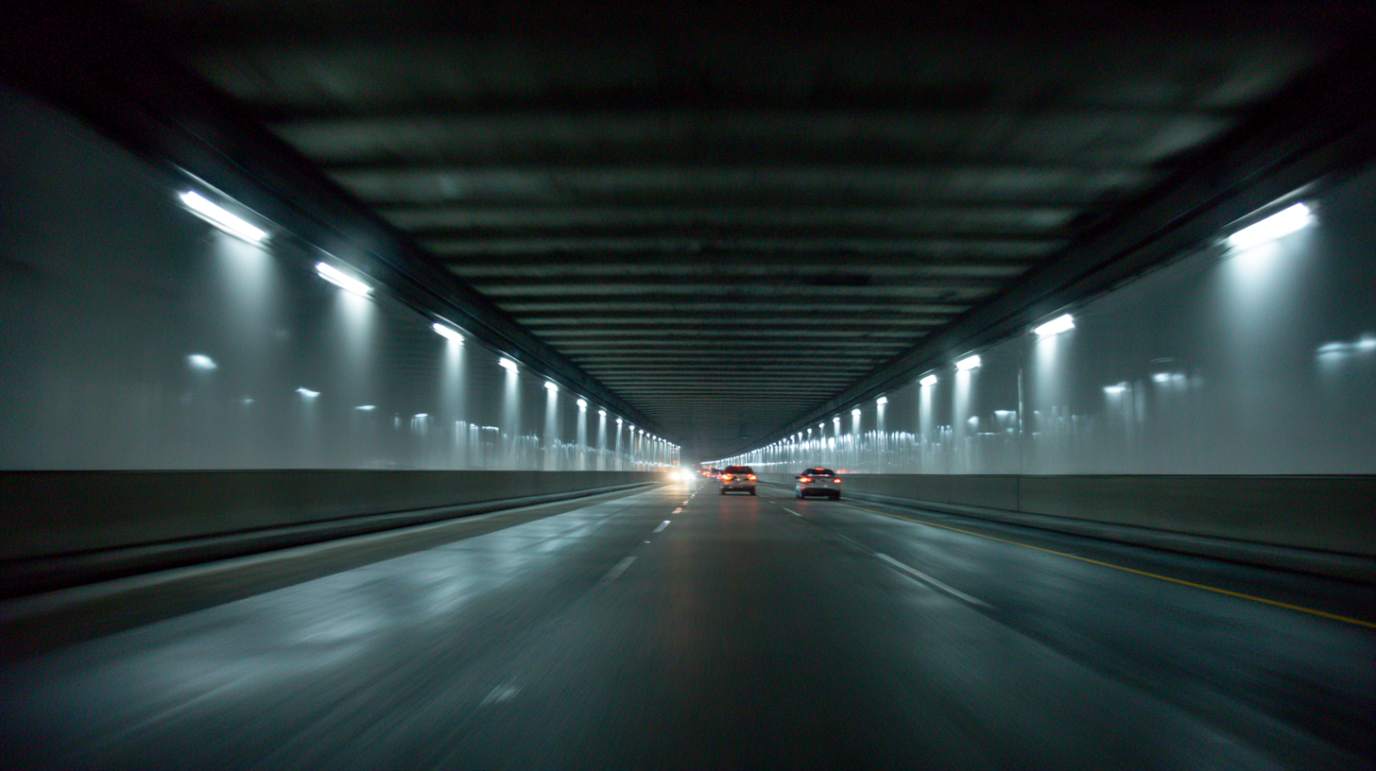
Design Goals and Basic Principles of Tunnel Lighting
When I design tunnel lighting, the first objective is simple: protect human vision while keeping the roadway clearly visible at all times. Tunnels aren’t open roads. They are enclosed spaces where bright daylight suddenly disappears and artificial light takes over. If that transition isn’t controlled precisely, drivers pay the price.
The core principle I focus on is luminance, not just illuminance. What matters is how bright the road, walls, and surroundings look to the human eye—not how many lux hit the pavement. Uniformity is non-negotiable. Light has to be evenly spread across lanes, sidewalls, and ceilings to avoid harsh contrasts that cause visual fatigue and slow reaction times.
Another rule I never ignore is segmentation. Every tunnel is divided into zones: threshold, transition, interior, and exit. Each zone demands a different lighting strategy, based on vehicle speed, tunnel length, and outside daylight levels. On top of that, energy efficiency, ease of maintenance, and system redundancy aren’t optional—they’re built-in requirements, especially for long tunnels or high-traffic routes.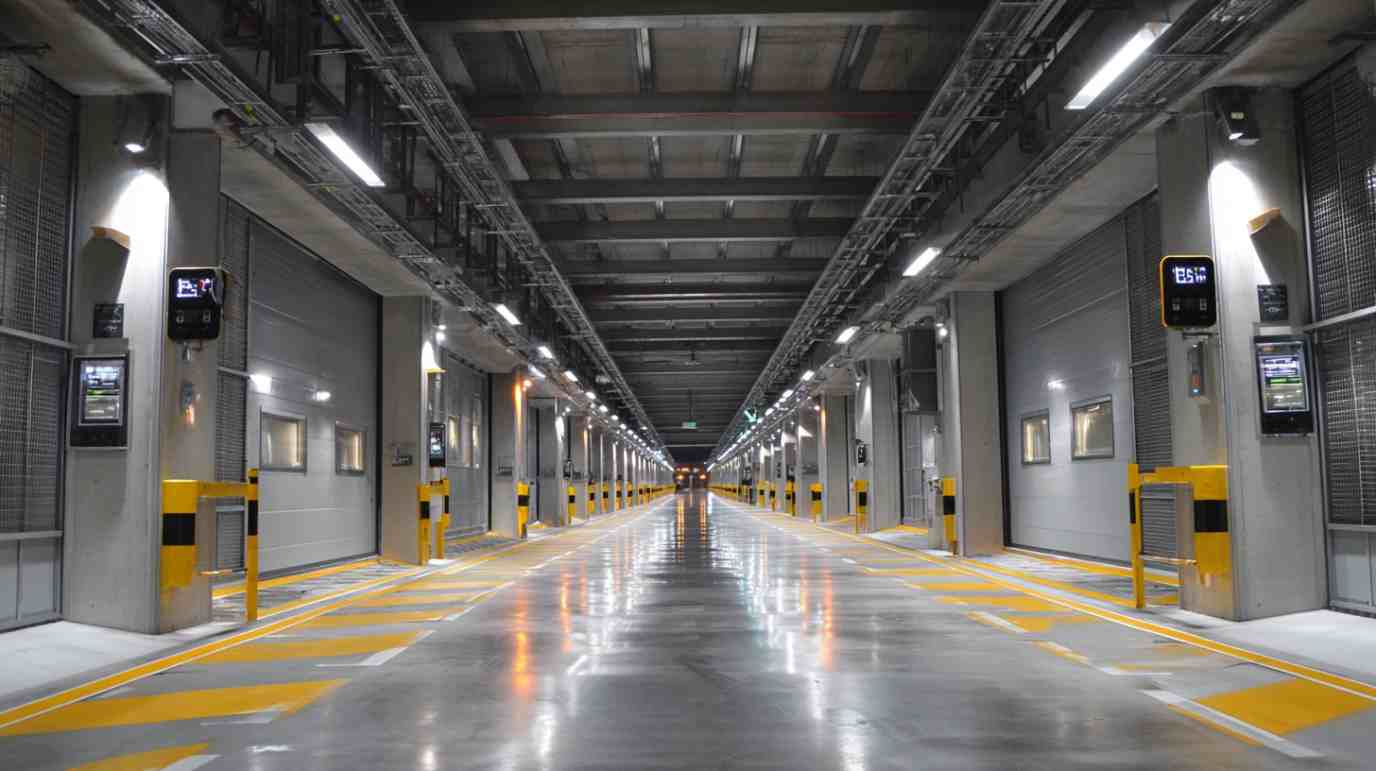
Common Tunnel Lighting Standards
Tunnel lighting standards may differ by region, but the science behind them is the same everywhere. In my work, I reference global authorities like CIE, European EN standards, and IES guidelines in North America. These aren’t theory—they’re the frameworks that real tunnel projects are approved and built on.
These standards clearly define luminance levels for each tunnel zone, glare limits, uniformity ratios, and color rendering requirements. They also spell out emergency lighting performance and backup power rules. More importantly, modern standards now strongly favor LED systems because of their precise control, energy efficiency, and long service life.
When you follow recognized tunnel lighting standards, driver behavior becomes more predictable, accident risks drop, and approval from transport authorities becomes much smoother. From a contractor or lighting engineer’s perspective, mastering these standards isn’t optional—it’s the difference between a compliant, sellable system and a rejected project.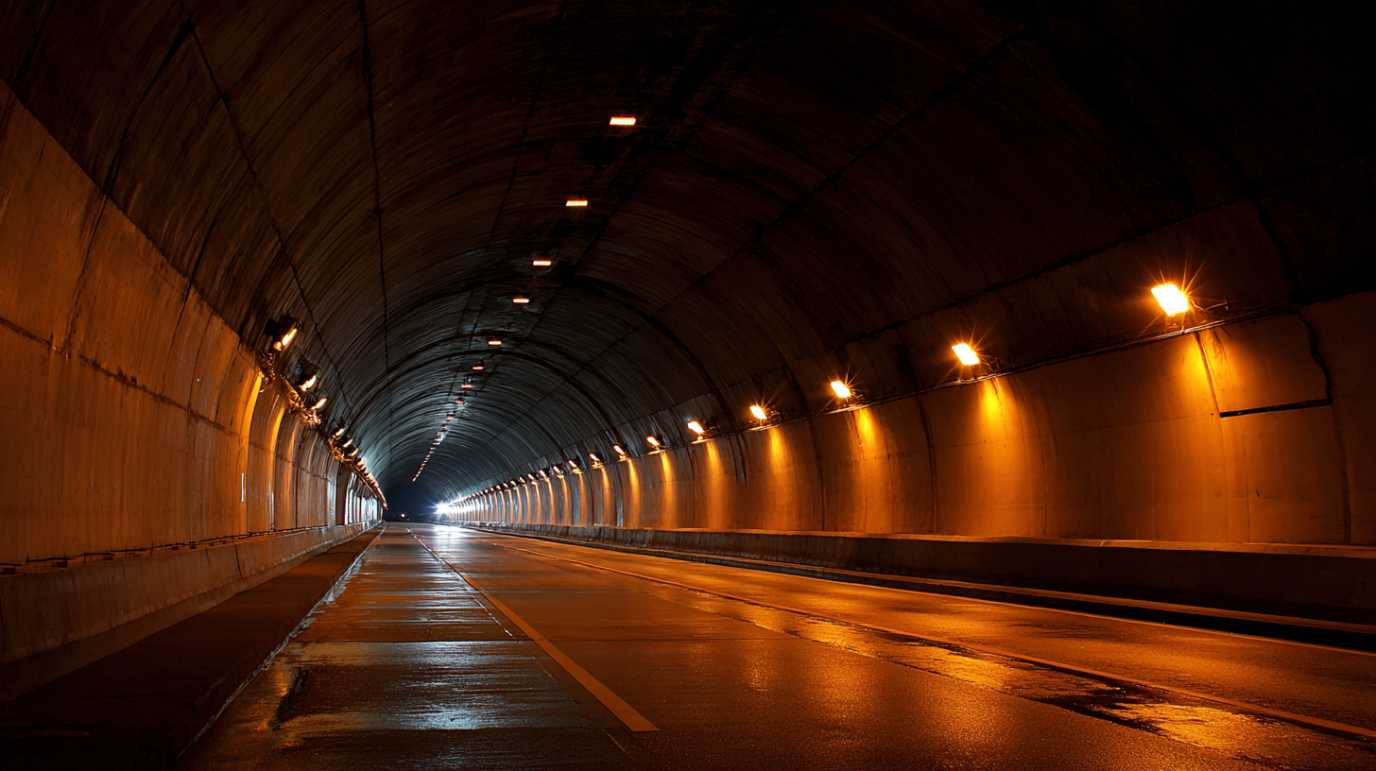
The Science Behind Tunnel Lighting
Uniform Illumination
Uniform lighting is non-negotiable in tunnels. When the road, walls, and surroundings don’t look consistent, drivers’ eyes are forced to keep adjusting. That leads to fatigue, slower reactions, and mistakes. In real tunnel conditions, consistent luminance helps drivers hold speed and stay in their lanes without visual stress.
This is where LED tunnel lighting earns its place. With precise optics, I can control light distribution across wide road surfaces instead of dumping light randomly. We also factor in wall and ceiling reflectance to boost uniformity, which means we achieve better results with less power.
Eliminating Glare
Glare is one of the fastest ways to turn a tunnel into a danger zone. Too much brightness or poor fixture shielding can momentarily blind drivers, especially deep inside the tunnel. Disability glare kills contrast, making vehicles, obstacles, and signage harder to see when seconds matter most.
Real glare control is about discipline. It means correct luminaire placement, tight beam control, and optical lenses that put light exactly where it belongs. High-quality tunnel fixtures are designed to light the road and walls—never the driver’s eyes. That’s not marketing talk; that’s safety engineering.
Adaptation Zones
Human eyes don’t switch brightness instantly. They need time. That’s why tunnel lighting is built around adaptation zones that gradually step drivers from daylight into the tunnel interior. The threshold zone handles the shock of daylight, and the transition zone brings luminance down smoothly.
When this is done right, drivers never experience that moment of blindness. Zone length and brightness aren’t guesses—they’re calculated based on vehicle speed, tunnel direction, and the reflectance of the surrounding environment. This is engineering, not decoration.
Psychological Comfort
Lighting affects behavior, not just visibility. I’ve seen it firsthand. Dark, patchy, or flickering light raises stress levels, causes sudden braking, and breaks driver focus. Bright, balanced lighting does the opposite—it creates calm and control.
Vertical lighting on tunnel walls is especially important. When walls are evenly lit, the tunnel feels wider and more open. That reduces claustrophobic reactions and keeps traffic moving smoothly instead of bunching up.
Emergency Scenarios
In an emergency, tunnel lighting stops being infrastructure and becomes a survival system. During fires or power outages, lighting must clearly guide people to exits, escape routes, and safety signage. That’s why backup power isn’t optional.
Proper tunnel lighting design includes redundancy, batteries, and defined emergency luminance levels. Color temperature consistency also matters—confusing or mismatched light during evacuation can disorient people when clarity is critical.
Maintenance and Longevity
Tunnels are brutal environments. Dust, vibration, moisture, and exhaust gases attack lighting systems every day. Good tunnel lighting design accounts for this with solid thermal management, corrosion-resistant materials, and long operational life.
LED tunnel lighting systems are built to minimize maintenance. Long lifespans and stable output mean fewer closures and lower operating costs. Predictable lumen depreciation keeps lighting performance consistent year after year, which is exactly what operators and authorities want.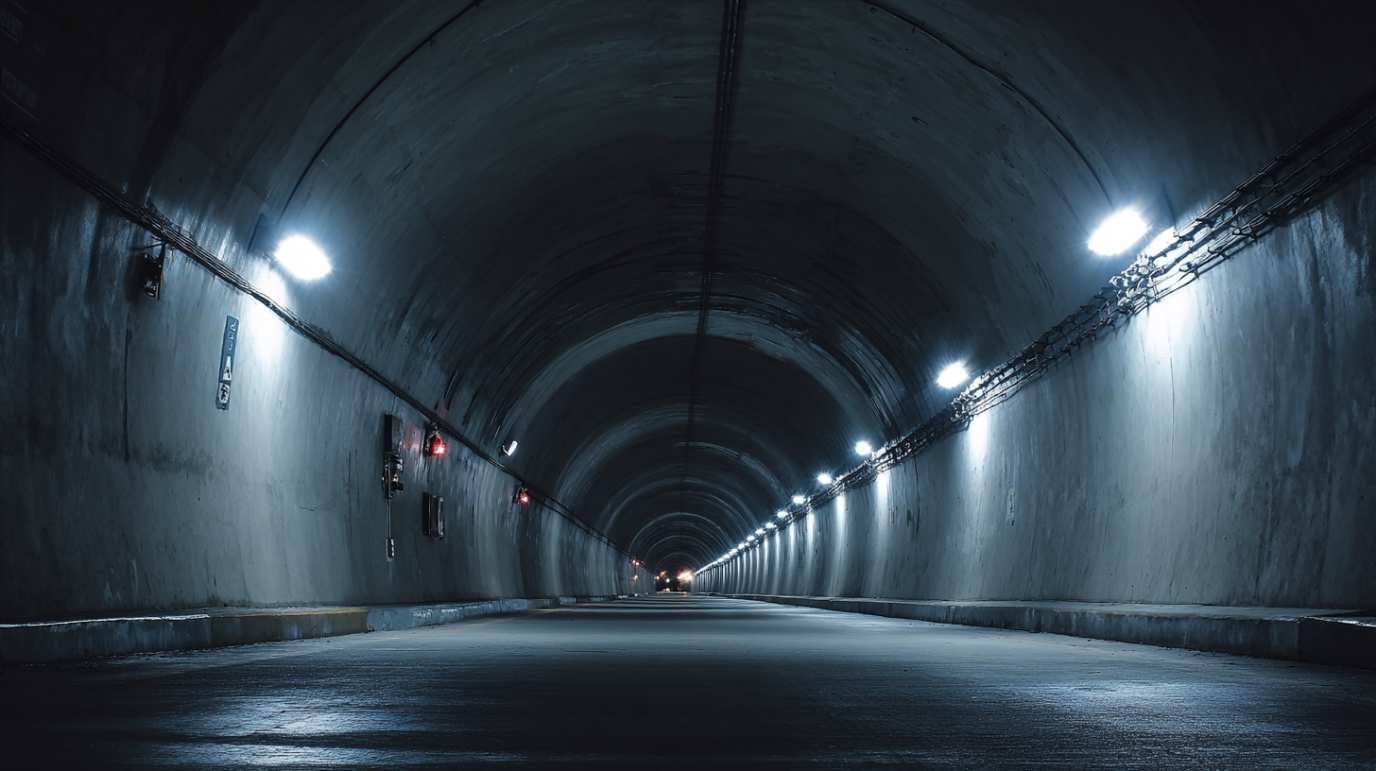
How to Improve the Safety of Tunnel Lighting Systems
Use High-Quality Fixtures
When it comes to tunnel lighting, cheap fixtures always cost more in the long run. I specify industrial-grade luminaires with high IP ratings, strong housings, and proven drivers. Quality LED fixtures deliver stable light output, survive vibration, and manage heat properly. That stability is what keeps safety performance consistent year after year.
Partitioned Lighting
I never treat a tunnel as one big lighting zone. By dividing the system into independently controlled sections, lighting can react to daylight changes, traffic density, and weather conditions in real time. Partitioned lighting cuts energy waste while keeping visibility exactly where it needs to be—no more, no less.
Brightness and Uniformity
Brightness alone doesn’t keep drivers safe—uniformity does. I design for correct luminance levels and tight uniformity ratios to reduce eye strain and accident risk. That means factoring in pavement reflectance, wall finishes, and vehicle speed so visibility stays clear from entrance to exit.
Glare Control
Glare is a design failure, not an accident. With proper optics, correct mounting angles, and disciplined spacing, glare can be controlled. Every tunnel lighting system should be tested and fine-tuned on site to make sure drivers are never hit with discomfort or momentary blindness.
Regular Maintenance
No tunnel lighting system is “install it and forget it.” Even top-tier systems need routine checks. I recommend scheduled inspections—cleaning lenses, checking drivers, and monitoring output levels. Smart monitoring tools help spot issues early, before they turn into safety risks.
Lighting Management and Control
Smart control systems are where tunnel lighting really steps up. Intelligent platforms adjust light levels automatically based on ambient conditions and traffic flow. Sensors, dimming, and centralized control improve safety, cut energy use, and deliver faster, more reliable responses during emergency situations.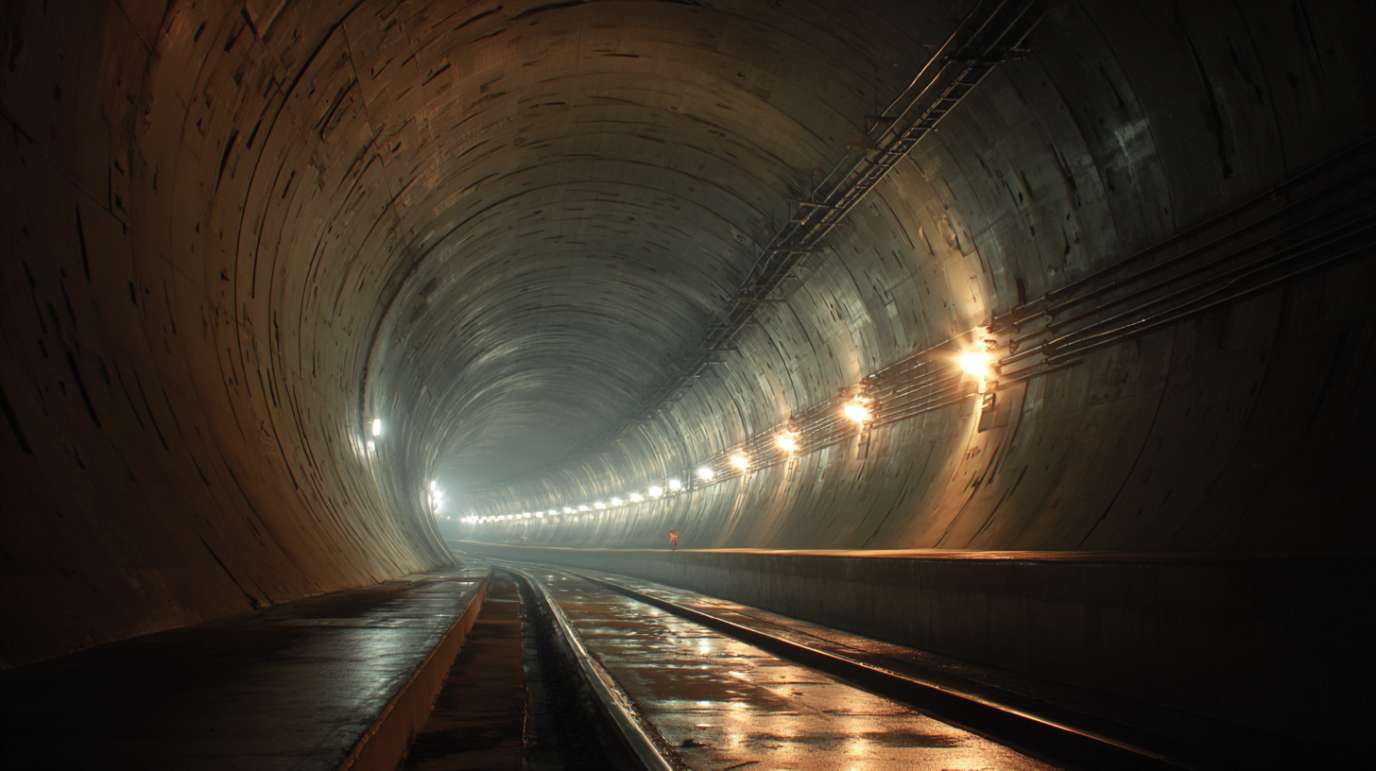
Conclusion
The science behind tunnel lighting combines human vision, psychology, engineering, and safety into one critical system. When done right, tunnel lighting prevents accidents, reduces stress, and keeps traffic moving smoothly. Modern LED tunnel lighting delivers precise control, long life, and reliable performance under extreme conditions. If you’re planning a tunnel project or upgrading an existing system, choosing the right lighting partner makes all the difference. Contact Logos Lighting today and let us help you design a safer, smarter tunnel lighting solution.




Leave a Reply
Your email is safe with us.