
Poor workplace lighting isn’t just annoying—it directly causes eye strain, fatigue, and real productivity losses that cost you money. Leave it unchecked, and you’ll see more accidents, more mistakes, and frustrated employees who simply can’t perform at their best. The solution is straightforward: understand workplace lighting standards and choose the right LED lighting from the start.
Workplace lighting standards set the baseline for how much light is required, what color temperature works best, and how to keep people safe on the job. OSHA lighting standards specify minimum lux levels for factories, construction sites, offices, and outdoor work areas. When I follow these standards and match them with the right LED fixtures, the result is fewer risks, higher productivity, and a safer, healthier workplace that actually supports the people working in it.
Let me break this down clearly.
Table of Contents
What Are the Lighting Standards for Workplace?
Workplace lighting standards exist for one simple reason: to help people work safely, comfortably, and efficiently. In my experience, these standards clearly define how much light is needed (measured in lux), how evenly that light should be distributed, how glare must be controlled, and which color temperatures work best for different tasks.
In a typical office environment, activities like reading, writing, and computer work usually need around 300–500 lux. That level keeps eyes relaxed and focus sharp. For precision tasks—think laboratories, assembly lines, or inspection stations—the requirement jumps to 750 lux or more. More light here directly means fewer mistakes and less visual fatigue.
Industrial workplaces are more complex. Warehouses generally operate well at 200–300 lux in open areas, while production lines often need anywhere from 500 to 1000 lux, depending on how detailed the work is. Outdoor work areas such as loading docks or construction zones usually require lower lux levels, but the lighting still must be strong enough for safe movement, equipment operation, and quick hazard recognition.
Brightness alone isn’t enough. Proper workplace standards also focus on uniform lighting to eliminate harsh shadows and reduce eye strain. Glare control is critical too—if workers are squinting or constantly adjusting their view, productivity drops fast. That’s why most workplaces perform best with color temperatures between 4000K and 5000K, delivering a clean, neutral light that keeps people alert without feeling harsh.
When lighting meets these standards, the results are obvious: less eye strain, better accuracy, and fewer safety incidents. Well-designed workplace lighting isn’t just a technical requirement—it’s a practical investment in safety, efficiency, and long-term productivity.

Workplace Lighting Standards According to OSHA
From a compliance and safety standpoint, OSHA sets clear minimum lighting requirements to keep workplaces safe. These standards vary by environment and task type. Instead of using lux, OSHA measures illumination in foot-candles (1 foot-candle ≈ 10.76 lux). The goal is simple: make sure workers can see well enough to do their jobs without unnecessary risk.
On construction sites, typically requires between 5 and 10 foot-candles (roughly 50–100 lux), depending on the work area. General construction zones, tunnels, shafts, and corridors usually fall on the lower end, while detailed or task-focused areas must meet higher lighting levels to maintain safety and accuracy.
In general industry environments, the requirements are more specific. Offices used for reading, writing, and computer work must have at least 30 foot-candles (about 300 lux). Less demanding spaces—such as general industrial areas, storage zones, or machine rooms—require a minimum of 5 foot-candles (around 50 lux). These baseline levels ensure workers can safely operate equipment, read gauges, identify hazards, and move through the facility without compromise.
While OSHA doesn’t list its requirements in lux, converting foot-candles to lux makes modern lighting design far more practical—especially when selecting LED fixtures. In real-world projects, meeting or exceeding OSHA standards isn’t optional. It’s how I help clients reduce accidents, improve productivity, and stay fully compliant with regulations.
What Are the Lighting Standards for Office Lighting?
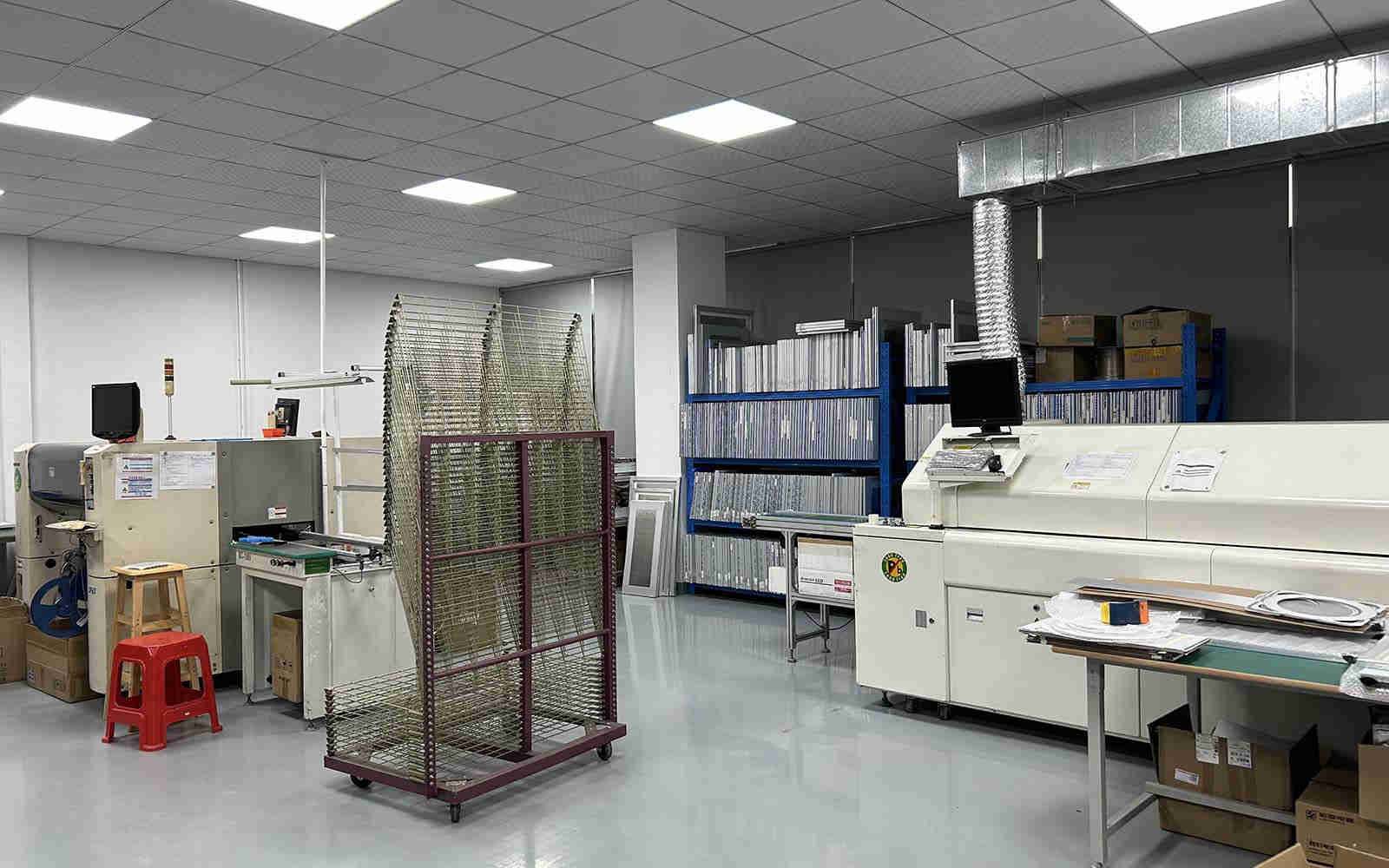
Office lighting standards are all about balance. From what I see in real projects, the goal is to create a bright, comfortable workspace where people can stay focused without straining their eyes. For everyday office tasks—reading documents, typing, and working on computers—the recommended illumination level sits between 300 and 500 lux. That range gives you clear visibility without creating annoying glare on screens or reflective surfaces.
When the work becomes more detailed—like reviewing technical drawings or handling precision paperwork—the lighting level often needs to go up to around 750 lux. Just as important as brightness is uniformity. Uneven lighting causes shadows, eye fatigue, and constant visual distraction. That’s why modern office designs rely heavily on LED panel lights, recessed downlights, and indirect lighting to deliver smooth, evenly distributed illumination across the entire workspace.
The real objective isn’t just “more light,” but the right light. Too much intensity creates glare and discomfort; too little forces people to strain their eyes. Well-designed office lighting keeps employees comfortable, alert, and productive from morning to evening.
Is 3000K or 4000K Better for Office?
Color temperature directly affects how people feel and perform at work. A 3000K light gives off a warm, relaxed atmosphere, which works well in lounges, waiting areas, or informal meeting rooms. But for general office use, I consistently recommend 4000K.
At 4000K, the light is neutral and clean, helping people stay focused and reducing fatigue during long working hours. That’s why most workplace lighting standards favor 4000K LEDs for offices—it strikes the right balance between comfort and clarity. In areas that demand maximum visual precision, such as design studios or inspection zones, higher color temperatures like 5000K can be used to enhance contrast and detail.
How Do You Choose Workplace Lighting?
I always start with one question: what kind of work is being done here? Offices, industrial facilities, and outdoor work areas all demand different lighting approaches. The objective is the same everywhere—meet safety requirements, reduce fatigue, improve productivity, and stay compliant with workplace lighting standards—but the execution changes by environment.
Office Lighting
In office spaces, comfort and uniformity come first. I usually recommend LED panel lights, troffers, or recessed downlights with a neutral 4000K color temperature to keep the space bright but not harsh. The sweet spot for most offices is 300–500 lux, which supports computer work, reading, and meetings without causing glare or eye strain.
Task lighting at individual desks is a smart add-on for employees handling detailed work, while good ambient lighting keeps the entire space visually balanced. When office lighting is done right, people stay focused longer and feel less drained by the end of the day.
Industrial Lighting
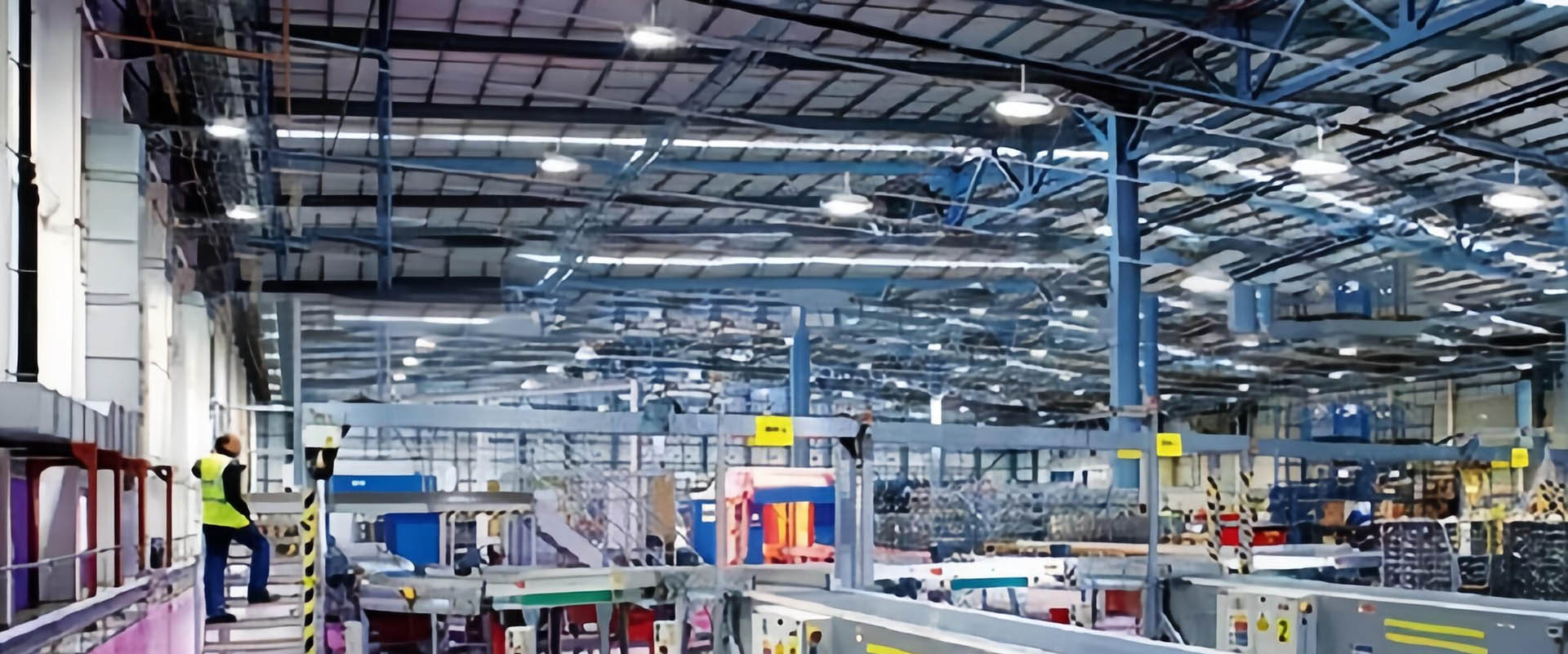
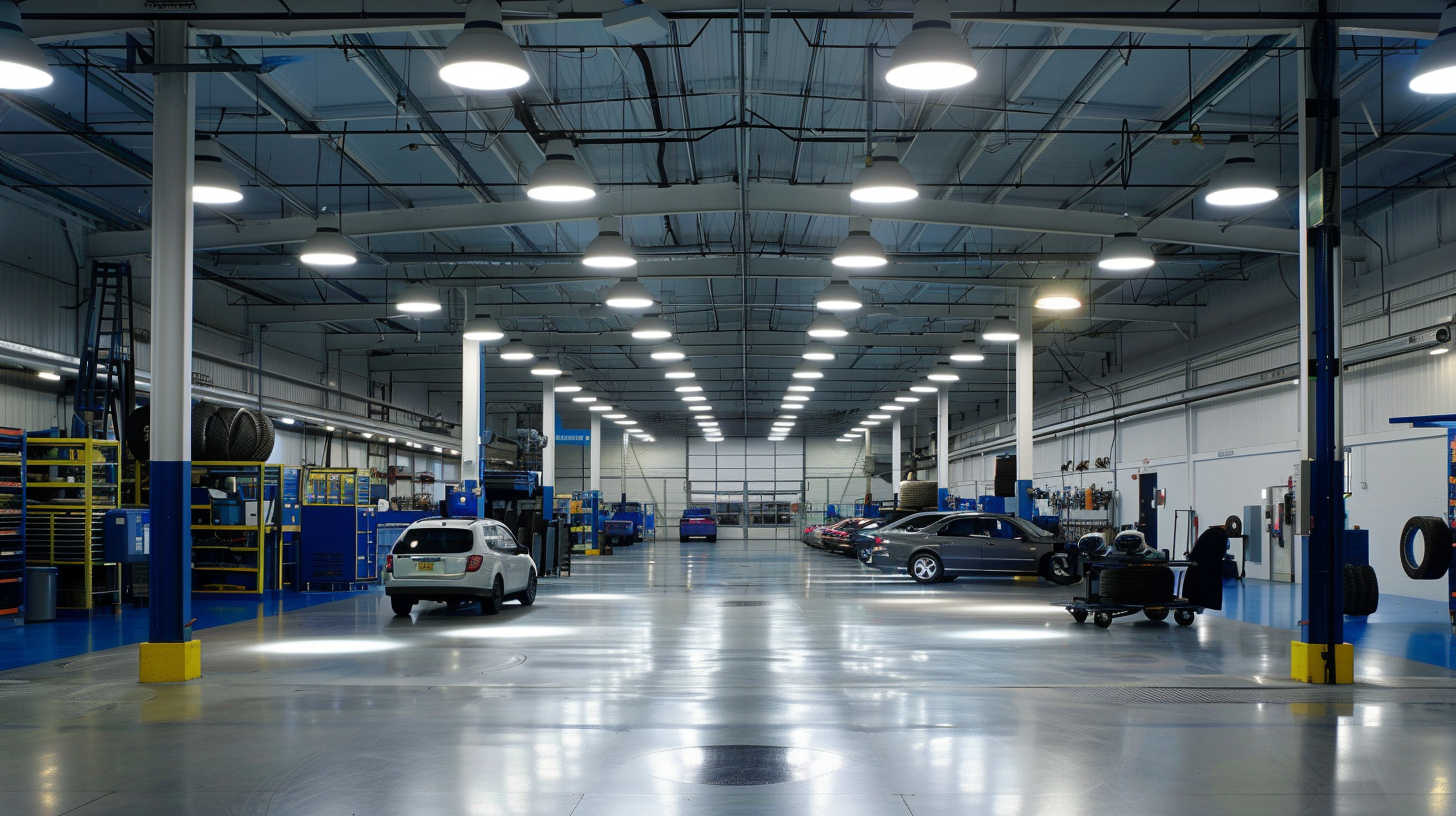
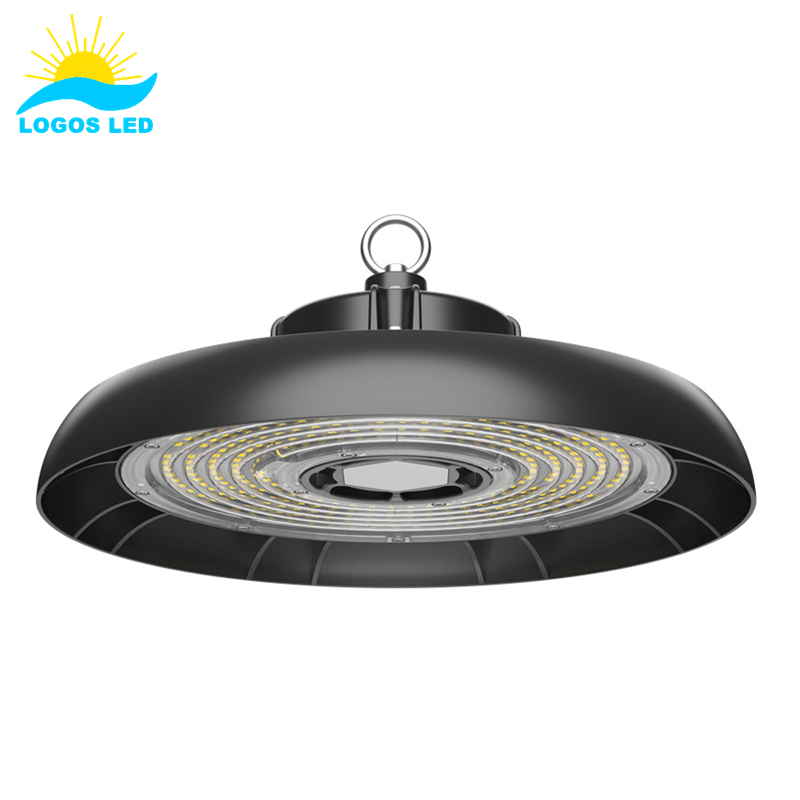
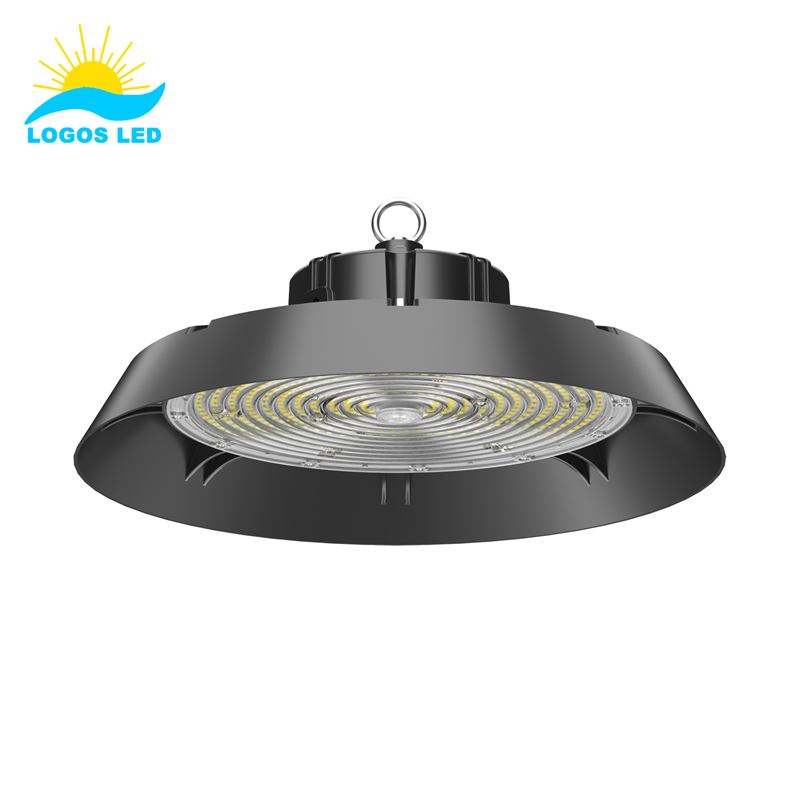
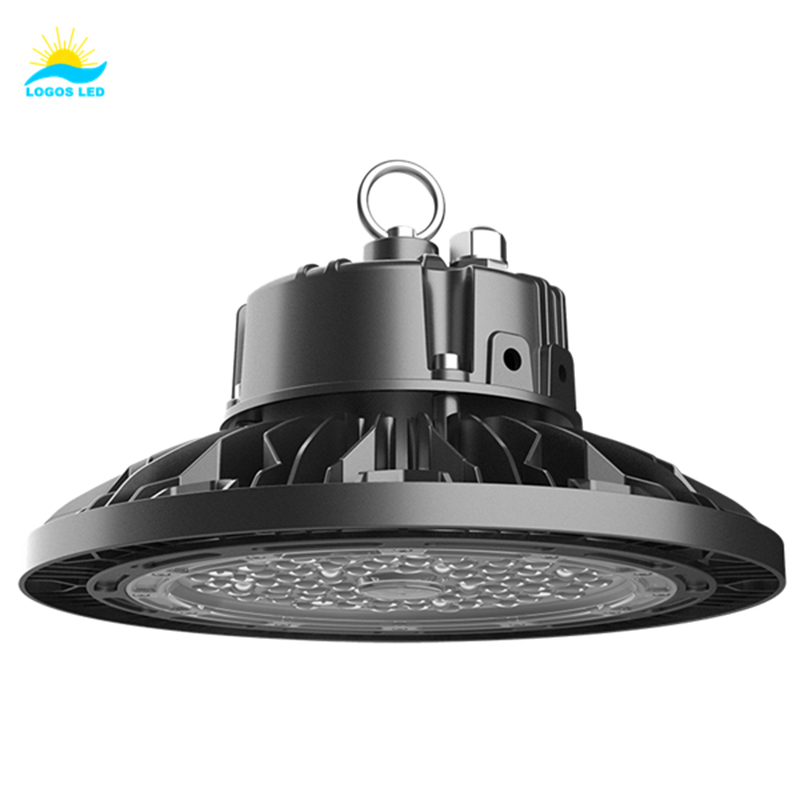
Industrial environments are a different game. Warehouses, production floors, and workshops need powerful, reliable fixtures that can handle dust, vibration, and temperature changes. This is where LED high bay lights and vapor-tight fixtures really shine.
Based on task complexity and guidance, most industrial areas need anywhere from 50 to 300 lux, with higher levels for inspection, assembly, or precision work. Strong, well-planned industrial lighting keeps machinery operation safe, reduces errors, and significantly lowers the risk of accidents.
Outdoor Lighting
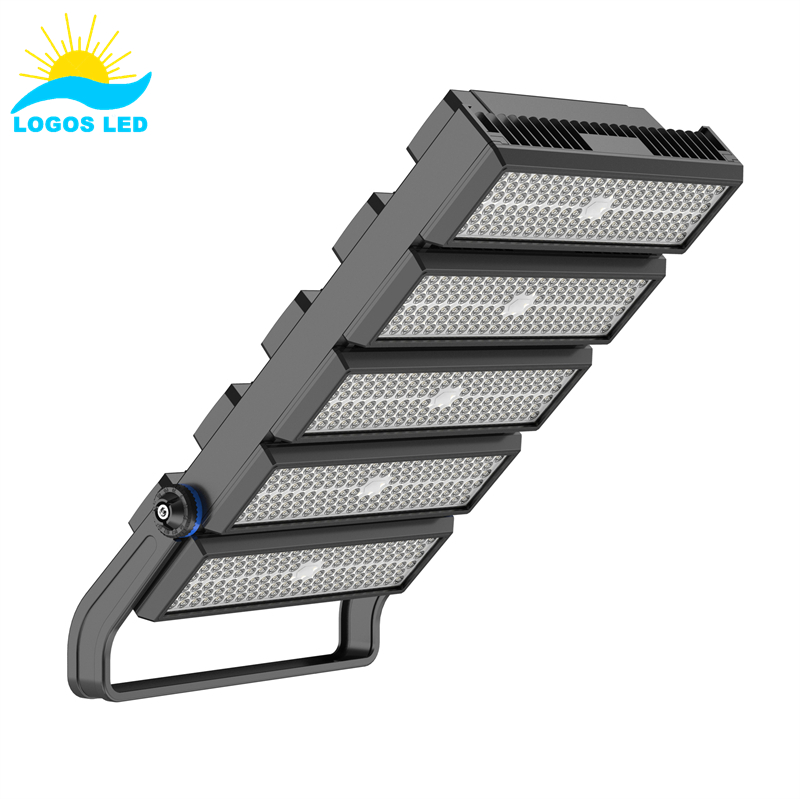
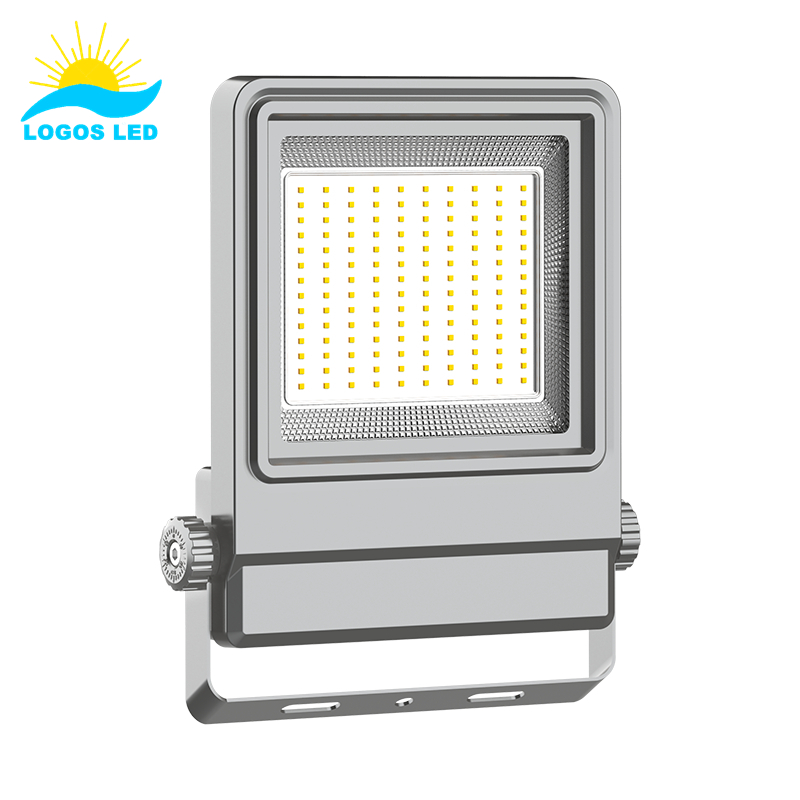
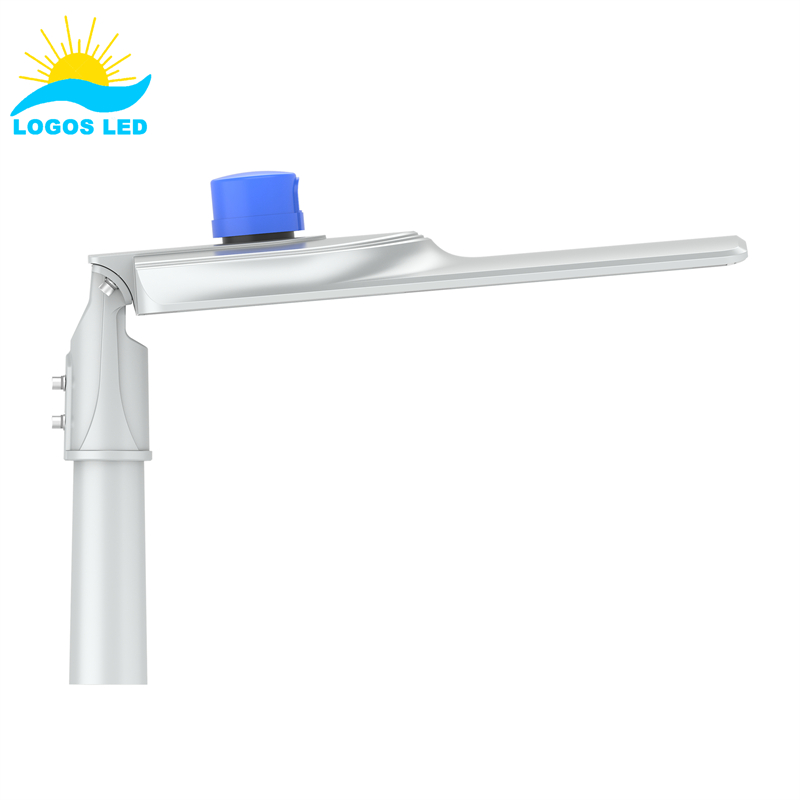
Outdoor workplace lighting is all about visibility and safety after dark. Parking lots, loading docks, construction sites, and walkways rely on pole-mounted area lights and LED floodlights to deliver wide, even coverage.
These fixtures must be weather-resistant and designed with proper beam control to avoid dark spots and glare. Following OSHA lighting guidance is especially critical for nighttime construction and outdoor operations, where poor lighting quickly turns into serious safety hazards. High-output LED solutions give workers the confidence to move, operate equipment, and get the job done safely—no matter the conditions.
Conclusion
Workplace lighting standards aren’t optional—they’re critical for safety, productivity, and employee well-being. From my experience, once you clearly understand OSHA requirements, office lighting guidelines, industrial lighting demands, and the right color temperatures, creating a safer and more efficient workspace becomes much easier. When businesses choose the right LED solutions, they get better visibility, lower energy costs, and long-term compliance without the headache.
If you need expert help choosing workplace lighting or designing a lighting plan, contact us anytime—we’re here to support your project.
Featured Products



Request A Free Quote Now!
Send us a message if you have any questions or request a quote. We will get back to you ASAP!