

Bad lighting quietly drains energy, hurts focus, and makes even beautiful spaces feel uncomfortable. Ignore it, and productivity, mood, and safety suffer. Ambient lighting fixes this by creating balanced, human-friendly illumination.
Ambient lighting is the primary layer of light in any space.It delivers even, comfortable illumination that eliminates glare, reduces eye strain, and supports how people actually live and work. From homes to offices, classrooms, and industrial facilities, the right ambient lighting improves comfort, safety, productivity, and well-being. With modern LED and smart control technology, ambient lighting can now be precisely tuned for brightness, color temperature, efficiency, and long-term performance—making it practical, flexible, and cost-effective at the same time.
When done correctly, ambient lighting becomes invisible. People don’t notice the fixtures, but they feel the comfort. That’s when lighting is doing its job.If you want to understand what ambient lighting really is, why it matters, and how to do it right, keep reading.
Table of Contents
What Is Ambient Lighting?
Ambient lighting is the backbone of any lighting plan I put together. It’s the base layer that fills a space with even, comfortable light—no dark corners, no harsh contrasts—just enough brightness for daily use without visual stress.
Put simply, ambient lighting lets people function comfortably in a room without needing task lights or decorative fixtures turned on. It can come from daylight, artificial lighting, or a smart mix of both. In real projects, I usually rely on ceiling-mounted fixtures, LED panel lights, indirect cove lighting, or well-placed ambient lamps to get the job done right.
For living rooms, ambient lighting should feel warm and inviting—it sets the emotional tone of the space. In offices, classrooms, and factories, the approach shifts toward brighter, more neutral light to support focus and visibility. The goal stays the same; only the execution changes.
LED technology has completely changed how I design ambient lighting. Today, I can dial in brightness, color temperature, beam spread, and energy use with precision. That means ambient lighting can be practical, visually clean, cost-effective, and energy-efficient—all at the same time.
Why Do You Need Ambient Lighting?
Ambient lighting is not optional. From my experience, it’s the foundation of how a space actually works. It directly affects how people feel, how they perform, and how they interact with their environment. Get this wrong, and everything else suffers.
Promotes Employee Comfort, Safety, and Wellness
I’ve seen it firsthand—poor ambient lighting leads to eye strain, headaches, and constant fatigue. Over time, morale drops, mistakes increase, and safety incidents become more likely. In industrial and warehouse environments, insufficient ambient lighting isn’t just uncomfortable, it’s a real safety risk.
Well-designed ambient lighting keeps walkways, work zones, and shared spaces evenly lit. Fewer shadows, better visibility, and less visual stress. When people feel physically comfortable, they stay focused longer and work more confidently. Comfort isn’t a luxury—it’s a performance driver.
Ensures Higher Productivity
Lighting has a direct, measurable impact on productivity. Spaces with balanced ambient lighting help people concentrate faster, process information more clearly, and make fewer errors. I see this constantly in offices, schools, and production facilities.
Ambient lighting creates a stable visual baseline. Without it, the eyes are forced to constantly adjust between bright and dark areas, which leads to mental fatigue. Consistent illumination reduces that strain and supports sustained focus throughout the workday.
Promotes Sleep Quality
Ambient lighting doesn’t stop mattering after work hours. It plays a key role in circadian rhythm regulation. In residential settings, especially in the evening, warm ambient lighting tells the body it’s time to slow down and relax.
Harsh or overly cool lighting late at night disrupts melatonin production and negatively affects sleep quality. Thoughtfully designed ambient lighting in the home supports healthier sleep patterns, better recovery, and overall well-being. This is one area where small lighting decisions make a big difference.
Tips to Do Ambient Lighting Right
Getting ambient lighting right takes more than picking a bright fixture off a catalog. Over the years, these are the principles I rely on every time to make lighting actually work in the real world.
Consider the Space and Function
Every space has a job to do. A warehouse, classroom, living room, and bedroom should never be lit the same way. Ceiling height, room size, wall colors, and how people move through the space all change how light performs.
Before I choose a single fixture, I define how the space will be used and who will use it. When ambient lighting is designed around real behavior—not assumptions—it supports comfort, safety, and productivity from day one.
Choosing the Right Fixtures
Fixtures control how light spreads. That’s non-negotiable.LED panel lights deliver wide, uniform illumination for offices and schools. Recessed downlights are a solid choice for residential and hospitality spaces. Indirect lighting is one of my go-to strategies when glare control and visual comfort matter.
Ambient lighting lamps add flexibility and depth, especially in homes where different moods are needed at different times. The right fixture choice makes the entire system feel intentional instead of random.
Adjust Light Intensity
Brightness has to match the task. Too dim feels unsafe. Too bright becomes exhausting. I always recommend dimmable LED fixtures because they give you control.
Being able to fine-tune ambient lighting throughout the day improves comfort, reduces eye strain, and cuts unnecessary energy use. Fixed-output lighting is outdated for modern spaces.
Color Temperature Matters
Color temperature defines the emotional tone of a space. Warm white feels comfortable and relaxing. Neutral white offers a clean balance of comfort and clarity. Cool white boosts alertness and visibility.
When the color temperature is wrong, people feel it immediately—even if they can’t explain why. Choosing the right CCT ensures ambient lighting feels natural, not harsh or lifeless.
Combining Different Lighting Types
Ambient lighting works best as part of a layered system. Ambient lighting sets the foundation. Task lighting handles focused activities. Accent lighting adds depth and visual interest.
This layered approach gives you better functionality and far more design flexibility. It’s how professional lighting projects avoid flat, boring spaces.
Use Smart Lighting Solutions
Smart controls take ambient lighting to the next level. Lights can automatically adjust based on time of day, occupancy, or activity.
This improves comfort, reduces energy waste, and future-proofs the installation. From what I’m seeing across commercial and residential projects, smart ambient lighting is quickly becoming the standard—not the upgrade.
Differences Between Ambient and Other Types of Lighting
Understanding the different layers of lighting will help you design spaces that not only look great but work effectively.
Ambient Lighting vs Task Lighting
Ambient lighting is your foundation—the general illumination for the entire space. It’s the “base layer” that ensures the room is lit comfortably. On the flip side, task lighting is specific and directional. It’s focused, and designed for detailed activities like reading, cooking, or assembly work.
Task lighting is more intense but localized, while ambient lighting is softer and spread throughout the space. Both are essential. The key difference? Ambient lighting sets the overall tone, and task lighting makes sure people can do what they need to do.
Ambient Lighting vs Accent Lighting
Accent lighting is designed to highlight specific features: architectural elements, artwork, or other visual points of interest. It adds depth, creates mood, and draws attention to things that matter.
But it doesn’t provide sufficient light for regular activities. That’s where ambient lighting comes in. It ensures you can see clearly and comfortably. Accent lighting enhances the aesthetics without sacrificing functionality.
A well-rounded space uses both types of lighting. You need that solid, even glow from ambient lighting to ensure usability, and then you layer in accent lighting to make everything look intentional and dynamic.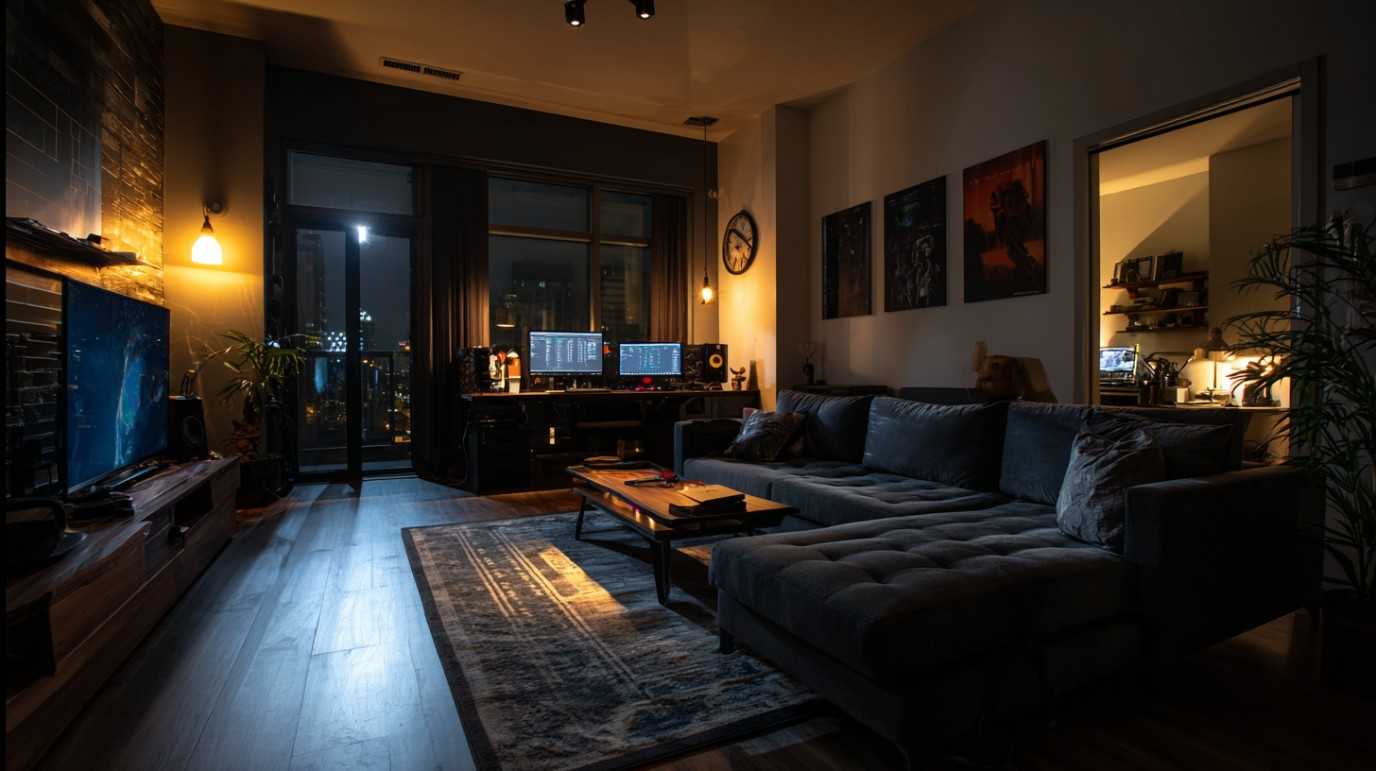
FAQs About Ambient Lighting
Is Ambient Lighting Warm or Cool?
Ambient lighting can be either warm or cool—it all depends on where and how it’s used. In homes and hospitality spaces, I usually recommend warm light because it feels comfortable and inviting. For offices, schools, and industrial environments, neutral or cool light works better because it keeps people alert and improves visibility.
What Are the Disadvantages of Ambient Lighting?
Ambient lighting only becomes a problem when it’s poorly designed. Bad layouts lead to glare, uneven brightness, or light levels that are simply too low. That’s exactly why fixture quality, spacing, and planning matter. Do it right, and ambient lighting works quietly in the background. Do it wrong, and everyone notices.
Is Ambient Light Good for Eyes?
Yes—when it’s done correctly. Balanced ambient lighting reduces eye strain by eliminating harsh contrasts between bright and dark areas. From real-world projects, I’ve seen how proper ambient lighting immediately improves visual comfort and reduces complaints.
What Does Ambient Mode Look Like?
Ambient mode looks calm and effortless. The light is evenly distributed, there are no harsh hotspots, and shadows are soft. People don’t consciously notice the lighting—they just feel comfortable in the space.
Is Ambient Light the Same as Natural Light?
No. Natural daylight can act as ambient lighting, but artificial ambient lighting is engineered to fill the gaps when daylight isn’t available or consistent. The best lighting designs use both together, so the space feels balanced all day long.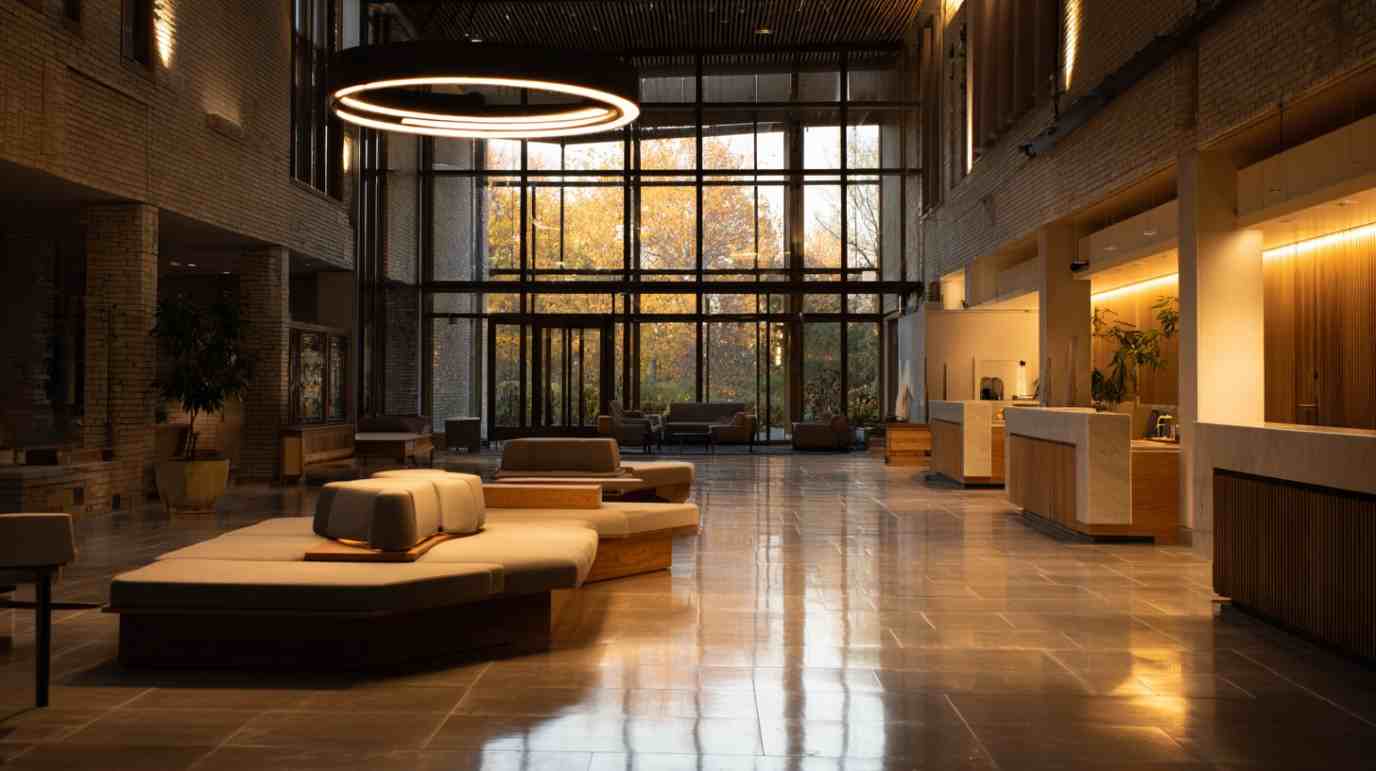
Conclusion
Ambient lighting is the backbone of comfortable, productive, and safe spaces. When designed correctly, it quietly improves how people feel and perform every day. Whether you are planning ambient lighting for home, offices, or large commercial projects, the right approach makes all the difference.
If you need high-quality, customizable LED lighting solutions or expert support for your next project, contact us at Logos Lighting. We’re ready to help you build lighting that works.



Leave a Reply
Your email is safe with us.