

Poor lighting decisions often come from misunderstanding lux levels. Get it wrong, and people suffer eye strain, fatigue, low productivity, or safety risks. Get it right, and lighting works perfectly. This guide shows you how.
Lux levels are key to understanding how lighting truly impacts a space. Unlike lumens, which measure the total light output, lux measures how much light actually reaches the surface or task area. This affects visibility, comfort, and safety. For example, 100 lux is comfortable for most activities, while 1000 lux is used for detailed work. Understanding lux helps design lighting that meets the specific needs of any space—whether a hotel lobby, office, or factory.
If you design, buy, install, or use LED lighting, knowing lux levels helps you choose the right brightness—not too dark, not too harsh, just right for the task.Keep reading and I’ll break everything down clearly, using real-world examples you can instantly relate to.
Table of Contents
What Do Lux Levels Mean?
Lux is how I measure real, usable light—not marketing numbers. It’s the unit for illuminance, which means how much light actually hits a surface. One lux equals one lumen spread over one square meter. In plain language, lux tells me how bright a space feels where people work, walk, or spend time.
That’s why lux level meaning matters so much in real-world lighting design. Lumens tell you how much light a fixture can produce on paper. Lux tells you how much of that light actually reaches the job. I’ve seen two fixtures with identical lumen output deliver completely different results because of mounting height, beam angle, and spacing.
This is also why global lighting standards—from CIBSE recommended lux levels to EN regulations—are written in lux, not lumens. Lux is what affects visibility, comfort, safety, and performance. Whether I’m lighting a warehouse, an office, a hotel lobby, or a factory floor, lux is the number that decides if the lighting actually works.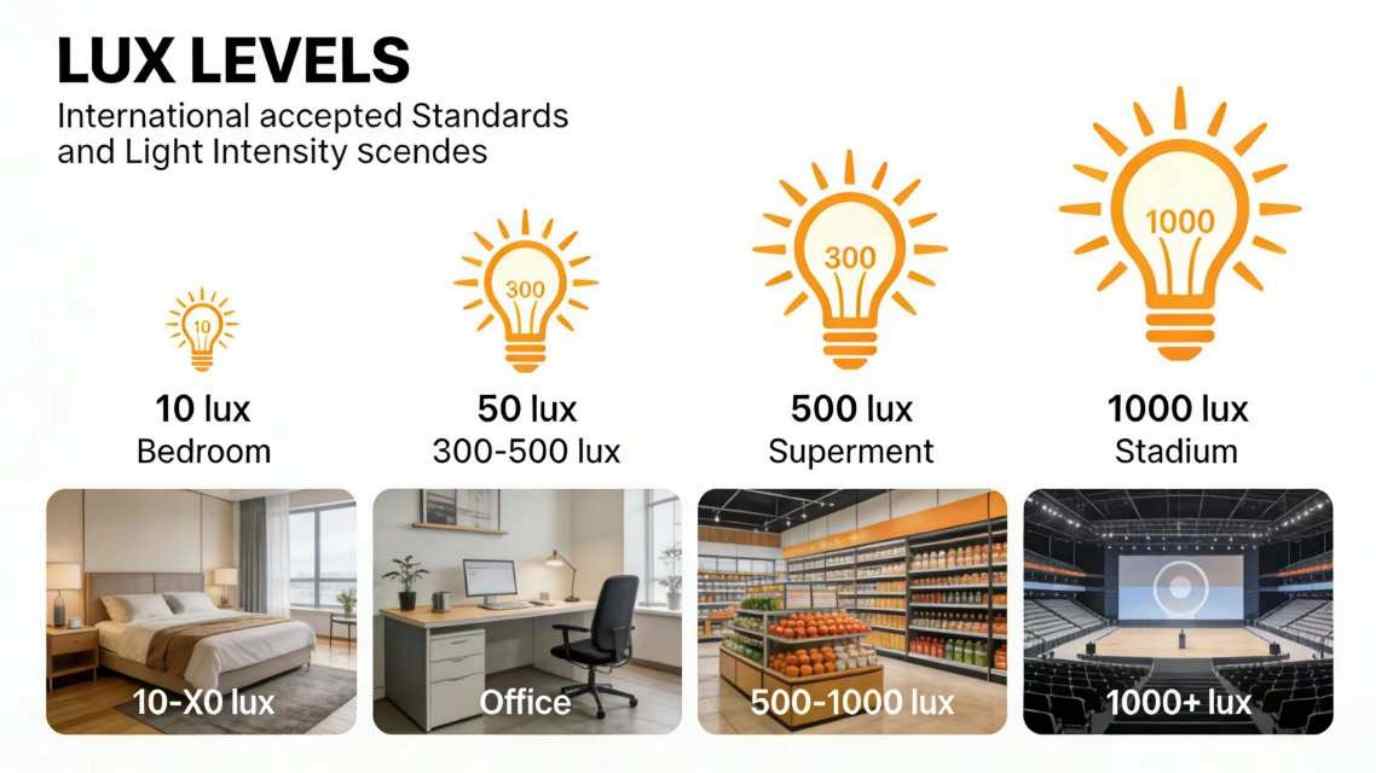
How Many Lux Is Full Sun?
On a clear day, full sunlight hits roughly 90,000 to 120,000 lux. That number usually stops people in their tracks, because it’s wildly higher than anything we ever design for indoors.
That level of brightness is why we naturally squint in direct sun and why outdoor work often demands eye protection. It also gives important context: most indoor environments operate well under 1,000 lux and still feel plenty bright.
I use this comparison all the time to reset expectations. When someone asks for “daylight-level brightness” inside a building, I explain that even 500 lux already feels clean, bright, and comfortable for most tasks. More light isn’t always better—controlled light is.
How Many Lux Is a Cloudy Day?
On a typical cloudy or overcast day, outdoor light levels usually land somewhere between 1,000 and 10,000 lux. Even without direct sun, it still feels bright enough to see clearly and move comfortably.
That’s why people can drive, walk, and work safely outdoors even when the sky is gray. It also shows just how adaptable the human eye is. Compared to indoor environments, a cloudy sky still delivers far more usable light than most offices or factories.
When I design LED lighting—especially in spaces with windows or skylights—I always keep this reference in mind. It helps me balance natural daylight with artificial lighting so the space feels right, not overlit or flat.
How Many Lux Is a Full Moon?
A full moon delivers roughly 0.1 to 0.3 lux. That’s almost nothing by lighting standards, yet the human eye can still adapt enough to pick up shapes, movement, and basic orientation.
This is one of my favorite real-world examples of visual adaptation. Even at 0.1 lux, people can navigate outdoor spaces at night. That’s exactly why many pathway, landscape, and security lighting designs intentionally stay at very low lux levels—just enough light for safety, without destroying night vision or creating glare.
How Many Lux Is Morning Sunlight?
Early morning sunlight usually falls in the range of 10,000 to 25,000 lux, depending on cloud cover and sun angle. It’s bright, but not harsh—which is why it feels energizing instead of overwhelming.
This is exactly why morning light plays such a big role in circadian rhythm regulation. When I design lighting for offices, schools, or controlled environments, I often aim to replicate this effect indoors—higher lux levels paired with cooler color temperatures to help people wake up, focus faster, and start the day with more energy.
How Much Lux Is an LED Light?
There’s no single lux number you can assign to an LED light—and that’s where a lot of people get confused. Lux isn’t fixed. It changes based on lumen output, beam angle, mounting height, and how far the light is from the working surface.
For example:
– A 40W LED panel in an office typically delivers around 300–500 lux on desk level.
– A high bay LED in a warehouse may provide 200–300 lux on the floor from a much higher mounting height.
– A task light used up close can easily push past 1,000 lux.
This is why I never rely on guesswork. Real lighting design requires proper calculations, simulations, and reference to standard lux level charts to make sure the light actually performs where it matters.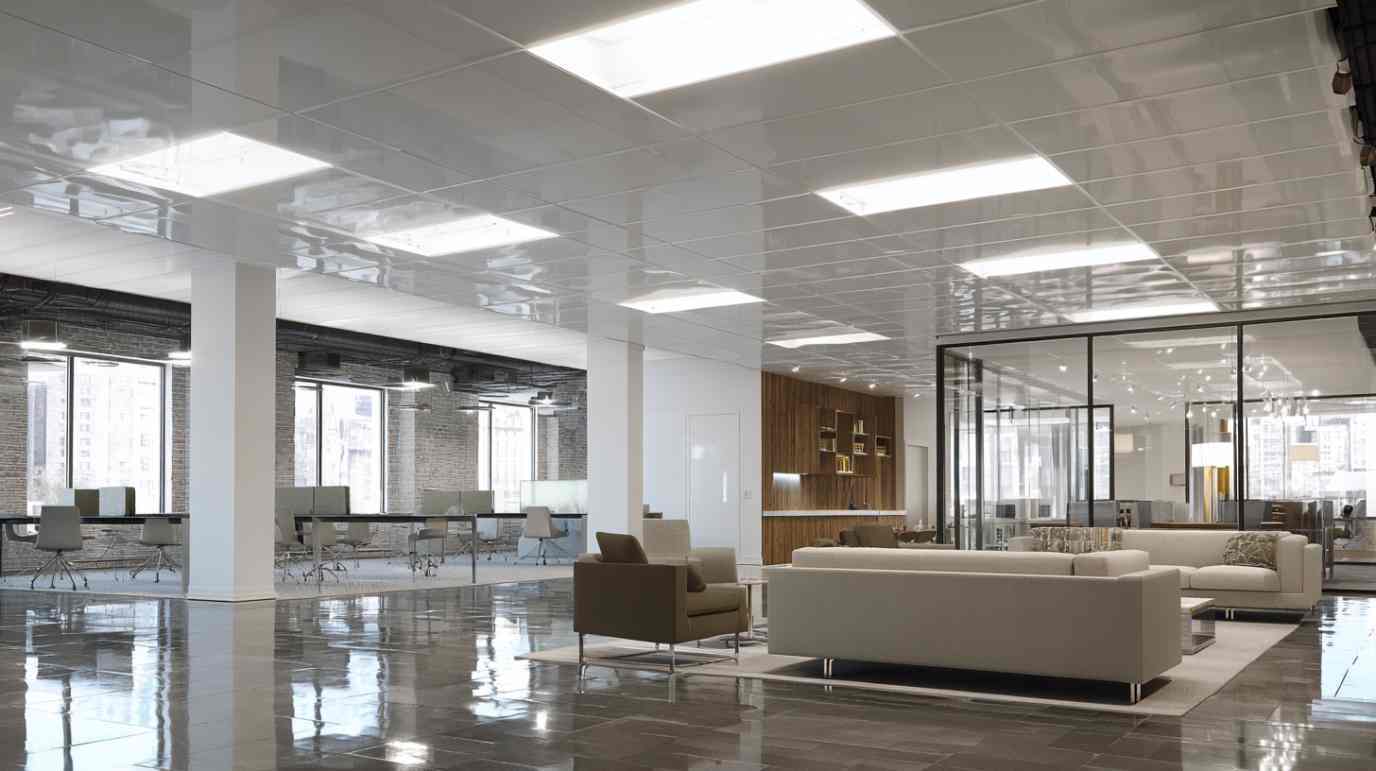
How Much Lux Does a Human Need?
There’s no single lux level that works for everyone. From my experience, the right amount of light always depends on what people are actually doing in the space.
General guidance:
– 50 lux: basic orientation and ambient visibility
– 100 lux: corridors and low-activity areas
– 300 lux: offices and classrooms
– 500 lux: detailed or focused work
– 750–1,000 lux: high-precision tasks
Once you understand the required lux level for an office or work environment, lighting becomes a performance tool instead of a problem. Good lighting supports human activity—it doesn’t force people to work around it.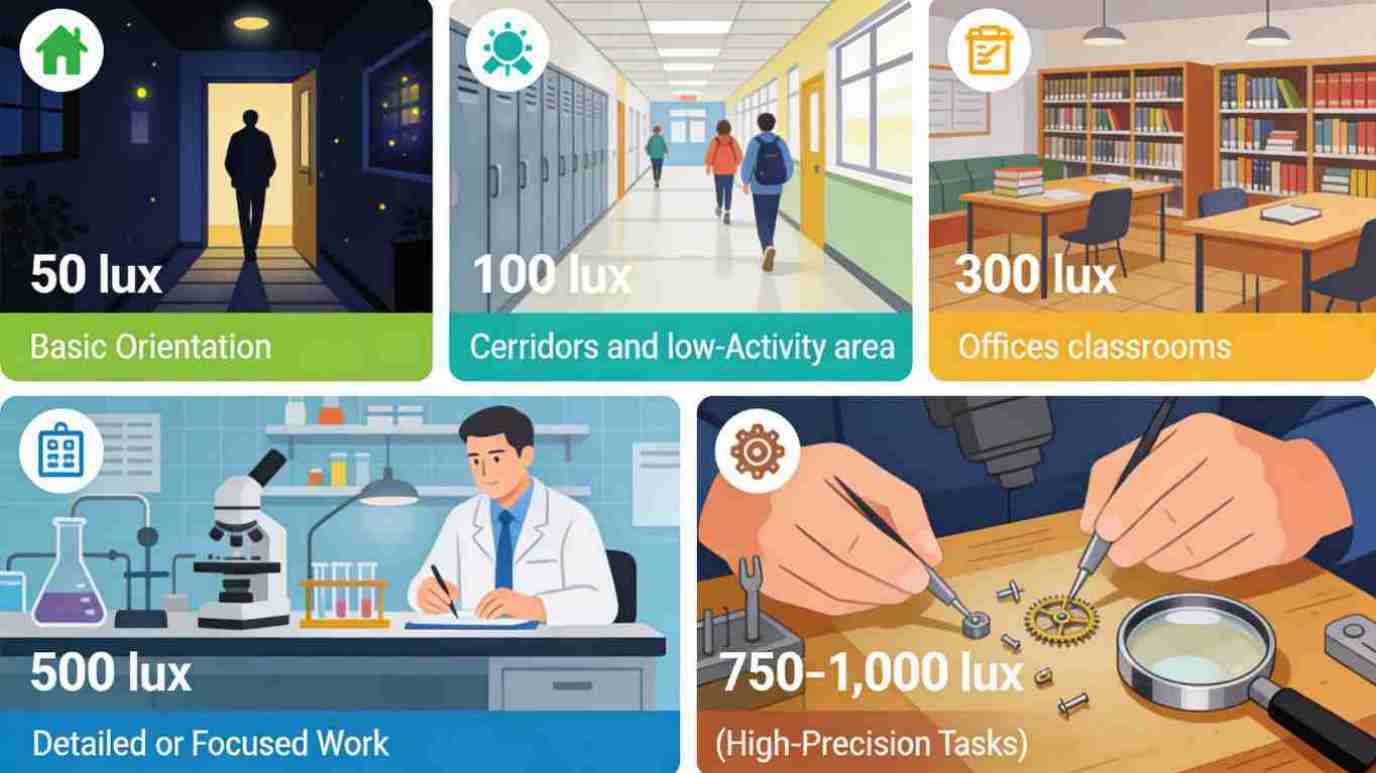
How Many Lux Is Considered Bright?
Brightness is subjective, but in real-world projects, these benchmarks hold up well:
– 100 lux feels dim, but still workable
– 300 lux feels comfortable for most activities
– 500 lux clearly reads as bright
– 1,000 lux is very bright for indoor environments
When clients ask me how bright 100 lux feels or whether 10 lux is usable, context always matters. A hotel lobby at 200 lux feels calm and upscale, while a factory floor at the same level quickly feels underlit. Brightness only makes sense when it matches the space and the task.
What Is the Lux Level for a Hotel Lobby?
In most hotel projects I work on, the sweet spot for lobby lighting sits between 200 and 300 lux. That range feels welcoming, safe, and visually comfortable without pushing the space into a cold, commercial look.
Go brighter and the lobby starts to feel harsh and transactional. Go dimmer and guests may feel uneasy or unsure. The best results come from layered lighting—ambient light for comfort, accent lighting for depth, and decorative fixtures for character—so the space feels rich without cranking up the lux.
How Does Lux Level Affect Sleep?
Lux has a direct impact on circadian rhythm. High lux levels, especially with blue-heavy light, suppress melatonin and keep the body alert. Low lux environments do the opposite—they tell the body it’s time to slow down.
At night:
– Below 50 lux helps the body transition toward rest
– Below 10 lux supports deep relaxation and sleep readiness
That’s why residential projects, hotels, and healthcare facilities I work with pay close attention to evening lux levels. Lighting isn’t just about seeing—it’s about helping the body recover.
What Is Better, Lux or Lumens?
Neither one replaces the other—they do completely different jobs.
Lumens tell me how much light a fixture produces.
Lux tells me how much light actually lands where it matters.
In real projects, I always start with a lux target and work backward to fixture selection. Lumens are just a tool along the way. If you care about real-world performance, lux is the metric that actually drives results.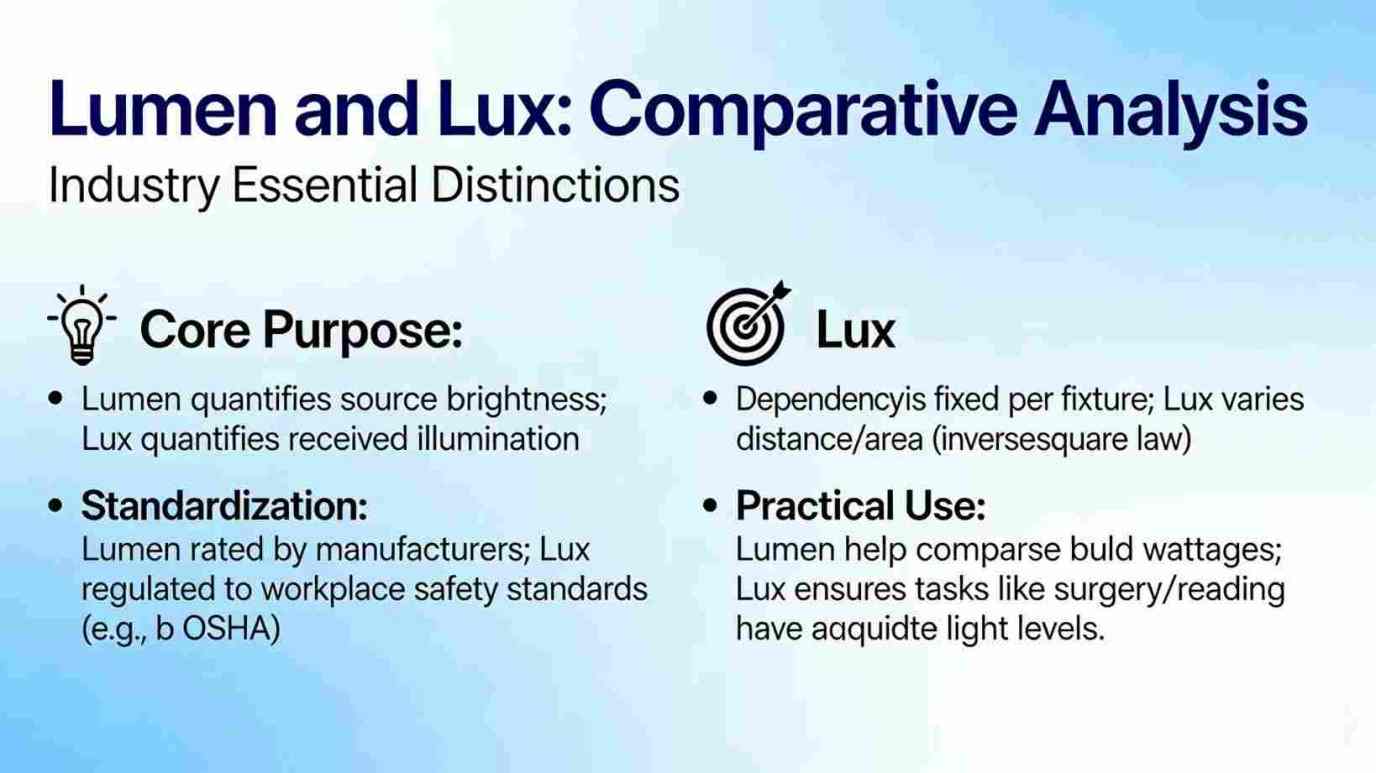
Which Is Brighter, 4000K or 6000K?
Neither one is brighter in terms of lux. Color temperature does not equal brightness.
That said, 6000K looks sharper and more intense to the eye, while 4000K feels cleaner and more comfortable. In offices and industrial spaces, I usually specify 4000K because it delivers clarity without visual fatigue—even at the same lux level.
What Are the 4 Types of Lighting?
The four core lighting types are:
– Ambient lighting: the base layer that lights the whole space
– Task lighting: focused light for specific work
– Accent lighting: highlights and visual depth
– Decorative lighting: visual impact and style
Each type plays a different role in how lux is distributed. When they’re combined correctly, the space works better—and looks better—without wasting light.
FAQs About Lux Levels
How Bright Is 20 Lux?
20 lux? That’s very dim. It’s the kind of light you get in a dark corridor or outside on a moonlit night—enough to get your bearings, but not much more.
How Bright Is 50 Lux?
50 lux gives basic visibility—just enough to walk through a hallway or light up the night outside. It’s functional, but not exactly vibrant.
What Does 100 Lux Look Like?
100 lux is like a room lit by soft, indirect light. It’s comfortable, with clear visibility, but not overbearing.
Is 1 Lux at 1000m Good?
1 lux at 1000 meters is low—think orientation lighting, not something you want for a task. You’d be hard-pressed to do anything but get a sense of where you are with that.
Is 1000 Lux Bright?
Absolutely. 1000 lux is bright for indoor spaces, typically used for detailed, focused work. It’s plenty of light for a precise job.
Is 10,000 Lux Too Bright?
Indoors, yes—way too bright. But if you’re outdoors on a sunny day? That’s normal daylight intensity. In fact, it’s expected.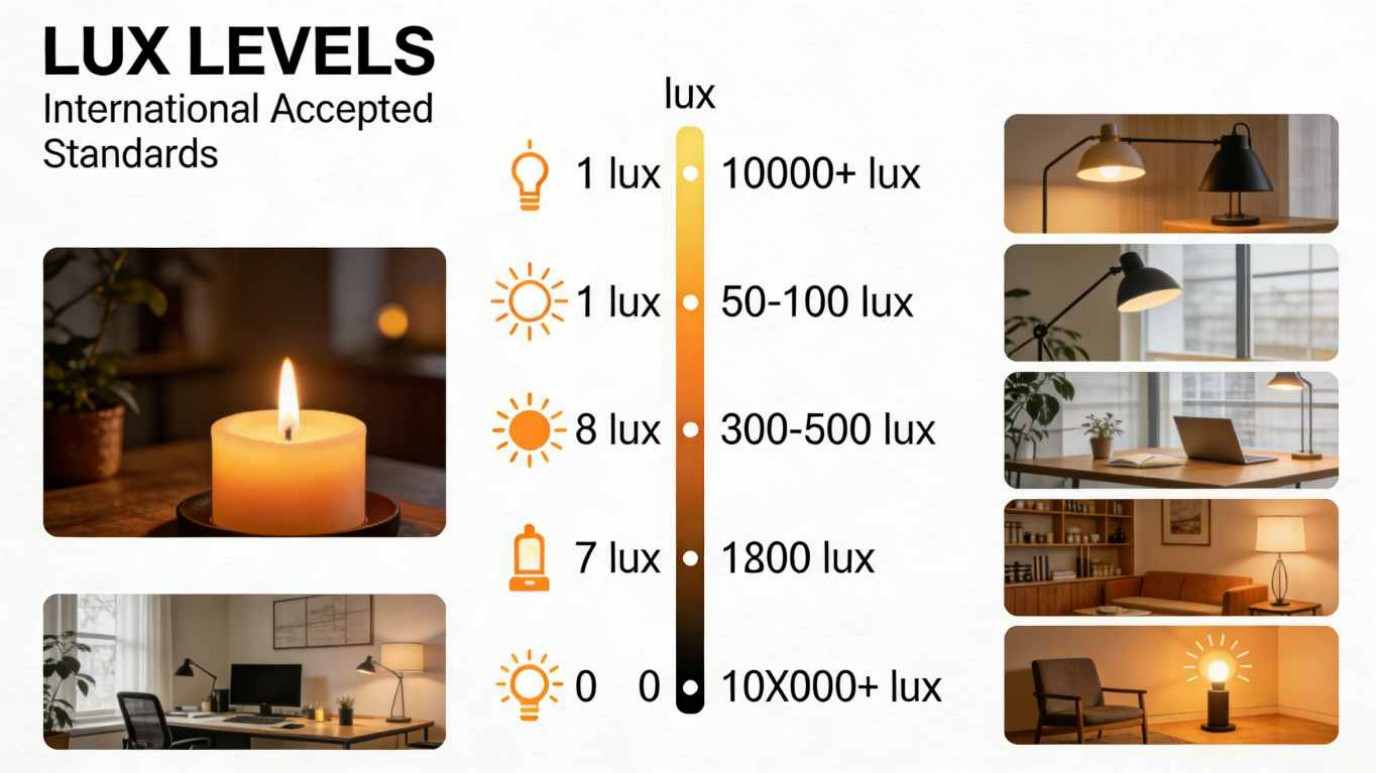
Conclusion
Lux levels define how lighting truly performs in real spaces. When we understand lux, we stop guessing and start designing lighting that supports comfort, productivity, and safety. At Logos Lighting, we help clients calculate, customize, and optimize lux levels for every application. If you have a project or a question about lux requirements, feel free to contact us anytime—we’re ready to help.
Featured Products

Request A Free Quote Now!
Send us a message if you have any questions or request a quote. We will get back to you ASAP!


Leave a Reply
Your email is safe with us.