

Poor lighting control causes glare, eye strain, wasted energy, and uncomfortable spaces. Without proper dimming, lighting becomes rigid and inefficient. The right dimming controls solve this by giving precise, flexible control.
Lighting dimming controls allow users to adjust light output to match tasks, time of day, and environment. For LED systems, proper dimming improves comfort, reduces energy consumption, extends fixture lifespan, and enhances visual experience across commercial, industrial, and residential applications.
If you want lighting that adapts instead of overwhelms, this guide will walk you through everything you need to know.
Table of Contents
What Are Dimming Controls?
Dimming controls are systems or devices that regulate the amount of electrical power delivered to a light source, allowing the light output to increase or decrease smoothly. Instead of turning lights simply on or off, dimming controls enable precise adjustment of brightness based on functional or aesthetic needs.
In modern LED applications, dimming controls are more than convenience features. They are an essential part of lighting system design. From offices and warehouses to schools and factories, dimming improves comfort, reduces glare, and supports energy-saving strategies.
Unlike traditional incandescent lighting, LED dimming requires compatibility between the light fixture, driver, and control method. This is why understanding dimming light meaning and system matching is critical. A well-designed dimming system ensures stable performance, smooth transitions, and long-term reliability.
Types of Lighting Dimming Controls
From my experience, no single dimming method fits every project. The right dimming control depends on how the space is used, how the system is wired, how much control you want, and how much complexity your budget allows. Below are the most common dimming technologies I see in real-world LED lighting projects.
0-10V Dimming
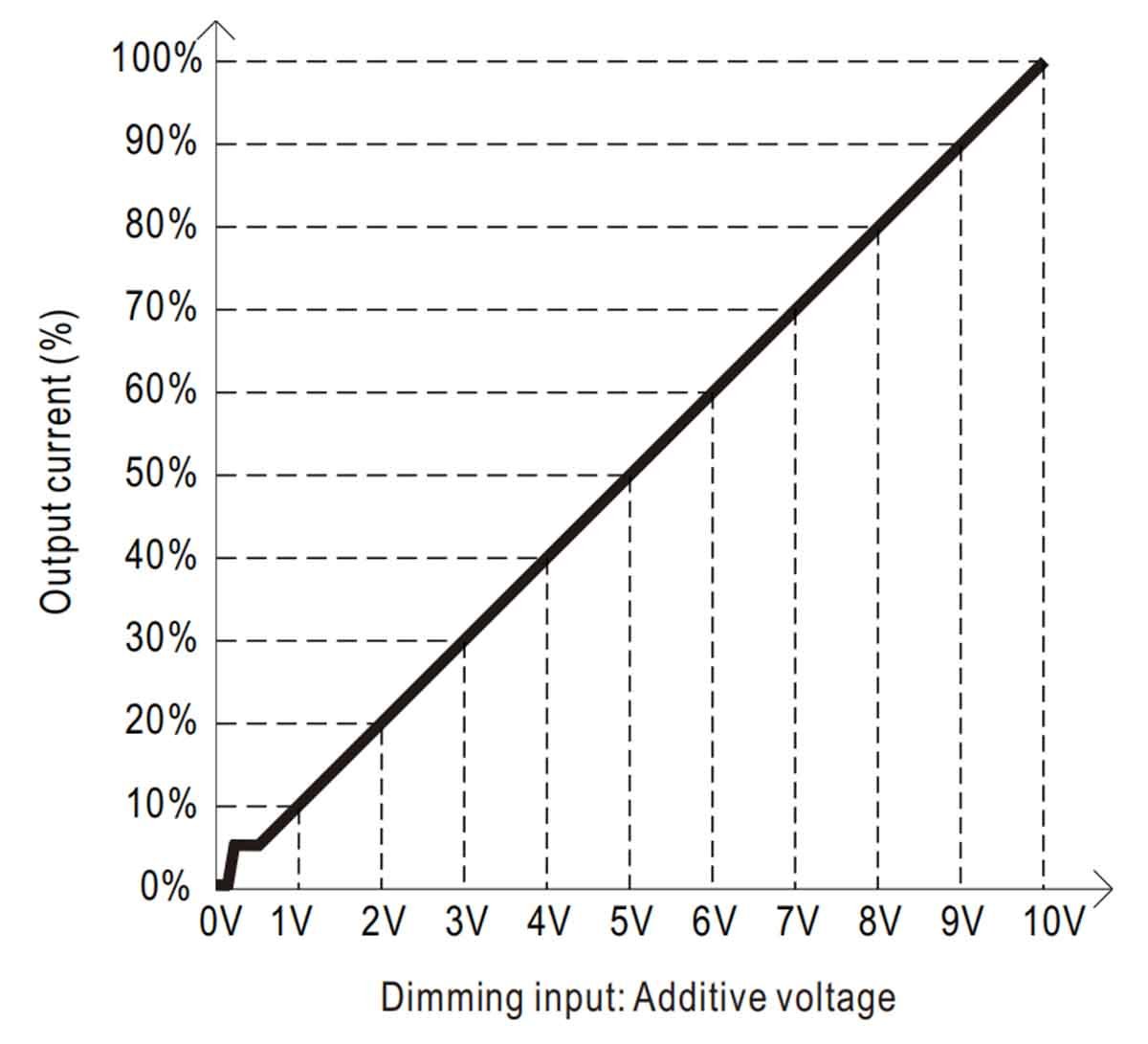
0-10V dimming is one of the most reliable and widely used control methods in commercial and industrial lighting. It works through a simple low-voltage control signal that ranges from 0 to 10 volts.
At 10V, the fixture runs at full output. As the voltage drops, the light dims smoothly and predictably. I like 0-10V dimming because it’s stable, easy to understand, and proven over decades of use. It’s a go-to solution for offices, warehouses, parking garages, and large facilities where consistency matters more than fancy features.
In most practical guide to lighting dimming controls for LED lights, 0-10V shows up as the baseline standard because it integrates well with building management systems and is easy for electricians to install and maintain.
0-10V Dimming
Triac Dimming
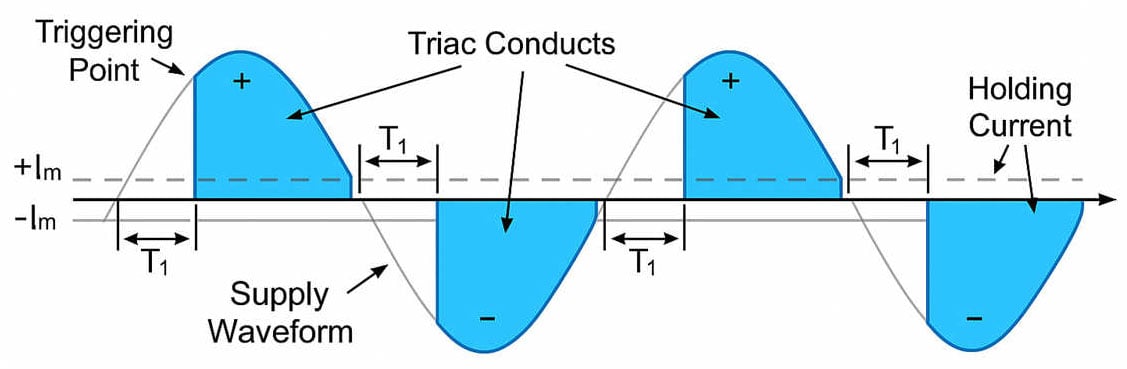
Triac dimming, also called phase-cut dimming, is most common in residential and small commercial spaces. It works by chopping parts of the AC waveform to reduce the power sent to the light.
This method was originally designed for incandescent bulbs, which is why compatibility becomes a real issue with LEDs. I’ve seen many projects fail simply because the LED driver wasn’t designed for Triac dimming. The result is flicker, buzzing, or a very limited dimming range.
That said, when Triac dimming is paired with the right dimmable LED drivers, it works well for simple setups using standard wall dimmers. It’s best for retrofits, homes, and small spaces where rewiring for control cables isn’t practical.
TRIAC Dimming
DALI Dimming
DALI dimming is where lighting control becomes truly intelligent. Every fixture or driver has its own digital address, which means you can control lights individually or in groups.
I recommend DALI for projects that need flexibility and long-term scalability. Offices, smart buildings, campuses, and commercial spaces benefit the most. You can reprogram zones without rewiring, monitor fixture status, and integrate lighting into broader building systems.
In any serious guide to lighting dimming controls LED systems, DALI stands out for its precision, diagnostics, and future-proof design. It costs more upfront, but it pays off in control and adaptability.

DALI and DALI-2 Dimming
PWM Dimming
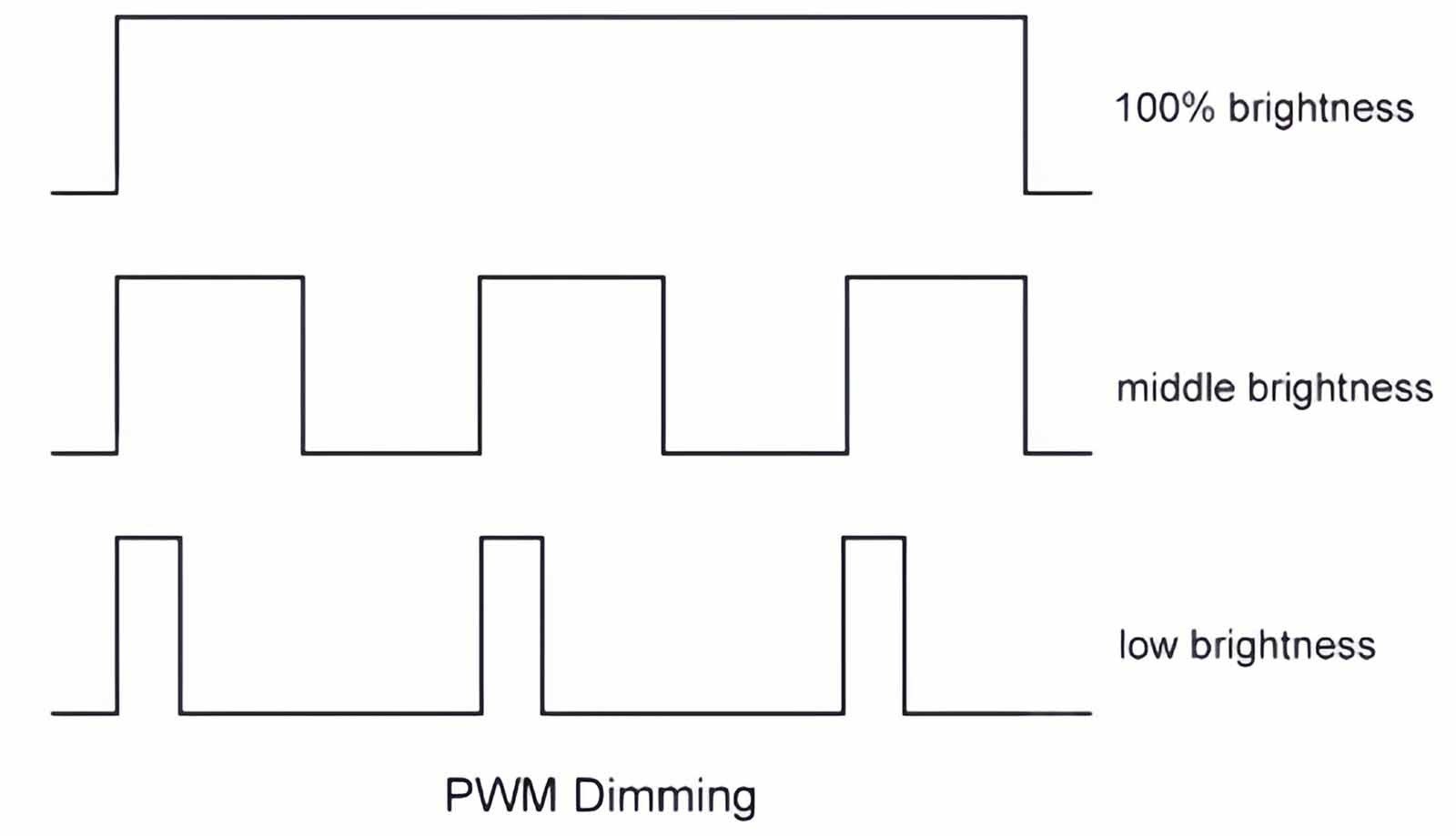
PWM dimming controls brightness by rapidly switching the LED on and off at very high speed. To the human eye, this looks like smooth dimming.
The big advantage of PWM is precision. Light output is extremely accurate, and color consistency stays stable across the dimming range. That’s why I often see PWM used in architectural lighting, industrial equipment, and specialty applications where visual accuracy is critical.
The downside is complexity. PWM requires compatible drivers and controls, so it’s not usually the first choice for general commercial buildings unless performance demands it.
PWM Dimming
Wireless Dimming
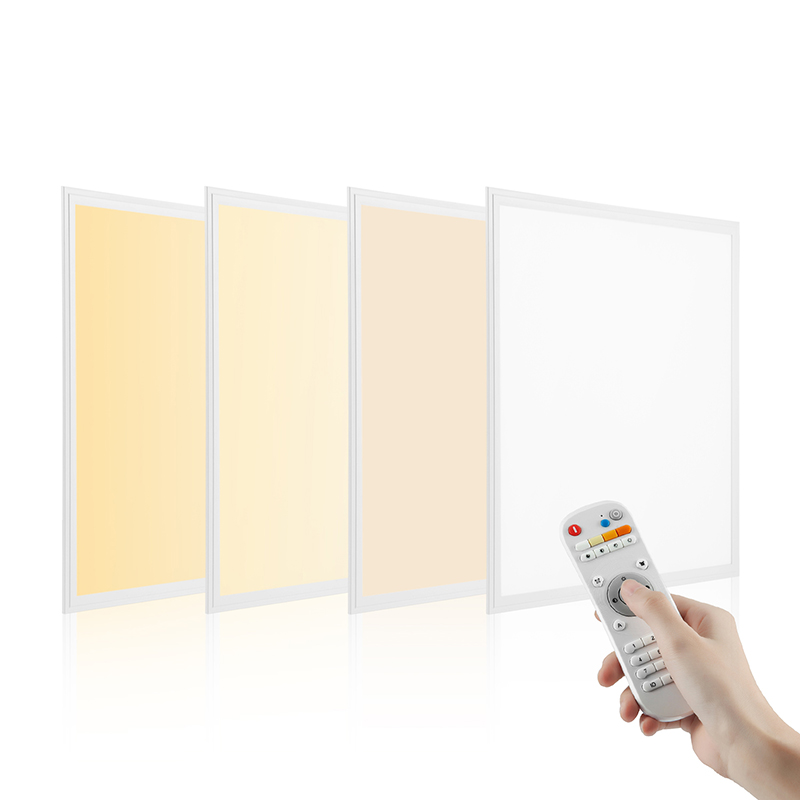
Wireless dimming is becoming more popular every year. Instead of running control wires, lights communicate through Bluetooth, Zigbee, Wi-Fi, or similar protocols.
I see wireless dimming used most often in retrofits, smart offices, and IoT-based lighting systems. It allows app-based control, scheduling, scene setting, and remote monitoring without tearing open walls or ceilings.
Wireless systems offer flexibility and scalability, but they depend heavily on network reliability and proper system design. When done right, wireless dimming delivers powerful control with minimal installation effort, making it a strong choice for modern LED lighting projects.
Wireless Dimming
How Do LED Dimmer Switches Work?
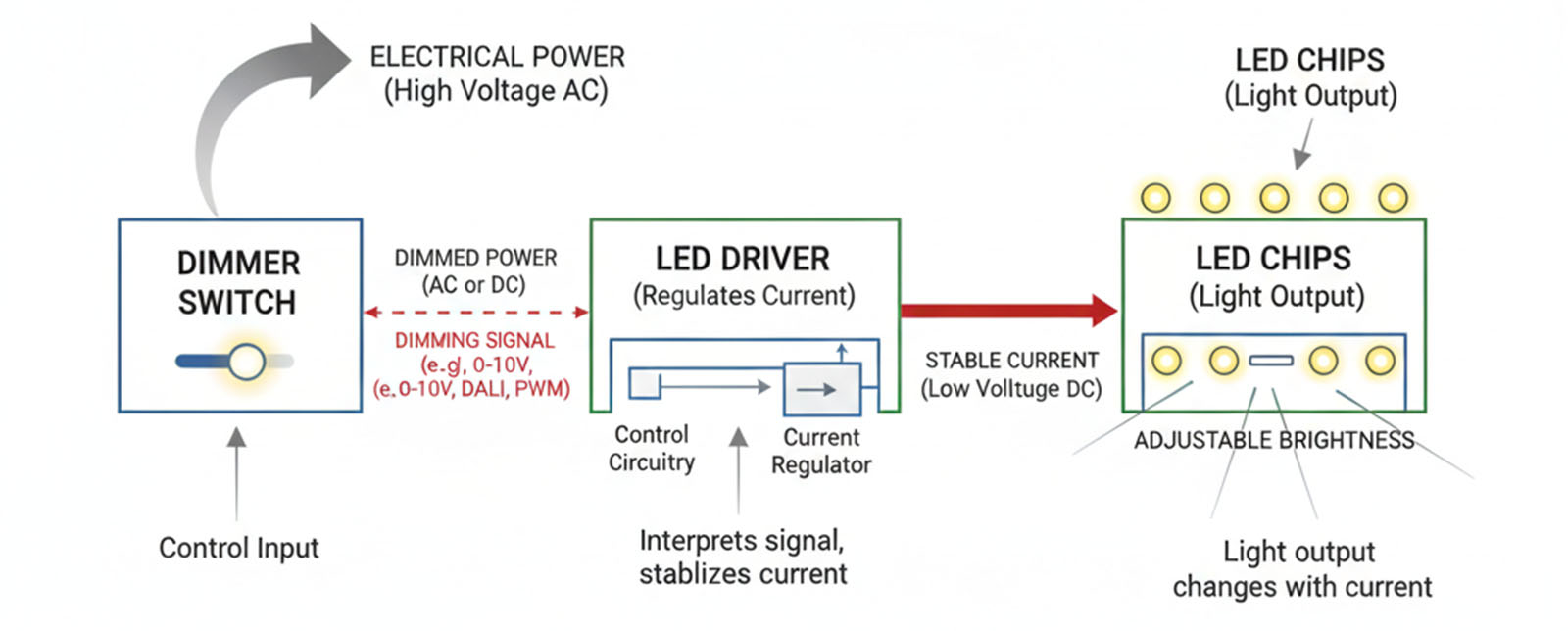
From my experience, this is where many people get confused, so let me break it down clearly. An LED dimmer switch does not dim the LED chips directly. Instead, it controls how much electrical power is delivered to the LED driver, and the driver then regulates the current going to the LEDs.
The dimmer communicates with the driver using a specific dimming method. This could be phase-cut (Triac), 0-10V, DALI, PWM, or a wireless digital signal. Each method works differently, but the goal is the same: tell the driver to reduce output in a controlled way. When the dimmer sends a lower signal, the driver responds by lowering the current supplied to the LEDs, which reduces brightness smoothly.
This is why driver quality matters so much. A well-designed LED driver interprets dimming signals accurately and maintains stable current flow. That’s how you get smooth dimming without flicker, buzzing, or sudden jumps in brightness. Poor drivers struggle to handle dimming signals and are the root cause of most dimming complaints I hear from installers and end users.
When the dimmer, driver, and control method are properly matched, LED dimmer switches deliver precise, quiet, and reliable brightness control. When they’re not, problems show up immediately. In my view, successful LED dimming is less about the switch itself and more about the entire system working together.
Why Is LED Dimming Important?
From my experience, LED dimming is not a luxury feature—it’s a core part of good lighting design. When lighting can’t adapt, it ends up being either too bright, too harsh, or simply wrong for the task at hand. Dimming gives you control, and control is what turns lighting from a fixed utility into a performance tool.
First, dimming allows lighting to match real-world use. A space is never used the same way all day. In offices, people need brighter light for focused work and softer light for meetings or screen-based tasks. In schools, lighting needs change between lectures, group work, and presentations. With dimming, I can fine-tune light levels to support comfort, focus, and productivity instead of forcing people to adapt to static lighting.
Second, LED dimming has a direct impact on visual comfort. Over-lighting causes glare, eye strain, and fatigue—problems I see constantly in poorly designed spaces. By reducing brightness when full output isn’t needed, dimming creates a calmer visual environment. This is especially important in offices, healthcare facilities, classrooms, and control rooms where people spend long hours under artificial light.
From an energy standpoint, dimming is one of the fastest ways to cut operating costs. When you dim LEDs, you reduce power consumption immediately. Lower light levels mean lower wattage, reduced peak demand, and measurable savings on electricity bills. In large commercial or industrial projects, this adds up quickly. I’ve seen facilities cut lighting energy use dramatically simply by implementing smart dimming strategies.
Dimming also extends the lifespan of LED fixtures. LEDs generate heat, and heat is the enemy of electronic components. When lights run at full output all the time, drivers and LEDs experience higher thermal stress. By operating at reduced output whenever possible, dimming lowers internal temperatures and slows lumen degradation. That means fewer failures, fewer replacements, and lower maintenance costs over the life of the system.
Another benefit people often overlook is flexibility. With dimming, a single lighting installation can support multiple functions. The same space can be bright and energetic during peak hours, then relaxed and subdued later in the day. This adaptability is essential in modern buildings where spaces are constantly being repurposed.
In short, LED dimming improves comfort, saves energy, extends equipment life, and increases the overall value of a lighting system. In my view, if a lighting system doesn’t include dimming, it’s already outdated the day it’s installed.

FAQs About Dimming Controls
How Do I Know If My LED Is Dimmable?
From my experience, the safest way is to check the product specifications or the packaging. Dimmable LED bulbs and fixtures are always clearly labeled. If it doesn’t explicitly say “dimmable,” assume it is not. Using a non-dimmable LED with a dimmer often leads to flickering, buzzing, shortened lifespan, or complete failure. I’ve seen many problems caused simply by overlooking this detail.
Do All LED Dimmers Require a Neutral Wire?
No, not all LED dimmers require a neutral wire. Traditional dimmers often work without one. However, many modern smart dimmers and advanced control systems do require a neutral wire to power internal electronics and ensure stable operation. Before buying, I always recommend checking both the dimmer wiring requirements and what’s available in the wall box.
Why Do LED Lights Flicker When Dimmed?
Flickering is almost always a compatibility issue. In most cases, the LED driver and the dimmer are not designed to work together. It can also happen when the load is too small for the dimmer or when low-quality components are used. I’ve found that pairing a high-quality dimmer with a compatible LED driver solves flickering in the vast majority of cases.
What Kind of Light Bulbs and Fixtures Do My LED Dimmers Work With?
LED dimmers only work properly with dimmable LED bulbs or fixtures that are designed for the same dimming method. For example, a TRIAC dimmer must be matched with a TRIAC-compatible LED driver. The same rule applies to 0-10V, DALI, or PWM systems. Matching the dimmer type to the driver specification is critical for smooth performance.
Why Doesn’t My LED Bulb Dim Down as Much as I Expected?
This usually comes down to driver design. Some LED drivers only allow dimming down to 10% or 20% of full output. Lower-quality drivers often have limited dimming range to maintain stability. In my projects, I always specify high-quality drivers when deep dimming is required, such as in theaters, bedrooms, or hospitality spaces.
How Do I Know If I Can Use My Existing Dimmer Switch With LED Bulbs?
The best approach is to check the dimmer manufacturer’s compatibility list. Many traditional dimmers were designed for incandescent loads and don’t behave well with LEDs. Even if the lights turn on, performance may be unstable. When in doubt, replacing the dimmer with an LED-rated model is usually the most reliable solution.
Can I Use One LED Dimmer Switch With Multiple Bulbs?
Yes, you can control multiple bulbs with a single dimmer, as long as the total wattage stays within the dimmer’s rated minimum and maximum load. All connected bulbs must also be dimmable and compatible with the same dimming method. I always calculate total load carefully to avoid underloading or overloading the dimmer, which can cause erratic behavior.

Conclusions
Lighting dimming controls transform rigid lighting into adaptable, efficient systems. Whether using 0-10V, DALI, or wireless dimming, the right solution improves comfort, reduces energy costs, and extends system life. For any modern LED installation, dimming is no longer optional—it is essential.
If you need help selecting or customizing LED lighting with professional dimming controls, contact Logos Lighting today. Our team is ready to support your next project.
Featured Products

Request A Free Quote Now!
Send us a message if you have any questions or request a quote. We will get back to you ASAP!



Leave a Reply
Your email is safe with us.