
Bad lighting choices in food plants create contamination risks that trigger recalls and audit failures. Follow these HACCP-focused guidelines to protect your product and keep operations running smoothly.
Selecting the right lighting fixtures under HACCP means choosing LED Light options that resist shatter, clean easily, and avoid introducing physical, chemical, or biological hazards into food zones. Proper lighting supports hygiene, visibility, and audit readiness while cutting long-term maintenance issues common with older systems.
Keep reading to learn the practical steps that protect both compliance and productivity.
The Importance of HACCP in the Food Industry
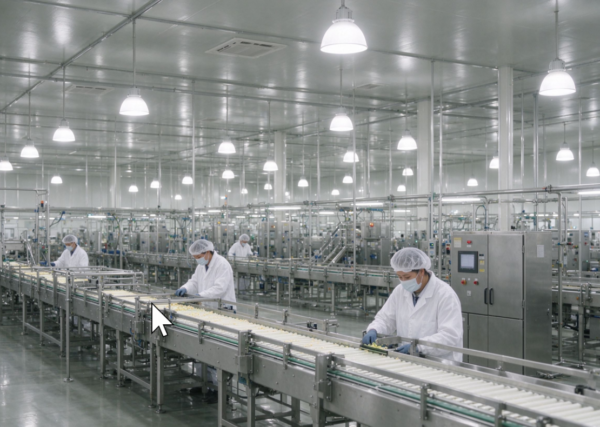
HACCP forms the foundation of modern food safety management. It shifts plants away from relying only on end-product testing and toward preventing hazards before they reach consumers. For lighting, this means identifying where fixtures could introduce risks and installing controls to manage those risks. I have watched plants improve both safety scores and daily efficiency once they applied HACCP thinking to their lighting layout. Clear, reliable illumination supports accurate visual inspection of product and equipment. It also reduces accidents that can compromise hygiene.
When lighting fixtures are selected and maintained under HACCP principles, they become part of the preventive system rather than a hidden liability. Buyers and auditors increasingly expect evidence that every supporting system, including lighting, has been risk-assessed. Plants that embed these practices early build stronger reputations with retailers and regulators. The result is smoother certifications, fewer disruptions, and greater confidence that the finished product meets safety standards every single day.
What are the HACCP lighting standards?
HACCP itself does not publish a single lighting product standard the way some certification bodies do. Instead it requires each facility to analyze hazards and set critical limits based on its own processes. In practice this means lighting fixtures must not become sources of physical contamination, must allow effective cleaning, and must support the visual tasks required for safe operations. Many plants align their specifications with complementary guidelines such as those from NSF or local food authority recommendations for equipment in food zones.
Common expectations include shatter-resistant lenses, smooth surfaces without dirt traps, and the ability to withstand approved sanitizers. Color temperature and color rendering also matter because accurate visual inspection of product quality and cleanliness depends on good light quality. LED Light technology meets these needs effectively when specified correctly. Documenting why a particular fixture was chosen and how it will be maintained becomes part of the HACCP plan. This documentation proves to auditors that the plant has properly considered lighting within its hazard analysis.
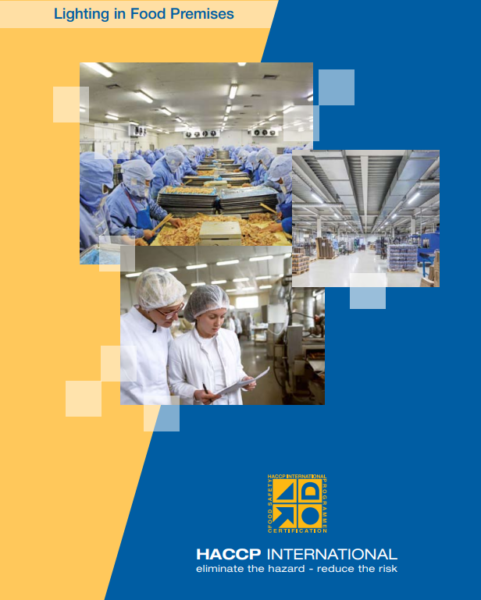
Click to obtain HACCP food lighting document reference
Why Do Food Processing Plants Need HACCP Assessments for Their Lighting?
In my work with food processing clients, lighting is one of the most commonly overlooked risk areas until an auditor points it out. HACCP requires every element that can affect food safety to be evaluated, and lighting fixtures clearly fall into that category. A cracked lens can drop fragments into product. Dust and residue on fixtures can harbor bacteria. Excess heat from outdated lamps can encourage microbial growth in warm processing zones. When we assess lighting under HACCP, we examine location, materials, sealing, cleanability, and maintenance access. Plants that skip this step risk non-conformances that delay shipments or force costly corrective actions.
LED Light solutions designed for industrial food environments help close these gaps because they run cooler, last longer, and can be specified with polycarbonate lenses instead of glass. Regular assessment also forces teams to document cleaning schedules and replacement procedures, which strengthens the overall food safety system. Facilities that treat lighting as part of their hazard analysis experience fewer unexpected failures and cleaner audit outcomes.
How to Select Lighting Fixtures That Meet Food Plant Requirements
Selecting lighting fixtures for food environments begins with understanding the specific zone. Wet processing areas demand higher IP ratings and corrosion-resistant materials. Dry storage may allow different options, but cleanability still matters. I always recommend LED Light products with seamless housings, no exposed fasteners in the light-emitting area, and lenses that will not shatter into sharp pieces. Look for fixtures that withstand frequent washdowns without degrading. Mounting height, beam angle, and lumen output must deliver even illumination without creating shadows where debris can hide.
Energy efficiency also counts because lower heat output reduces the load on cooling systems and limits condensation risks. At Logos Lighting we focus on customizable high bay and vapor-tight options that use proven LED chips and drivers, giving plants both performance and the documentation they need for audits. Always request test reports for impact resistance, ingress protection, and material compatibility. The right choice reduces maintenance frequency and supports consistent compliance over the long term.
FAQs about HACCP
Can lighting fixtures be certified under the HACCP system?
HACCP is a facility management system, not a product certification. Lighting fixtures cannot be “HACCP certified.” What plants need is evidence that the chosen lighting fixtures support their hazard analysis. This includes material data, impact ratings, IP ratings, and cleaning compatibility. We supply the technical files that help clients show due diligence during audits.
Is the HACCP plan mandatory?
In many countries HACCP is mandatory for food processors, especially exporters and those supplying major retailers. Even where not legally required, customers and certification schemes often demand it. Treat lighting decisions as part of a formal hazard analysis from the start to avoid later delays and costly changes.
Proper lighting under HACCP protects product, people, and reputation. Choose fixtures that eliminate contamination risks, support thorough cleaning, and deliver reliable visibility. Document every decision and keep procedures current.
If you need help specifying LED Light solutions or lighting fixtures for your food processing facility, contact us at shelly@logosled.com. We are ready to support your next project.



Leave a reply