

Power outages, unstable grids, and emergency situations often leave people in the dark. The consequences include safety risks, interrupted operations, and panic. Rechargeable and battery backup lights solve this by providing instant, reliable illumination when power fails.
Rechargeable and battery backup lights work by storing electrical energy in built-in batteries and automatically switching to battery power when the main electricity supply is interrupted. These lights ensure continuous illumination during power outages, emergencies, or off-grid conditions. Using efficient LED light sources, intelligent controllers, and rechargeable batteries, they deliver safe, dependable lighting for homes, commercial buildings, industrial facilities, and outdoor environments without relying solely on the electrical grid.
To understand why these lights are so reliable, let’s look closely at how they function and where they are best used.
Table of Contents
How does a battery backup light work?
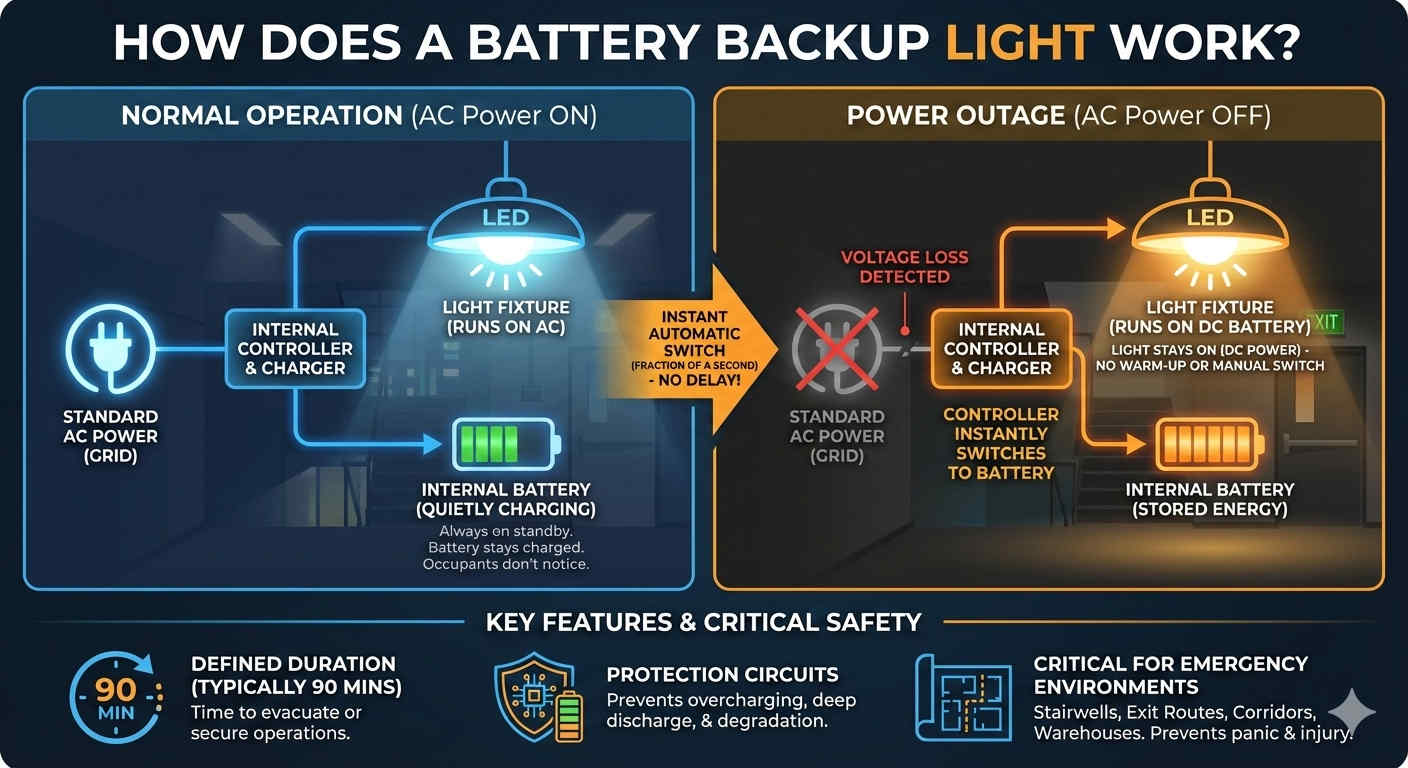
A battery backup light is built to do one job exceptionally well: stay on when everything else goes dark. I like to explain it as a two-mode system that’s always on standby. Under normal conditions, the fixture runs on standard AC power while quietly charging its internal battery in the background. You don’t notice anything happening—but that’s exactly the point.
The moment a power outage occurs, an internal controller instantly detects the voltage loss. In a fraction of a second, the system disconnects from the grid and switches to battery power. The stored energy in the battery is then converted to DC power and fed directly to the LED light source. There’s no warm-up time, no manual switch, and no visible delay. The light simply stays on.
This automatic transition is critical in emergency environments like stairwells, exit routes, corridors, warehouses, and industrial facilities. In these spaces, even a few seconds of darkness can lead to panic, injuries, or worse. From my experience supplying battery backup lighting to commercial and industrial clients, fast switching and reliability are the two things that matter most. If the light hesitates, it has already failed its purpose.
Most battery backup lights are designed to provide illumination for a defined duration—often 90 minutes—giving occupants enough time to evacuate safely or continue essential operations. High-quality systems also include protection circuits to prevent overcharging, deep discharge, and battery degradation, ensuring the unit is ready when it’s needed most.
When designed correctly, a battery backup light is something you never think about—until the power goes out. And in that moment, it becomes one of the most important safety systems in the building.
Key Components of Rechargeable and Battery Backup Lights
From my experience working with emergency and backup lighting systems, these products only perform well when every core component works together properly. A failure in one part usually means the entire system fails when it’s needed most. Below are the key components that determine reliability, runtime, and long-term performance.
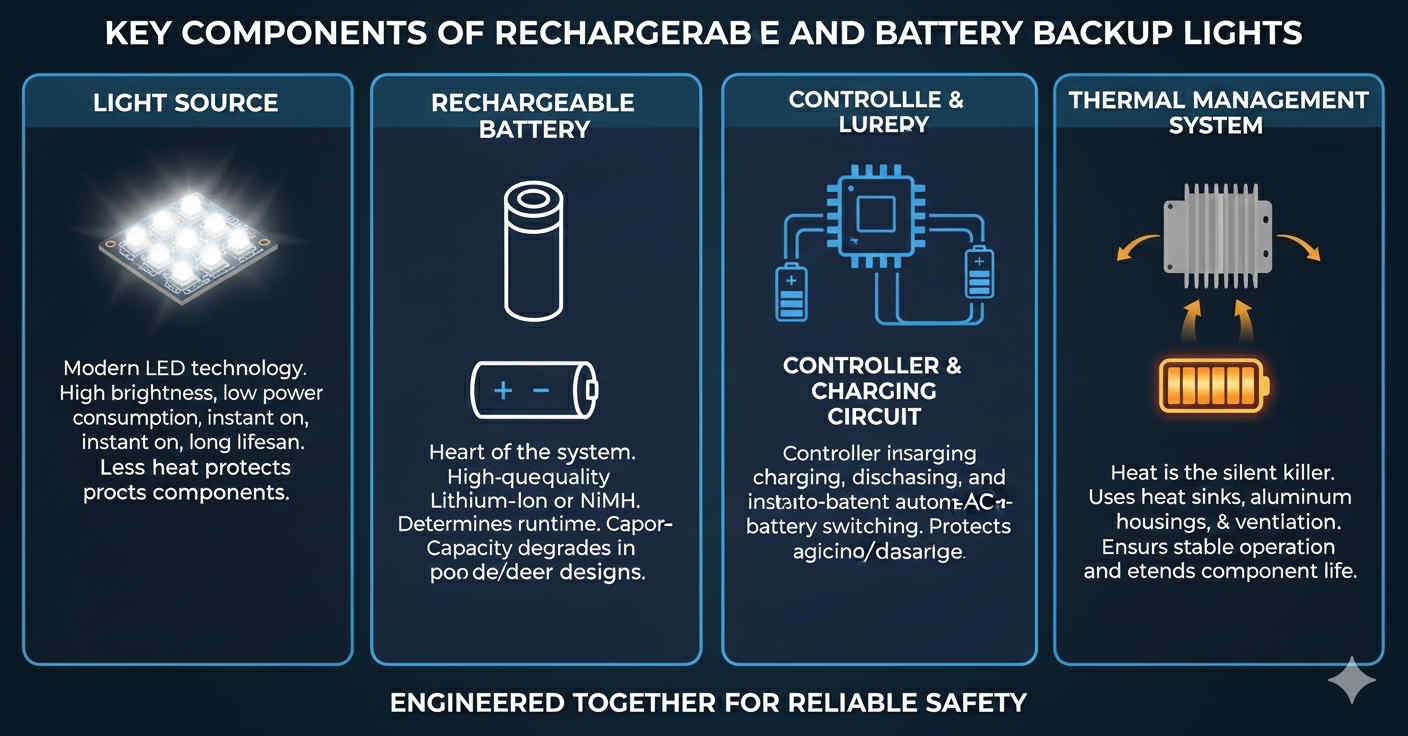
Light Source
Most modern rechargeable and battery backup lights rely on LED technology, and for good reason. LEDs deliver high brightness while consuming very little power, which is critical during an outage. The lower the power draw, the longer the battery can keep the light running.
Another major advantage is stability. LEDs turn on instantly, produce consistent light output, and don’t suffer from filament failure or warm-up delays. In emergency situations, instant illumination matters. LEDs also generate far less heat, which protects surrounding components and improves overall system lifespan.
Rechargeable Battery
The rechargeable battery is the heart of the entire system. Without a reliable battery, a backup light is just a normal fixture. Most systems use lithium-ion or nickel-metal hydride batteries, with lithium-based batteries becoming more common due to higher energy density and longer cycle life.
Battery capacity directly determines emergency runtime. A larger, higher-quality battery allows the light to operate longer during outages. From what I’ve seen, battery quality is one of the most common cost-cutting areas—and also the most common failure point. Poor batteries lose capacity quickly, especially in high-temperature or high-use environments.
Controller and Charging Circuit
The controller is the brain of a battery backup light. It manages how the battery charges, how it discharges, and how the system switches from AC power to battery power during an outage. This switching must be instant and automatic—no delay, no manual intervention.
A well-designed charging circuit protects the battery from overcharging, deep discharge, and voltage spikes. It also ensures the battery remains fully charged without degrading prematurely. This intelligent control is what allows rechargeable light bulbs and emergency fixtures to function reliably year after year.
Thermal Management System
Heat is the silent killer of both LEDs and batteries. If heat isn’t managed properly, battery capacity drops faster and LED output degrades over time. That’s why a proper thermal management system is essential, especially in industrial, commercial, or outdoor installations.
Good designs use aluminum housings, heat sinks, and ventilation paths to dissipate heat efficiently. In my experience, fixtures with poor thermal design may work fine at first—but they fail much earlier than expected. Effective heat control ensures stable operation, longer battery life, and consistent emergency performance.
When all these components are engineered correctly and work together, rechargeable and battery backup lights become extremely reliable safety systems. When any one of them is compromised, performance suffers—usually when it matters most.
Types of Rechargeable and Battery Backup Lights
From my experience working across commercial, industrial, and outdoor projects, there is no one-size-fits-all solution when it comes to rechargeable and battery backup lighting. Each application has its own safety requirements, operating conditions, and performance expectations. Choosing the right type makes the difference between reliable protection and a system that fails when it’s needed most.
LED Exit Lights
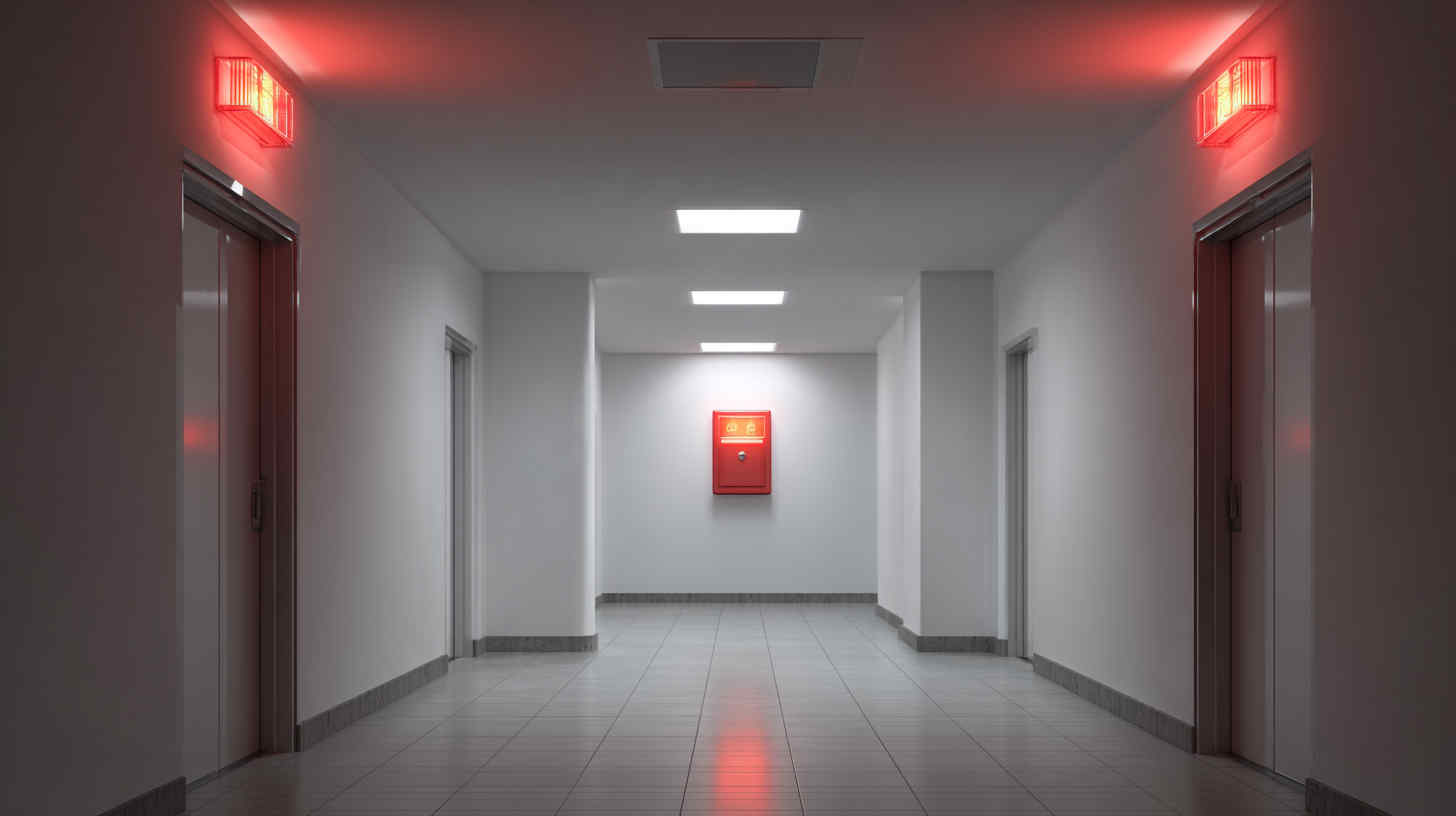
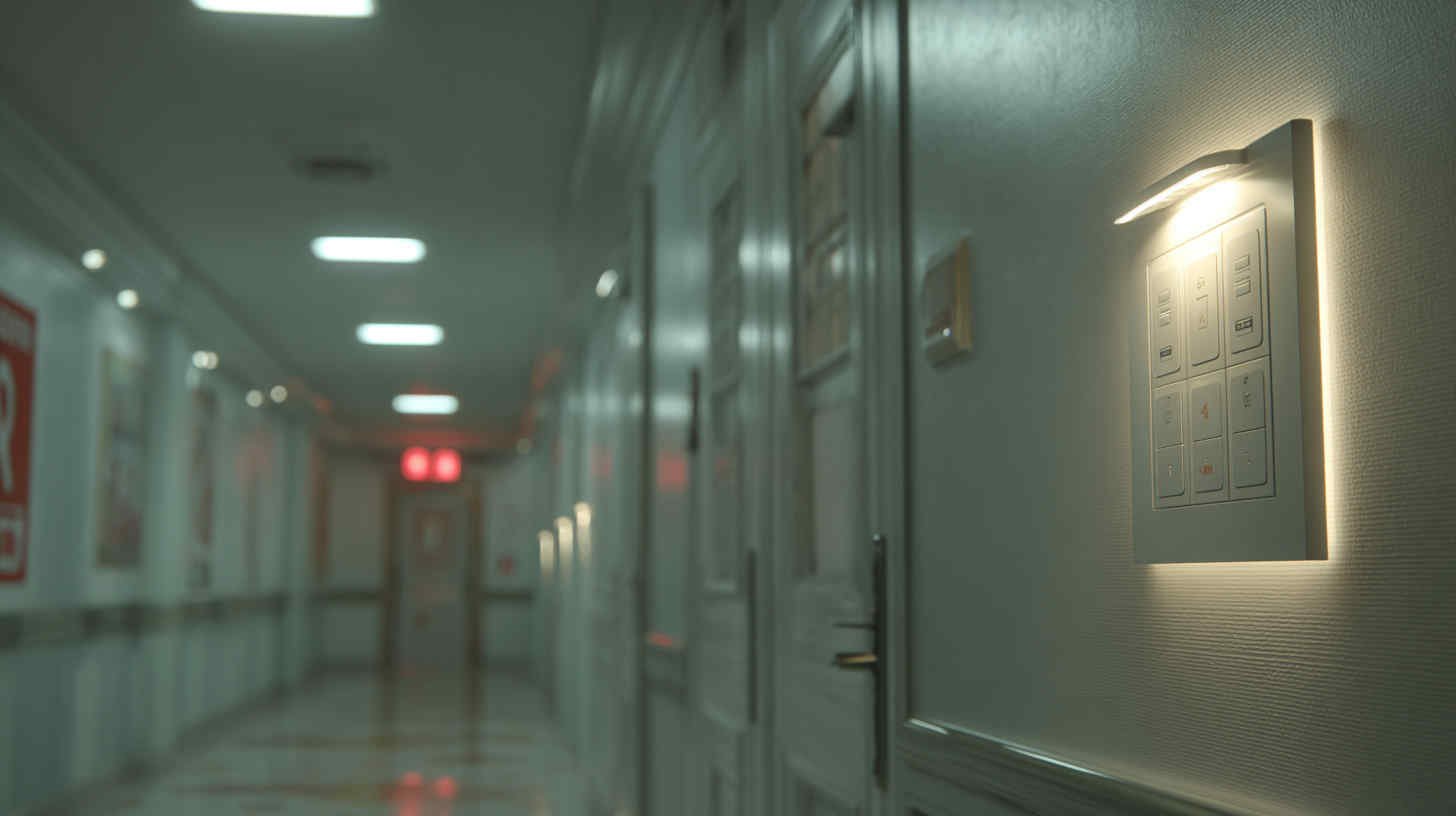
LED exit lights with battery backup are one of the most critical safety fixtures in any building. They are designed to remain illuminated during power outages, clearly marking exit routes so occupants can evacuate safely and quickly. In offices, schools, hospitals, shopping centers, and public buildings, these lights are not optional—they are required by code.
What makes LED exit lights so effective is their extremely low power consumption and long battery runtime. Even during extended outages, they can remain visible without draining the battery too quickly. In my experience, clients value LED exit lights because they combine compliance, reliability, and very low maintenance. Once installed correctly, they quietly do their job year after year.
Emergency LED Lights
Emergency LED lights are designed to provide general illumination when normal lighting fails. You’ll usually find them in stairwells, corridors, warehouses, factories, and industrial facilities where visibility is essential for safe movement and evacuation.
These fixtures typically include adjustable light heads, allowing light to be directed toward stairs, walkways, or work areas. Their wide beam angle helps eliminate dark spots, which is critical during emergencies when panic and confusion are common. From what I’ve seen, emergency LED lights are especially important in large facilities where a sudden blackout can create serious safety risks.

Solar LED Street Lights
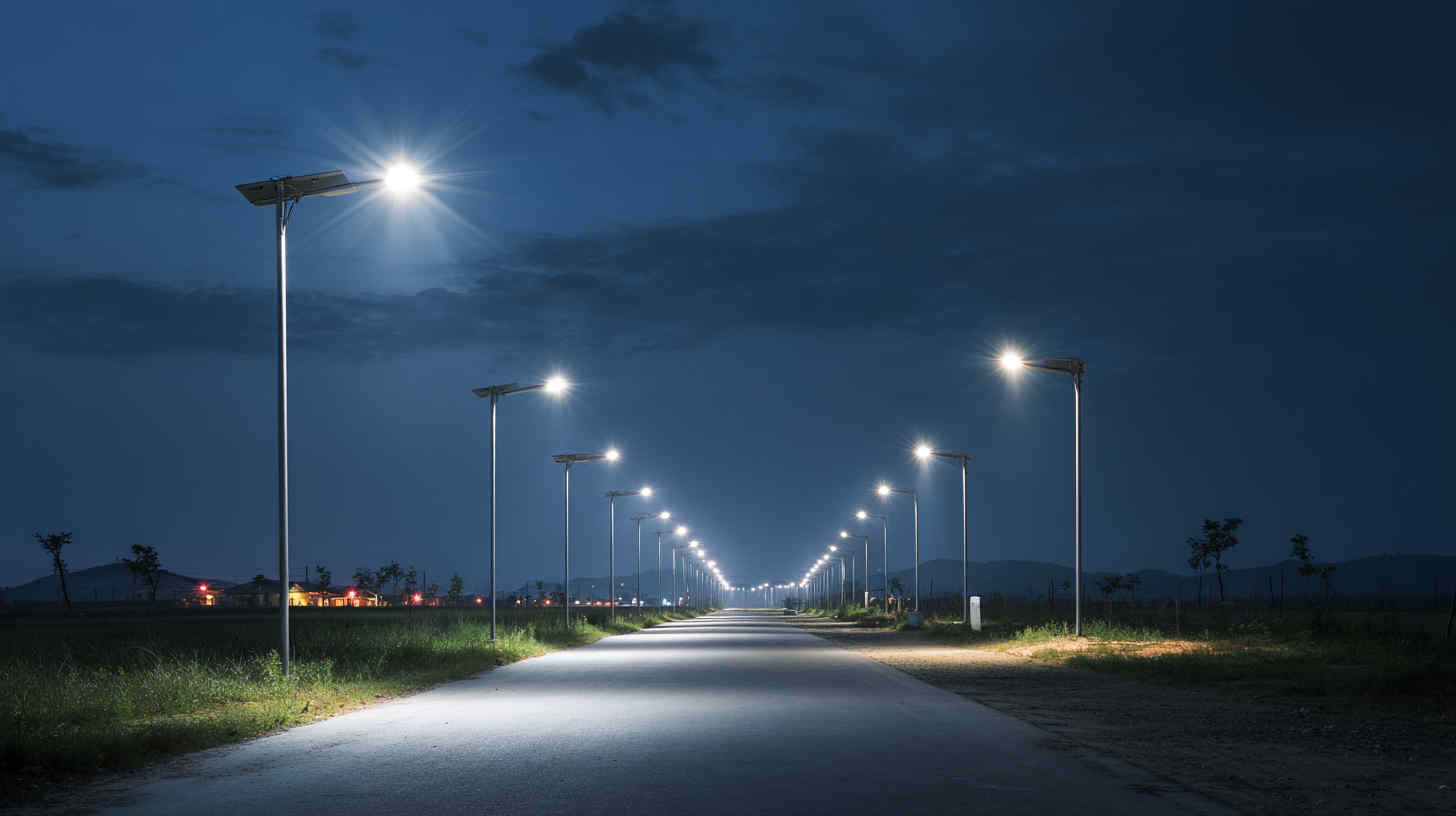
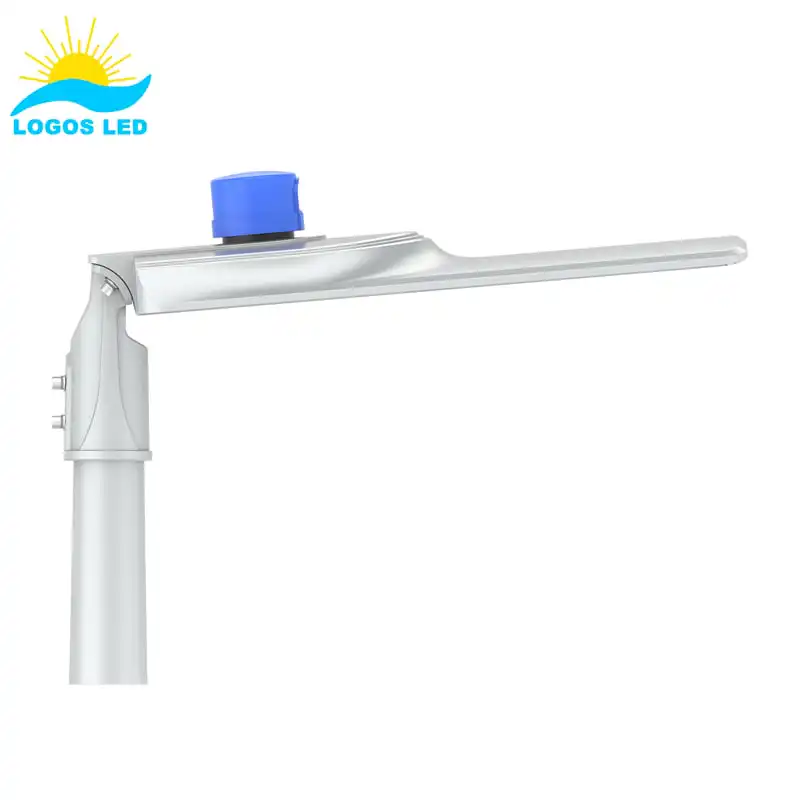
Solar LED street lights are a different category altogether. They combine LED lighting, rechargeable batteries, and solar panels into a self-sustaining system. During the day, the solar panel charges the battery. At night—or during grid power failures—the stored energy powers the light automatically.
These systems are extremely popular in off-grid locations, rural roads, campuses, industrial parks, and regions with unreliable electricity. I’ve worked with many clients who chose solar LED street lights not just for backup power, but for complete energy independence. When designed properly, they deliver consistent lighting with zero electricity bills and minimal maintenance.
Solar LED Floodlights
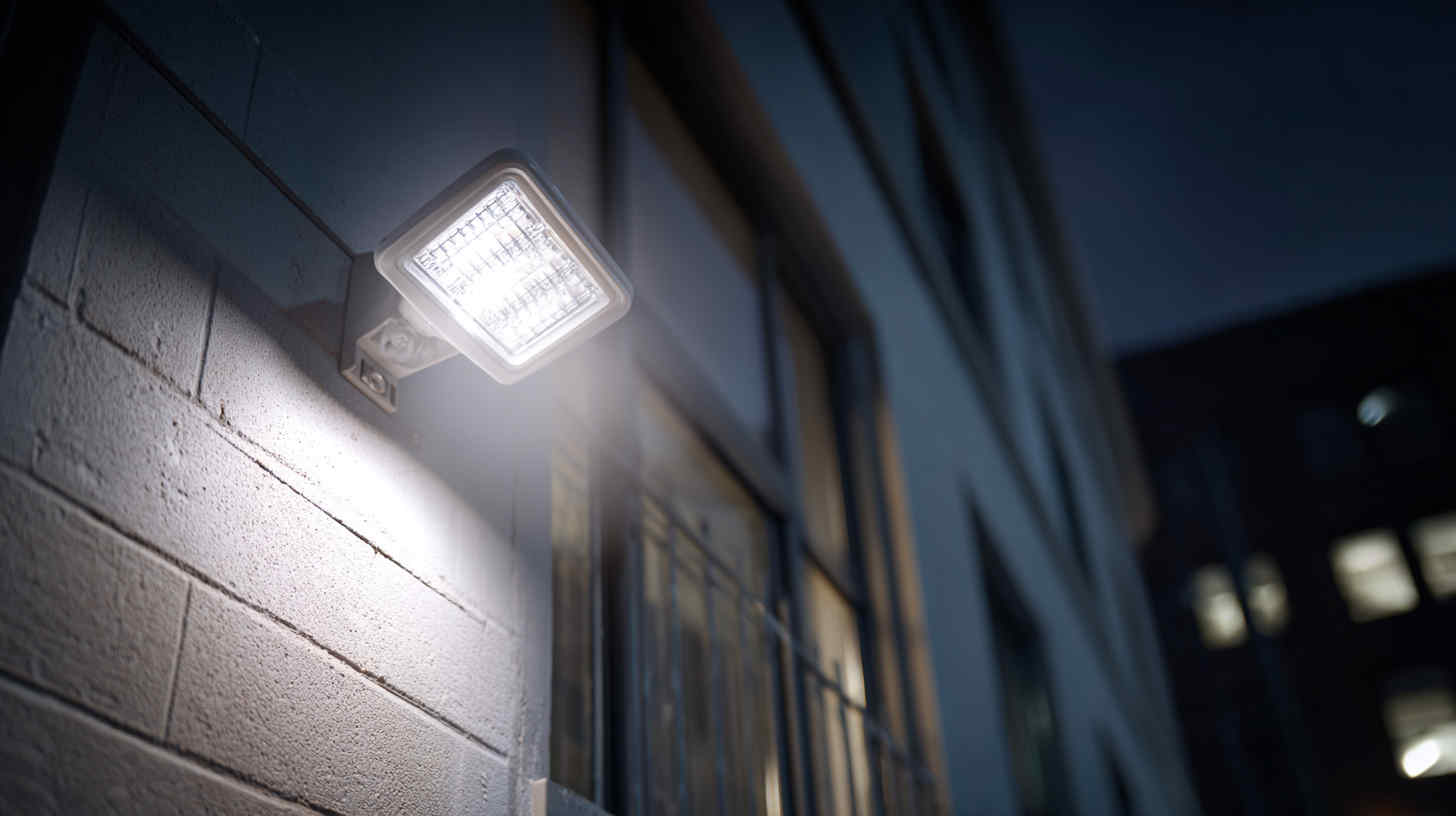
Solar LED floodlights use the same core principle as solar street lights but focus on wide-area illumination rather than roadway lighting. They are commonly used for yards, parking lots, construction sites, warehouses, and security applications.
From a practical standpoint, solar floodlights are ideal where running electrical wiring is expensive or impossible. Integrated motion sensors and programmable modes allow these lights to conserve battery power while still delivering strong illumination when movement is detected. In my experience, clients appreciate solar LED floodlights because they provide security, flexibility, and reliability without increasing energy costs.
Each of these rechargeable and battery backup lighting types serves a specific purpose. When selected and installed correctly, they form a complete safety and reliability solution that protects people, property, and operations—especially when the power goes out.

How long do rechargeable battery lights last?
From my experience, this is one of the most common questions buyers ask—and the honest answer is: it depends on how the light is designed and how it’s used.
In terms of runtime per charge, most standard rechargeable light bulbs and small battery backup lights last between 2 to 6 hours at full brightness. These are typically used for household emergencies, corridors, or short-term outages. When you move into larger emergency lights or industrial-grade battery backup fixtures, the runtime increases significantly. Well-designed systems can operate anywhere from 8 to 24 hours, especially when they use higher-capacity batteries and energy-efficient LED drivers.
Brightness level plays a huge role. Running a light at 100% output drains the battery much faster than operating in a reduced or emergency mode. Many professional emergency lights are intentionally designed to lower output during outages to extend runtime while still maintaining safe visibility.
Battery lifespan is a separate consideration. Most rechargeable batteries are rated by charge cycles rather than hours. High-quality lithium or nickel-based batteries typically last 3 to 5 years before you notice a meaningful drop in capacity. In real-world use, proper charging circuits, overcharge protection, and good thermal management can significantly extend this lifespan. Poor heat dissipation or cheap charging components will shorten battery life fast—I’ve seen this happen many times in low-cost products.
When clients ask me how long rechargeable light bulbs last on one charge, I always explain that battery size, LED efficiency, and operating mode matter far more than the label on the box. A well-designed rechargeable battery light doesn’t just last longer during an outage—it stays reliable year after year, which is what really matters when the power goes out.
Applications for Rechargeable and Battery Backup Lights
From what I’ve seen across different projects and industries, rechargeable and battery backup lights are not niche products—they’re essential tools that solve real-world reliability problems.
In residential settings, these lights provide peace of mind. When power goes out during storms, grid failures, or maintenance work, battery backup lights ensure families are not left in darkness. They are commonly used in stairways, hallways, bedrooms, and garages, where immediate illumination prevents accidents and panic. For many homeowners, rechargeable light bulbs are the simplest and most affordable backup solution.
In commercial buildings, battery backup lighting is about safety, compliance, and continuity. Offices, shopping centers, hotels, hospitals, and schools depend on emergency lighting to guide occupants during outages. Exit routes, corridors, and stairwells must remain illuminated to meet safety regulations. In these environments, battery backup lights are not optional—they are a legal and operational necessity.
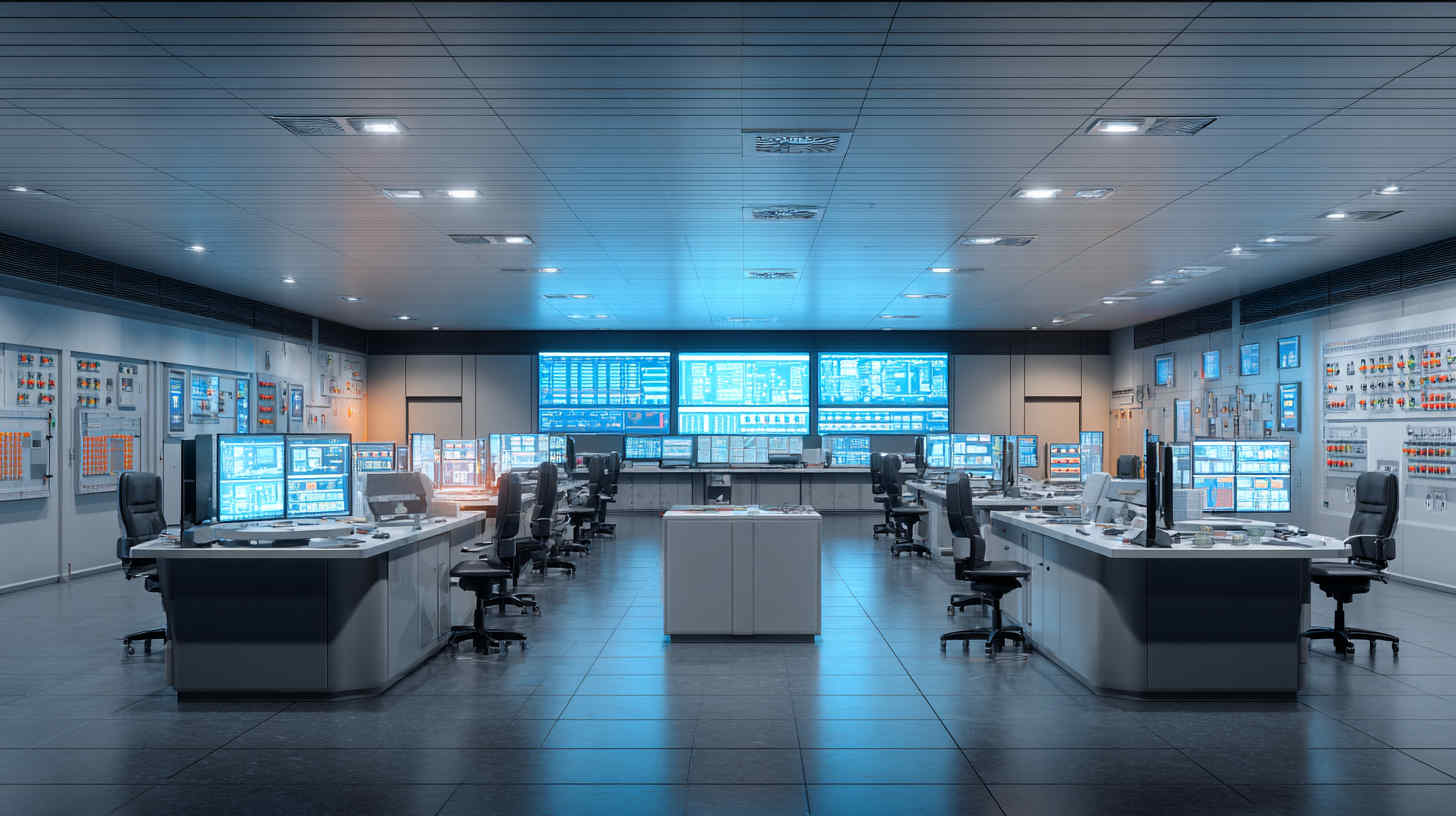
Industrial facilities rely even more heavily on battery backup lighting. Factories, warehouses, power plants, and data centers cannot afford sudden darkness. Battery backup lights help workers safely shut down equipment, move through facilities, and avoid injuries during unexpected power loss. In high-risk environments, a few seconds without light can lead to serious accidents, which is why reliability is everything.
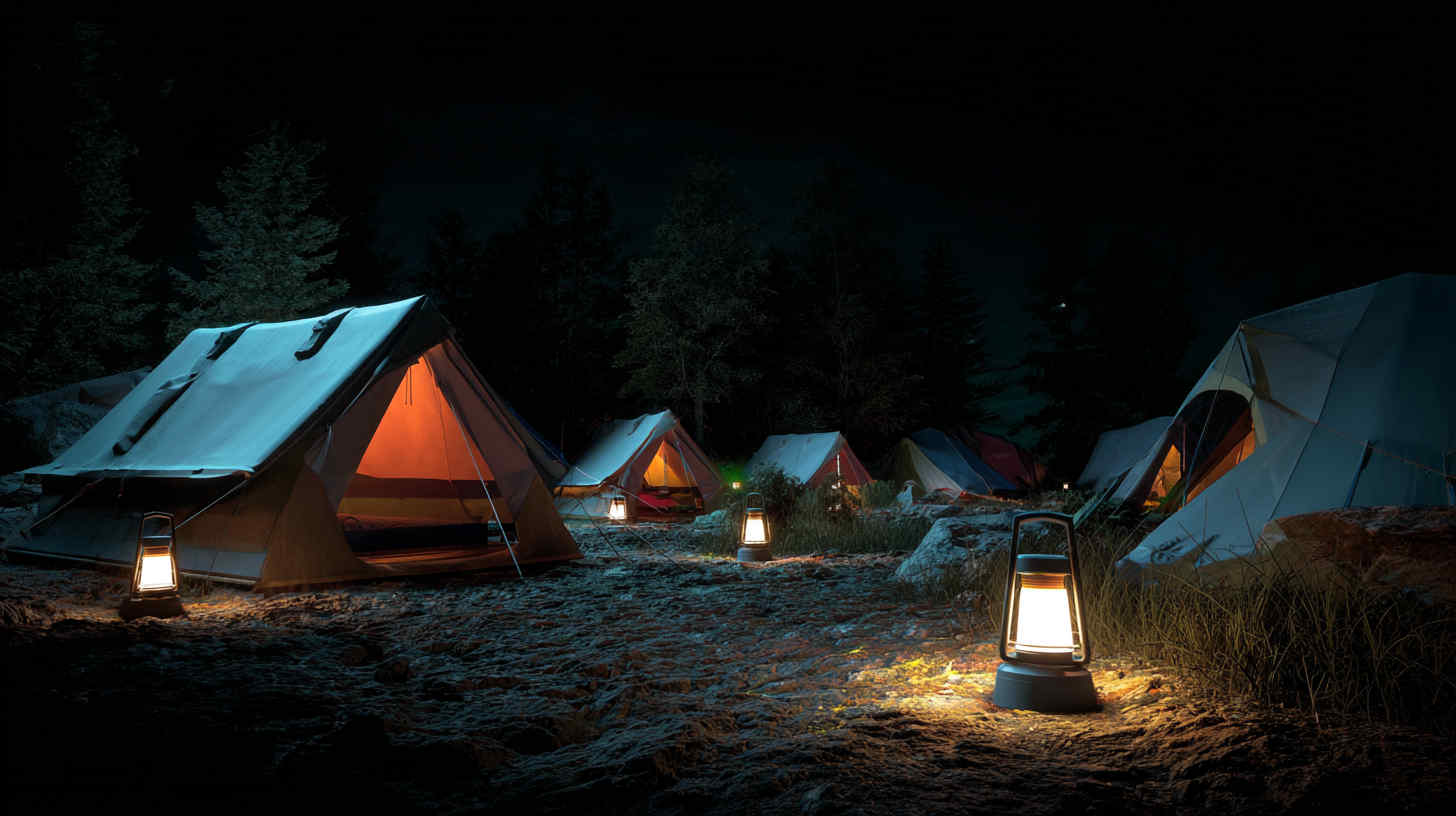
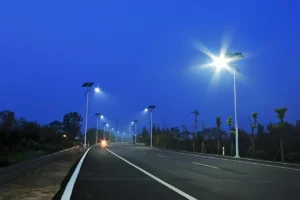
Outdoor applications are another major area. Rechargeable systems are widely used in street lighting, floodlighting, parking lots, and perimeter security. In remote or rural locations where grid access is unreliable or nonexistent, battery-powered and solar-charged lights provide dependable illumination. These solutions reduce infrastructure costs while maintaining safety and visibility.
In developing regions, battery light bulbs with no electricity are often the primary lighting source. Homes, clinics, schools, and small businesses depend on rechargeable lighting for daily life. These products improve quality of life, support education, and enhance safety where traditional power grids are unavailable or unstable.
Battery backup lights are also increasingly integrated into smart lighting and intrusion detection systems. When security depends on constant illumination and monitoring, lighting systems must continue operating during power disruptions. Backup lighting ensures cameras, sensors, and safety systems remain functional when they’re needed most.
From residential homes to large industrial sites, rechargeable and battery backup lights are no longer just emergency accessories. They are a core part of modern, resilient lighting infrastructure.
How to choose Rechargeable and Battery Backup Lights
When I help customers choose rechargeable or battery backup lights, I always start with one question: what problem are you trying to solve? The right choice depends heavily on application, environment, and reliability expectations.
First, look at the required backup duration. For emergency exits and stairwells, most regulations require a minimum of 90 minutes of operation. In industrial sites, outdoor areas, or remote locations, several hours of backup may be necessary. Always choose a system that exceeds the minimum requirement, not just meets it.
Second, pay close attention to battery type and capacity. From my experience as a manufacturer, lithium batteries consistently outperform older technologies. They offer higher energy density, longer lifespan, faster charging, and better performance over time. Battery capacity directly determines how long the light will run during an outage, so this is not an area to compromise.
Third, evaluate light output and beam angle. The brightness must be appropriate for the space. Exit signs need clear visibility, stairwells need uniform illumination, and outdoor areas require wide coverage. Oversized brightness wastes energy, while insufficient light creates safety risks. Matching lumen output to the application is critical.
Next, consider build quality and environmental protection. For indoor use, basic protection may be sufficient. For outdoor or industrial environments, look for solid housings, proper heat dissipation, and suitable IP ratings. A battery backup light is only useful if it works reliably when conditions are harsh.
Certifications and compliance should never be overlooked. Products should meet local safety codes, emergency lighting standards, and electrical certifications. These approvals are not just paperwork—they are proof the system has been tested for real-world safety.
Finally, look at warranty and long-term support. From my experience, quality components and transparent warranties always pay off. Cheap systems often fail early, leading to higher replacement costs and unhappy end users. Reliable rechargeable and battery backup lights are an investment in safety, not just a purchase.
When you choose based on application, battery quality, performance, and compliance, you end up with a lighting solution that works when it truly matters.
FAQs about Rechargeable and Battery Backup Lighting
Do rechargeable light bulbs work in any lamp?
In most cases, rechargeable light bulbs are designed to fit standard lamp holders such as E26, E27, or B22 bases, so they work in common household and commercial fixtures. That said, not every lamp is suitable. Enclosed fixtures with poor ventilation can trap heat, which shortens battery life. From my experience, it’s always smart to check the bulb’s specifications and recommended fixture types before installation.
Does a rechargeable bulb charge when the switch is off?
For most rechargeable bulbs, the wall switch must be turned on for the battery to charge because the bulb needs a live power supply. When the switch is off, no electricity reaches the charging circuit. Some advanced designs include special circuitry that allows limited charging even when the switch is off, but these are less common and usually more expensive.
How do you recharge the rechargeable light bulbs?
Rechargeable light bulbs recharge automatically when they are connected to a powered socket and the switch is on. There is no need for an external charger or manual intervention. The internal charging circuit manages the process, ensuring the battery is charged safely and efficiently without overcharging.
How long does a battery backup last when the power goes out?
Backup duration depends on battery capacity, LED wattage, and brightness level. Small rechargeable bulbs typically provide 2 to 6 hours of light. Larger emergency or industrial battery backup lights can run anywhere from 8 hours up to 24 hours or more. In my experience, choosing a system with extra capacity gives peace of mind during longer outages.
What are the disadvantages of battery-powered lights?
Battery-powered lights do have limitations. Runtime is finite, and batteries will eventually need replacement after several years. Initial costs may also be higher than standard lights. However, when I look at real-world use cases, these drawbacks are outweighed by the safety, reliability, and independence they provide during power failures.
Conclusions
Rechargeable and battery backup lights are essential for safety, reliability, and energy independence. By understanding how they work and choosing the right design, you can ensure uninterrupted lighting in any situation. If you have questions or need customized rechargeable or battery backup lighting solutions, contact us directly. We’re always ready to help you find the right lighting for your project.
Featured Products

Request A Free Quote Now!
Send us a message if you have any questions or request a quote. We will get back to you ASAP!



Leave a Reply
Your email is safe with us.