

Poor classroom lighting causes eye strain, low concentration, and tired students. Over time, this hurts learning outcomes and teacher efficiency. The right LED classroom lighting fixes these problems and creates a healthier learning environment.
The best LED lighting for schools and classrooms combines proper brightness, low glare, high color quality, and energy efficiency. Well-designed LED classroom lighting improves focus, reduces eye fatigue, supports student well-being, and lowers long-term operating costs. By selecting the right fixtures, color temperature, and lighting standards, schools can create safe, comfortable, and productive learning spaces for students and teachers alike.
If you want to make the right lighting decisions for classrooms and school buildings, let’s break it down step by step.
Table of Contents
Why Classroom Lighting Is Important?
Classroom lighting has a direct and measurable impact on how students learn, behave, and perform. From my experience working with schools, contractors, and lighting engineers, I’ve seen lighting treated as an afterthought far too often. That’s a mistake. Lighting is not just about visibility—it’s a core part of the learning environment.
Poor classroom lighting creates real problems. Students experience eye strain, headaches, and fatigue much faster. Glare on desks, whiteboards, or screens makes reading difficult. Dim or uneven lighting reduces concentration and increases restlessness, especially for younger students. Over time, this discomfort shows up as lower attention spans, reduced participation, and even behavioral issues. When students are physically uncomfortable, learning efficiency drops—every time.
Good classroom lighting does the opposite. It supports clear vision, balanced brightness, and low glare across the entire room. Students can read textbooks easily, see the board without squinting, and stay focused longer. A well-lit classroom also creates a calmer, more structured atmosphere, which helps students feel secure and ready to learn.
Teachers benefit just as much. Proper lighting reduces eye strain during long teaching hours, improves visibility when moving around the classroom, and makes it easier to manage both physical materials and digital displays. When teachers are less fatigued, instruction quality improves naturally.
Classroom lighting research consistently shows improvements in reading speed, comprehension, attention span, and overall engagement when lighting is designed correctly. In my view, lighting is not just an electrical decision—it’s an educational tool. When schools invest in proper classroom lighting, they’re not upgrading fixtures; they’re improving learning outcomes.
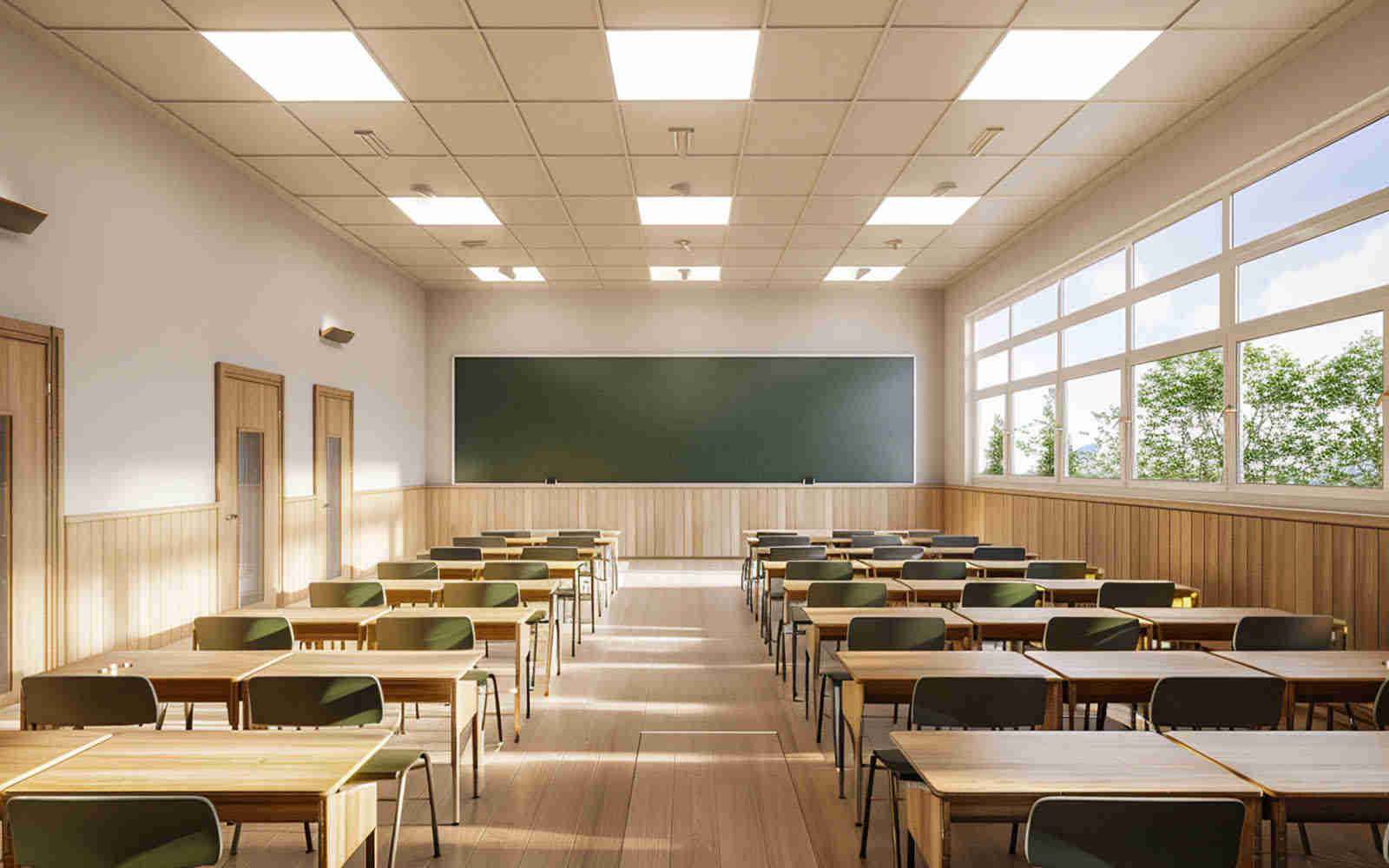
Requirements for Classroom Lighting
When I look at classroom lighting requirements, I always start with one simple question: can every student see clearly and comfortably for the entire school day? If the answer is no, the lighting has already failed its purpose.
First, illumination levels must be adequate for all learning activities. Students need enough light for reading textbooks, writing notes, viewing whiteboards, and using digital screens. The light should be evenly distributed across the classroom so no one is stuck in a dim corner or sitting under an uncomfortably bright fixture. Uneven lighting creates visual stress and distracts students without anyone realizing why.
Second, glare control is absolutely critical. Glare from poorly designed fixtures, shiny desks, or reflective boards causes eye strain and reduces visual clarity. I’ve seen classrooms where the lighting technically met brightness requirements but still made students squint because glare was ignored. Proper optics, diffusers, and fixture placement make a huge difference here.
Third, color quality matters more than most people think. High color rendering allows students to see colors accurately, which is essential for subjects like art, science experiments, geography, and technical drawing. Even in general learning, accurate color perception helps reduce visual fatigue and improves focus.
Energy efficiency is another major requirement. Schools run lighting for long hours every day, often across hundreds of classrooms. Using LED lights for classroom environments dramatically reduces electricity costs and cuts maintenance work. LEDs also provide consistent light output over time, unlike older technologies that dim and flicker as they age.
Finally, classroom lighting systems must be reliable, safe, and easy to maintain. Fixtures should comply with classroom lighting standards and local regulations, support long operating hours, and allow quick servicing when needed. In my experience, the best classroom lighting solutions are the ones that work quietly in the background—supporting learning every day without drawing attention to themselves.
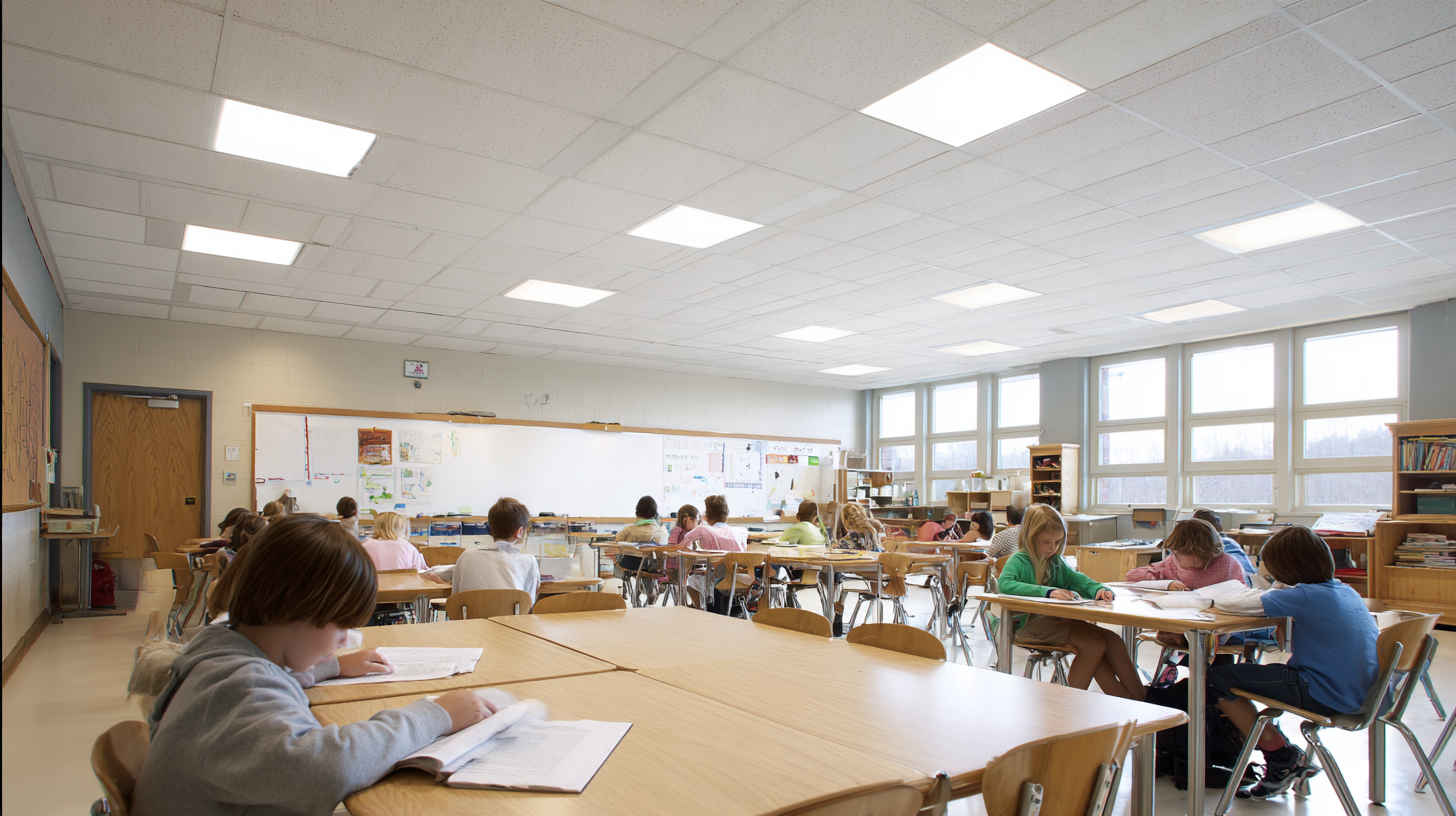
Key LED Lighting Features for Classrooms
From what I’ve seen in real classrooms, not all LED lights are created equal. Just because a fixture uses LEDs doesn’t mean it’s suitable for a learning environment. The best LED classroom lighting systems are designed with students’ comfort, health, and focus in mind.
First, high luminous efficiency is essential. Classrooms need enough brightness for reading, writing, and board work, but they also need to keep energy costs under control. Efficient LED fixtures deliver strong illumination while using less power, which is especially important for schools operating lights all day, every day.
Flicker-free performance is non-negotiable. I’ve walked into classrooms where subtle flicker wasn’t visible at first glance, but students complained of headaches and tired eyes. Children are especially sensitive to flicker, even when adults barely notice it. High-quality LED drivers eliminate this issue and create a stable, comfortable visual environment.
Low glare design is another critical feature. Classroom lights should never feel harsh or blinding. Good optics and diffusers spread light evenly across desks and floors, reducing reflections on paper, screens, and whiteboards. When glare is controlled properly, students can concentrate longer without visual discomfort.
Dimmable capability adds real flexibility. Teachers don’t teach the same way all day long. Sometimes they need bright light for exams or writing, and other times softer light for presentations, discussions, or multimedia lessons. Dimmable LED classroom lighting gives teachers control without compromising visibility.
Long lifespan and consistent light output help schools avoid constant maintenance. LEDs that maintain their brightness over time reduce disruptions caused by failed fixtures or uneven lighting. This reliability matters in busy school environments where maintenance windows are limited.
Finally, color temperature and uniform light distribution tie everything together. A well-chosen color temperature supports alertness without feeling cold or clinical. Even, shadow-free lighting creates a calm and focused atmosphere, supporting cozy classroom lighting while still keeping students attentive and engaged.
When these features come together, LED lighting stops being just a utility and becomes a silent partner in better learning.
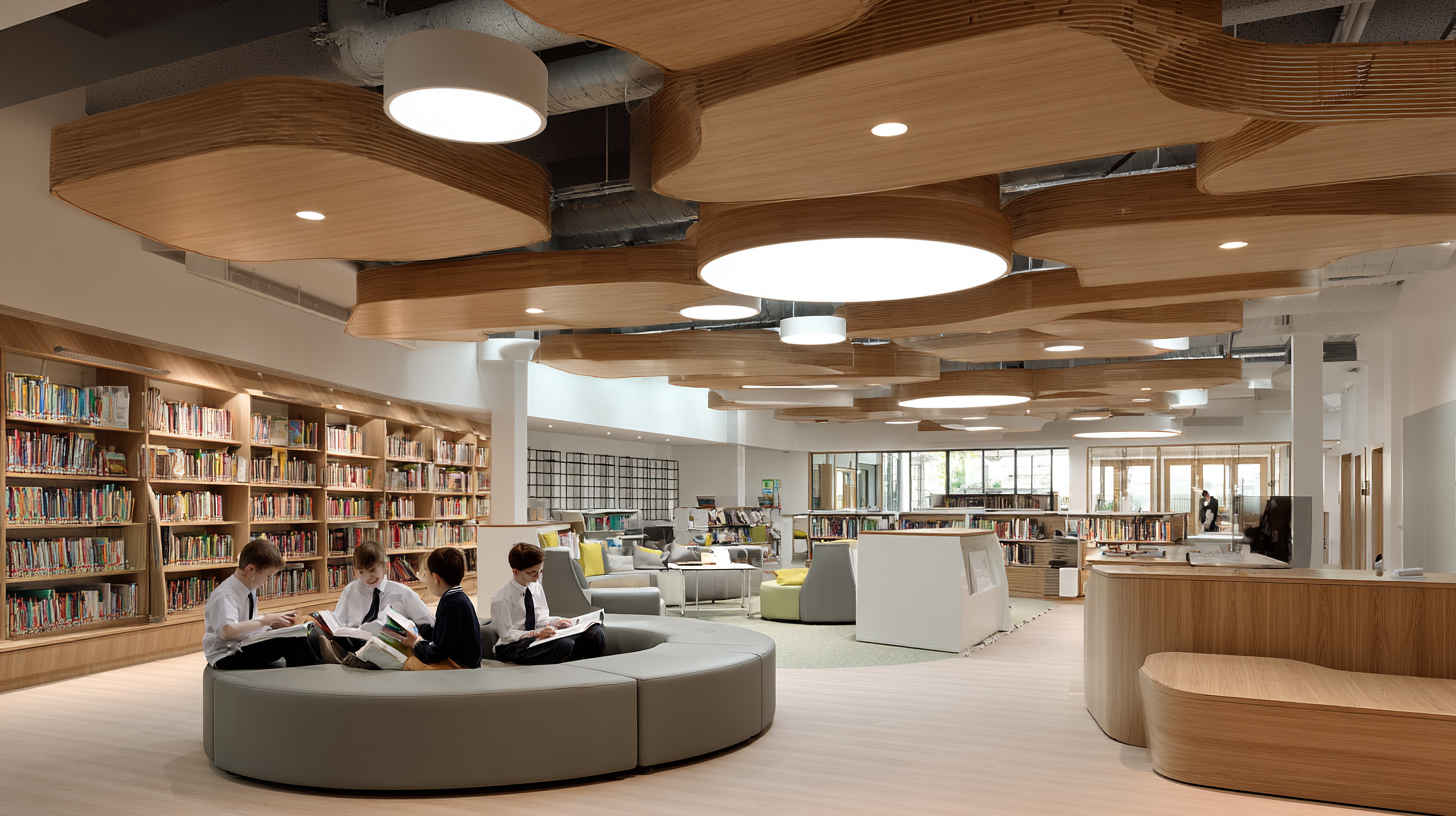
IES Standards for Classrooms and School Lighting
When I design classroom lighting, I always start with IES standards. They give clear, practical guidance that takes the guesswork out of creating a healthy learning environment. According to widely accepted IES recommendations, general classroom lighting should deliver around 300 to 500 lux on desk surfaces. This range supports reading, writing, and everyday classroom activities without causing eye strain.
But horizontal lighting is only part of the story. Vertical illumination is just as important, especially on whiteboards, chalkboards, and teaching walls. If the board isn’t evenly lit, students at the back of the room struggle, and teachers end up compensating by repeating themselves or adjusting posture all day. IES guidelines emphasize proper vertical lighting to keep text and visuals clear from every seat.
Uniformity is another area I pay close attention to. Uneven lighting creates bright spots and dark patches, which forces the eyes to constantly adapt. Over time, that leads to visual fatigue and reduced concentration. IES standards set uniformity targets to ensure light is spread evenly across the entire classroom, not just the center rows.
Glare control is also a big focus. Classrooms today use screens, tablets, and interactive boards, all of which can reflect poorly designed lighting. IES glare limits help protect students’ eyesight and reduce discomfort, especially during long lessons. In my experience, glare problems are one of the fastest ways to turn good lighting into bad lighting.
Color quality and visual comfort round out the standards. Good color rendering helps students see materials accurately, which matters more than people realize—especially in art, science, and technical subjects. Comfortable lighting also affects mood and behavior, something teachers notice immediately.
By following classroom lighting standards set by IES, schools don’t just meet regulations—they create spaces where students can focus, teachers can teach comfortably, and learning happens naturally. In modern educational environments, proper lighting design isn’t a luxury or an afterthought. It’s a fundamental part of doing education right.
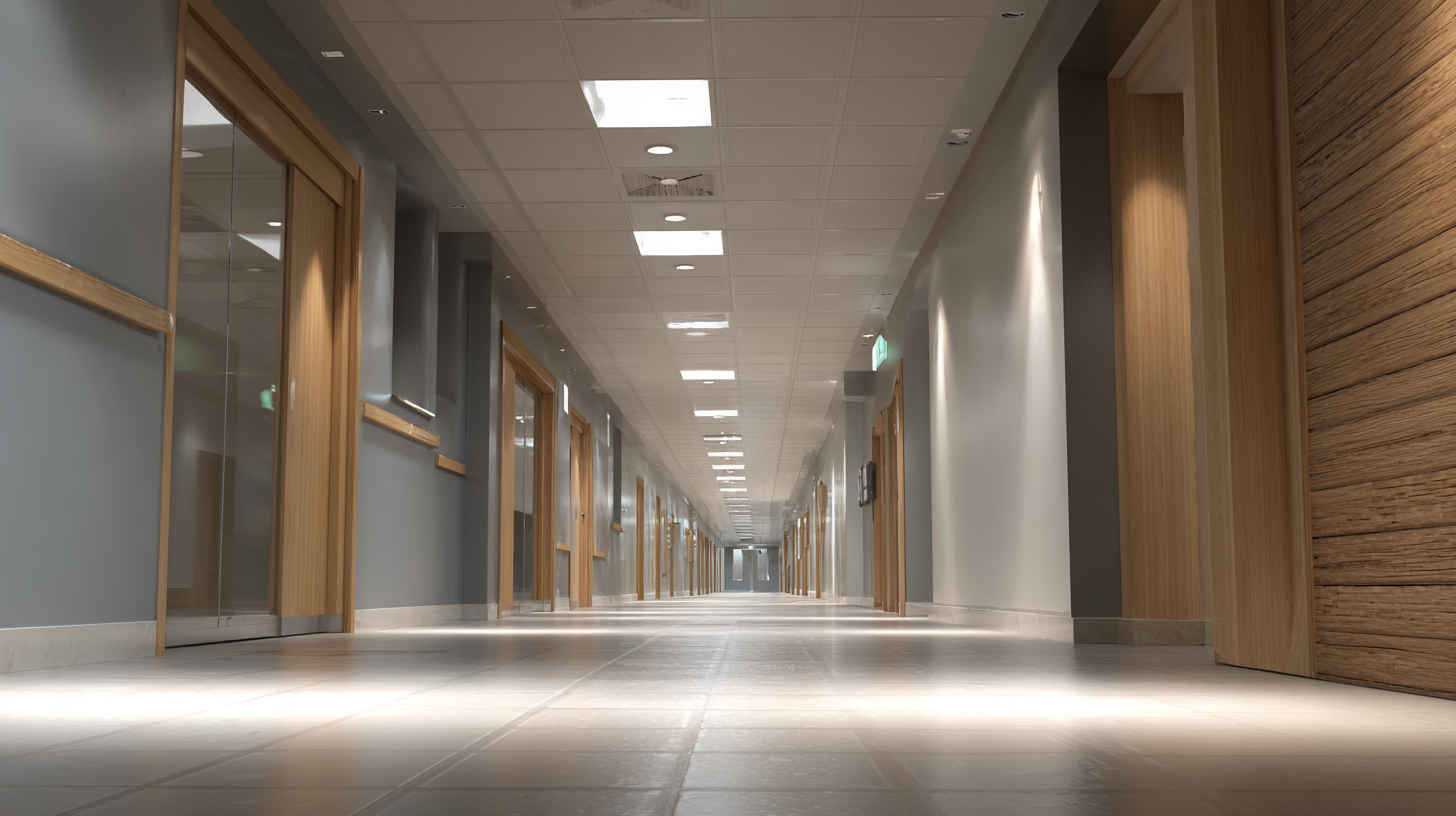
Types of Fixtures for Classroom and School Lighting
From my experience working on school lighting projects, one thing is always clear: there is no single fixture that works everywhere. Schools are made up of many different spaces, and each one has its own lighting needs. Choosing the right mix of LED fixtures is the key to creating a safe, comfortable, and effective learning environment from classrooms to outdoor areas.
LED Downlights
LED downlights are most commonly used in corridors, libraries, offices, and smaller support rooms. I like them because they provide focused, directional illumination and keep ceilings looking clean and uncluttered. In classrooms, downlights usually work best as supplementary lighting rather than the primary source. They can help fill in darker zones, improve vertical illumination on walls, or highlight specific areas without overpowering the space.
LED Panel Lights
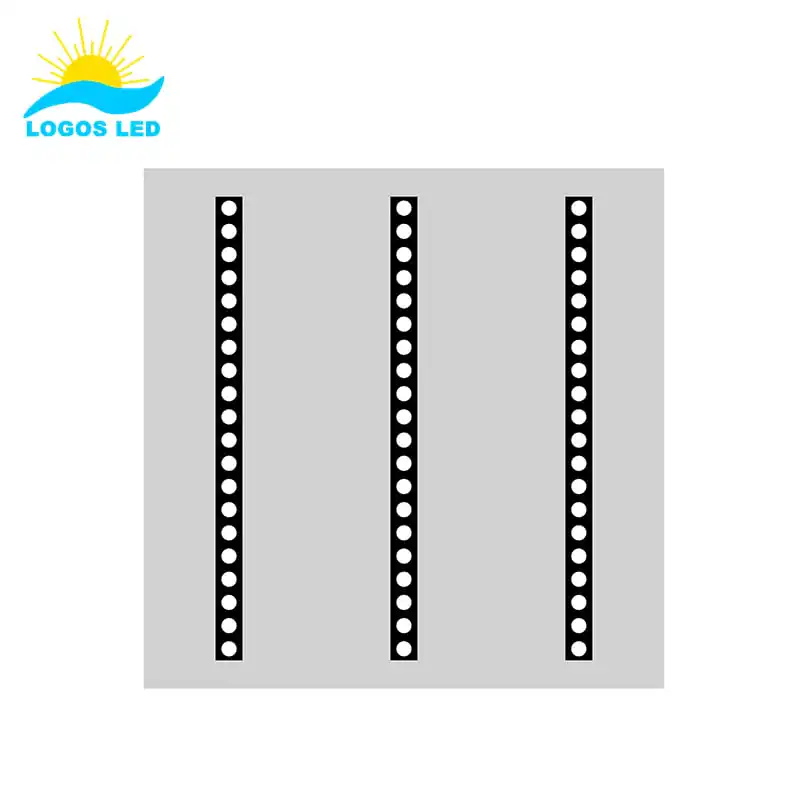
LED panel lights are the backbone of modern classroom lighting. In my projects, they are often the first fixture I specify for general classroom illumination. Panel lights deliver wide, even light distribution with low glare, which is exactly what students and teachers need for long hours of reading and writing. They fit perfectly into suspended ceilings and create a calm, balanced visual environment. For schools upgrading older fluorescent systems, LED panels are one of the easiest and most effective improvements.
LED Exit & Emergency Lights
Safety lighting is non-negotiable in any school. LED exit and emergency lights ensure that students and staff can evacuate safely during power failures or emergencies. These fixtures must remain operational at all times and meet strict safety codes. I always recommend LED emergency systems because they are reliable, energy-efficient, and require far less maintenance than older technologies. In schools, peace of mind matters just as much as performance.
LED Floodlights
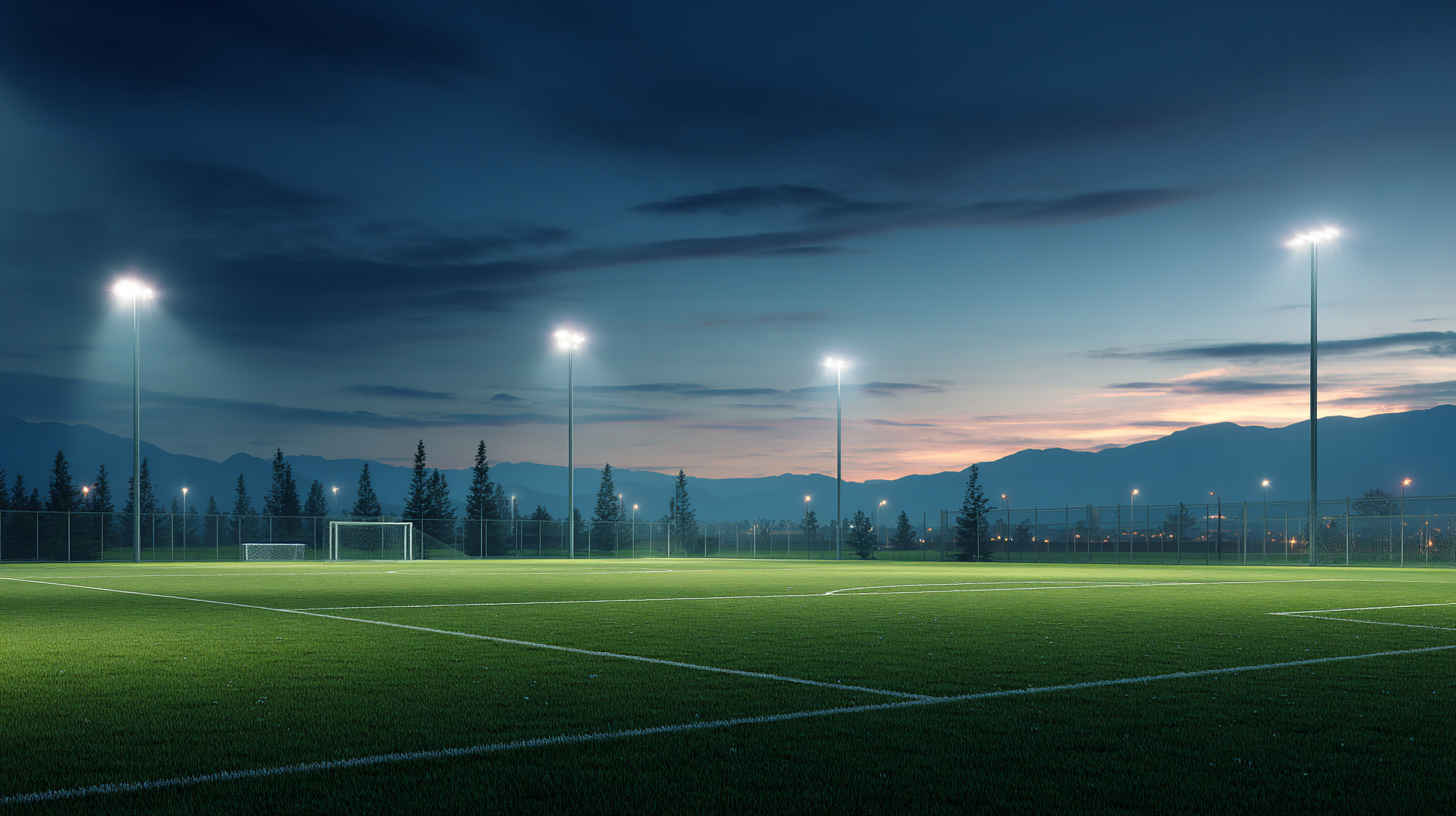
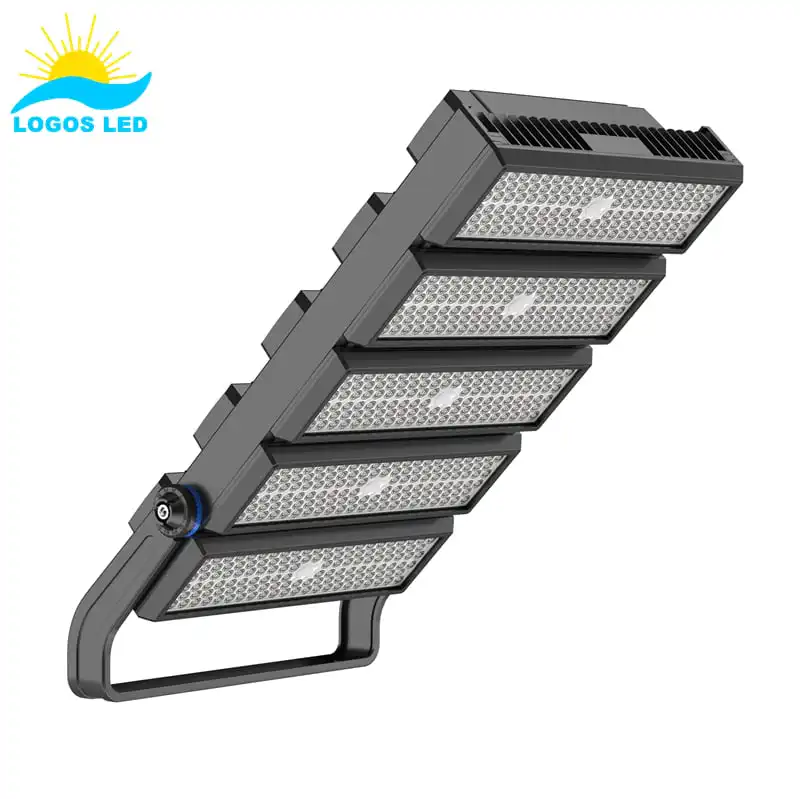
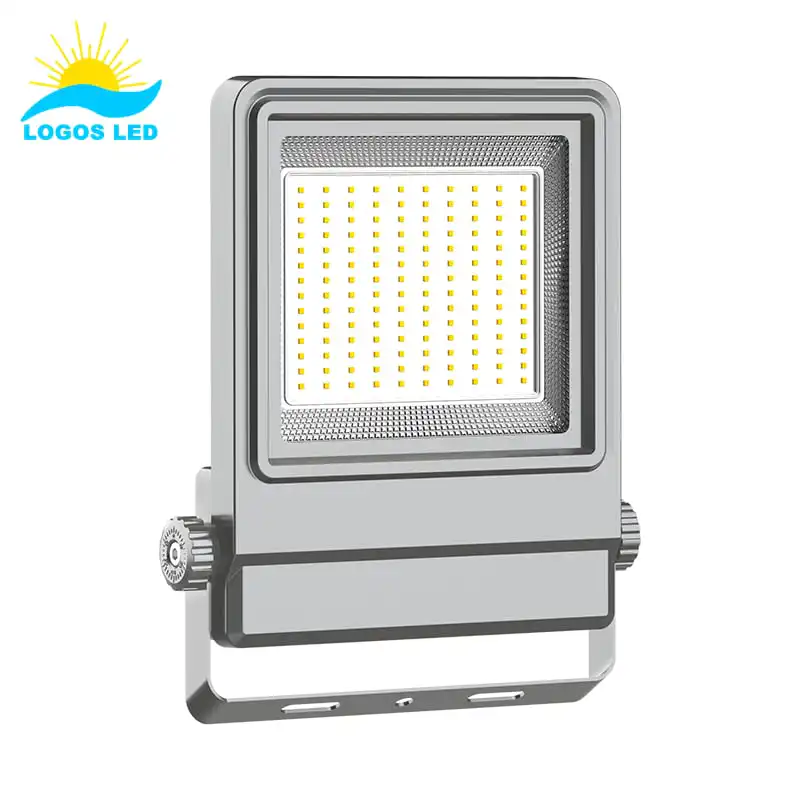
LED floodlights are essential for outdoor school areas such as sports fields, playgrounds, and building facades. These fixtures provide high-output illumination over large areas, supporting evening sports, events, and general security. Well-designed floodlighting improves visibility while minimizing glare and light spill, which is important for nearby neighborhoods. In my experience, upgrading to LED floodlights dramatically reduces energy costs while improving outdoor safety.
LED Area Lights
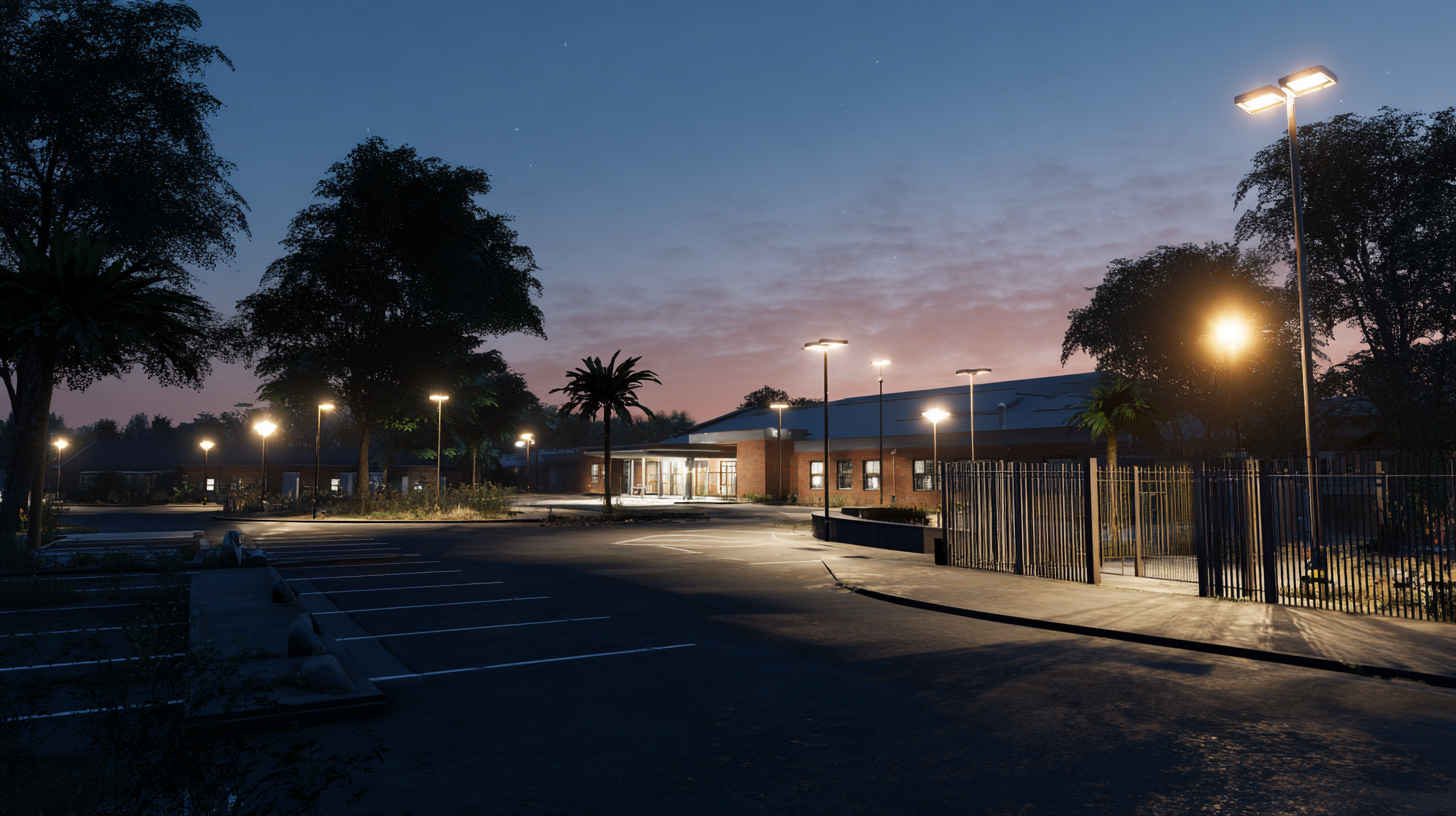
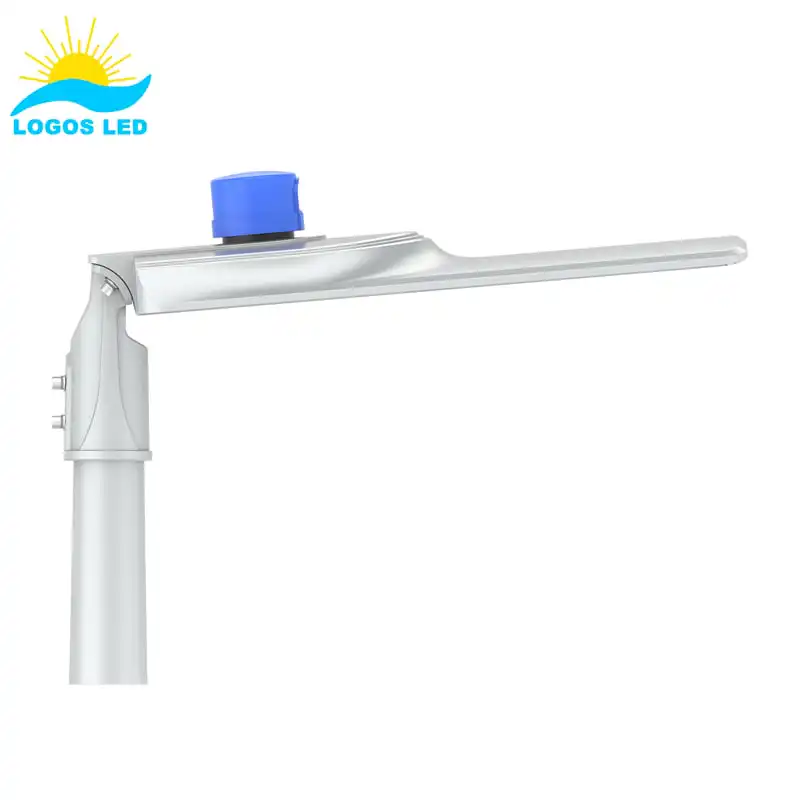
LED area lights are used for parking lots, walkways, drop-off zones, and school entrances. Good exterior lighting makes a huge difference in how safe a campus feels, especially during early mornings or late afternoons. Area lights provide broad, uniform coverage that helps students, parents, and staff move confidently around the school grounds. When paired with proper pole height and spacing, these fixtures enhance security without wasting light.
By matching the right fixture type to each space, schools can achieve consistent lighting quality, lower operating costs, and a better overall learning environment. In my view, successful school lighting design is all about balance—using the right tools in the right places to support education, safety, and comfort every single day.
Benefits of Proper LED Lighting for Schools
From what I’ve seen working with school administrators and facility managers, proper LED lighting is one of the smartest investments a school can make. The benefits go far beyond simple illumination. When classrooms are well lit, students can focus longer, read more comfortably, and stay engaged throughout the day. Good lighting reduces eye strain, headaches, and fatigue, which directly supports better learning outcomes—especially for younger students whose eyes are still developing.
Another major advantage is glare and flicker reduction. Poor-quality lighting can cause constant visual discomfort without anyone realizing the source of the problem. High-quality LED classroom lighting with flicker-free drivers and low-glare optics protects eyesight and creates a calmer, more comfortable environment for both students and teachers. I’ve seen teachers immediately notice the difference once old fluorescent fixtures are replaced.
Energy efficiency is also a huge win. Schools run lights for long hours every day, and switching to LED systems can cut electricity costs dramatically. These savings matter, especially for schools working within tight budgets. On top of that, LEDs last much longer than traditional lighting, which means fewer replacements, less maintenance labor, and fewer disruptions during class time.
Modern LED solutions also give schools flexibility. With dimming options, zoning, and smart controls, lighting can adapt to different teaching styles, presentations, group activities, or exams. This supports alternative classroom lighting concepts that simply aren’t possible with outdated systems.
Most importantly, proper LED lighting creates a positive learning atmosphere. When a classroom feels bright, comfortable, and balanced, students feel more at ease and teachers can do their jobs more effectively. In my view, good lighting isn’t just an upgrade—it’s a foundation for academic success and overall well-being in schools.
FAQs about Classroom and School Lighting
What is the best lighting for a school classroom?
From my experience, the best classroom lighting always starts with uniform, glare-free illumination. LED panel lights are usually the top choice because they spread light evenly across desks and learning areas without creating harsh shadows. When designed properly, classroom lighting should deliver around 300 to 500 lux on desk surfaces, ensuring students can read, write, and focus comfortably throughout the day. A balanced lighting layout is far more effective than relying on a few overly bright fixtures.
What LED light color is best for school work?
For most classrooms, neutral white light around 4000K works best. I’ve found this color temperature keeps students alert without feeling harsh or clinical. It supports concentration, reduces drowsiness, and still feels comfortable during long school hours. This balance is especially important in environments where students spend several hours reading, writing, and looking at screens.
Are LED lights good for classrooms?
Absolutely. LED lights are ideal for classrooms, and I recommend them in nearly every school project I work on. LEDs are energy efficient, long-lasting, and provide stable, flicker-free illumination. Unlike older fluorescent systems, quality LED classroom lighting reduces eye strain and requires far less maintenance. Over time, schools benefit from lower energy bills and fewer disruptions caused by lamp replacements.
Is 2700K or 3000K better for reading?
Both 2700K and 3000K are considered warm light, but in my opinion, 3000K is slightly better for reading tasks. It offers a bit more clarity while still maintaining a warm, comfortable atmosphere. That said, for most standard classrooms, I usually recommend moving up to neutral white (around 4000K) to support focus and visual clarity during lessons.
What is the recommended illumination for a classroom?
Most classroom lighting standards recommend between 300 and 500 lux on desks and work surfaces. Boards and teaching walls also need sufficient vertical illumination so text and visuals are easy to read from anywhere in the room. I always stress that uniformity matters just as much as brightness—uneven lighting causes eye fatigue even if average lux levels look fine on paper.
What is the most calming color for a classroom?
Slightly warm or neutral white lighting tends to create the most calming classroom environment. In my experience, lighting that is too warm can feel sleepy, while lighting that is too cool can feel stressful. A well-chosen neutral tone helps students feel relaxed but attentive, which is exactly what you want in a learning space.

Conclusions
Choosing the right LED lighting for schools and classrooms is about more than brightness. It’s about creating healthy, comfortable, and productive learning spaces. By following classroom lighting standards, selecting proper fixtures, and focusing on visual comfort, schools can dramatically improve learning outcomes while reducing operating costs.
If you’re planning a school lighting project or need customized LED classroom lighting solutions, contact us directly. We’re always ready to help you design the right lighting for your school.
Featured Products

Request A Free Quote Now!
Send us a message if you have any questions or request a quote. We will get back to you ASAP!


Leave a Reply
Your email is safe with us.